Selling Your Home As-Is in Greater Victoria: When It Makes Sense and What to Know

Andrew Holenchuk
Victoria Property Group · eXp Realty
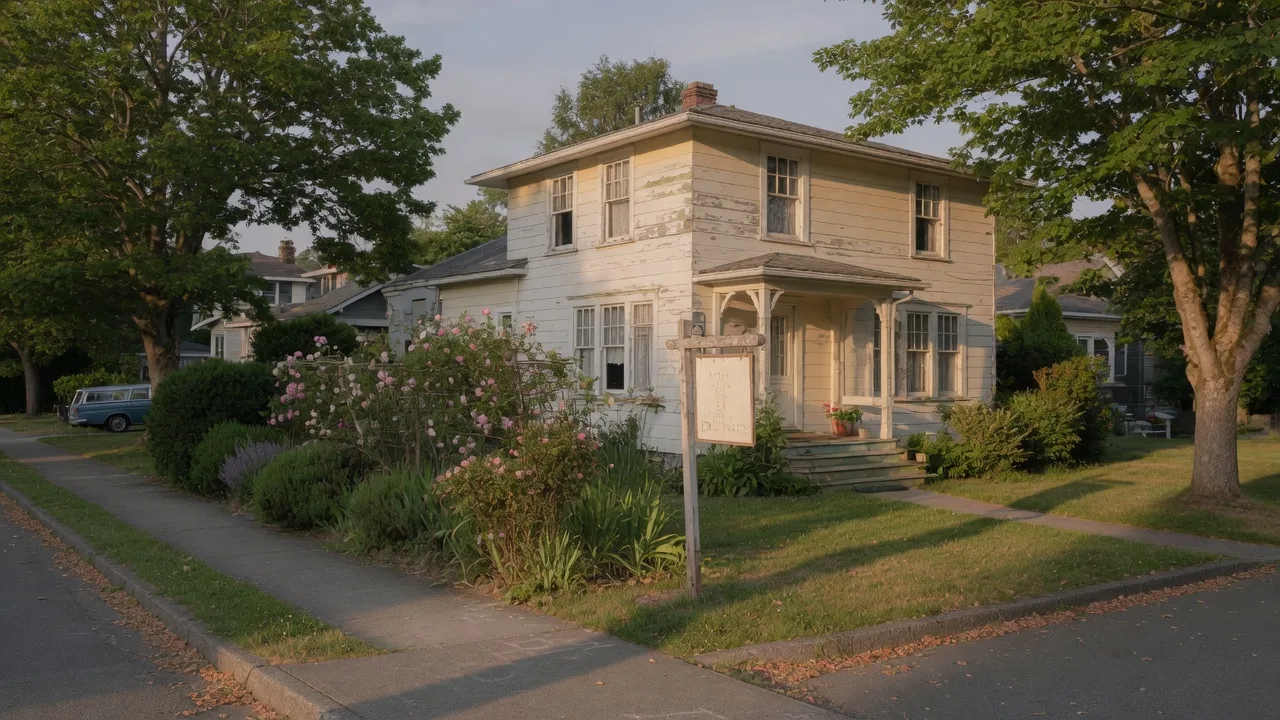
Selling a home "as-is" in Greater Victoria means offering it in its current physical condition, repairs and all, and pricing it accordingly. It is a common and perfectly respectable choice for downsizers, executors selling an estate, and families whose home has years of deferred maintenance and who simply do not want the renovation project. This guide explains what as-is really means in a BC contract, what stays on your side of the table regardless, and how to make an as-is sale work well in this market.
The most important thing to understand: as-is is not a disclaimer. It does not erase your disclosure duties, and it does not mean buyers skip their inspections. It is a strategy, and like every strategy, it works best when it is chosen knowingly, with the right pricing and the right buyers in mind.
What "as-is" actually means in a real estate contract
In a BC contract of purchase and sale, an as-is clause tells the buyer that the property is sold in its existing state, with all its current defects, visible or not, and the buyer agrees to accept that state rather than asking for repairs or allowances as a condition of purchase. In practice that also means the buyer is expected to rely on their own inspection, and the strongest as-is buyers arrive prepared, with their inspector, their budget for repairs, and their own plans.
Investors, renovators, and people looking for a project home are the natural buyers for as-is listings, so as-is pricing and marketing speak to that audience. Our article on evaluating investor offers on your family home is a close companion read, because several of those buyers will come through that channel too.
Your disclosure duties stay exactly the same
Here is the part that surprises many first-time as-is sellers: an as-is clause in the contract does not replace BC's property disclosure statement or the duty not to misrepresent the property. Known problems, material latent defects, and anything you are asked about, you disclose honestly. Sellers who hope an as-is sale lets them quietly hand over an oil tank, a failing roof, or unpermitted work are heading into trouble, not away from it. Our seller's guide to the BC property disclosure statement and the article on environmental and home-system disclosures cover what that means in practical terms.
Who typically sells as-is, and why
- Estate and probate sales. The executor lives elsewhere, the proceeds are for the beneficiaries, and no one in the family wants a renovation budget. Our guide to preparing an estate home for sale walks through the full sequence.
- Owners who have already relocated. Selling from another province and choosing the simple, transparent path over managing contractors from a distance.
- Long-term owners facing deferred maintenance. The home is decades old, the repairs are real, and the family would rather sell the condition honestly than chase a renovation that may not be done before the move.
- Health and mobility transitions. When a parent is moving to care or family, time and energy belong to the person, not the punch list. Our article on deferred maintenance before selling explains how to tell which repairs matter.
Notice what these have in common: the owner has a good reason not to take on renovation work. As-is is a choice about time, energy, and risk, made consciously. When it is forced by circumstance, it still works, but the planning looks a little different.
The pricing reality of an as-is home
An as-is home usually sells for less than the same home fully renovated, and pricing it that way is what makes the strategy work. Buyers price your deferred maintenance into their offer, because they are the ones taking on the work. Expect to compete with renovated and lightly updated homes in the same neighbourhood, and expect your buyers to be professionals who know very well what new roofs, furnaces, windows, and kitchens cost on the Peninsula, in Saanich, in Langford, or anywhere else in the Capital Regional District.
The honest conversation about as-is is less "will we lose money?" and more "what is the truthful range for this home right now, and which buyer group makes it work?" An experienced local REALTOR® can show you the comparable sales, the condition gap, and the buyer pool, so the decision is made on facts rather than hope.
Get a pre-listing inspection so you know what you're selling
A pre-listing home inspection is arguably more valuable on an as-is sale than any other kind, because your problem is not hidden defects, it is unknown defects. Knowing what the roof, furnace, electrical, and foundation actually look like lets you price properly, fill in the disclosure statement honestly, and pre-empt the familiar pattern where buyers over-discount an as-is home because they fear the unknown. Our guide to pre-listing inspections for Victoria sellers covers what to expect and how to use the report.
Five cheap ways to close the as-is gap
As-is does not mean "do nothing." The highest-return work on an as-is home is cheap, fast, and visible:
- Declutter and deep clean. Nothing changes buyer perception faster than a clear, clean space, and it costs little but time.
- Fix the small safety items. A loose stair railing, a dripping tap, a missing smoke detector. Buyers see safety more than style.
- Clear the yard. Even an unrenovated home photographs better with trimmed hedges and a clear walkway, and curb appeal pushes your photos well beyond the competition.
- Dispose of hazards and junk honestly. Old paint, chemicals and debris should leave the property before listing. Our hazardous materials clearing guide shows what to take where.
- Stage what you can. Even minor staging or simply photographing rooms smartly positions the home against renovated competition a little more fairly. It rarely costs a renovation budget, but it changes the offer.
As-is versus fixing up: how to choose honestly
The honest decision framework is simple to state and worth saying out loud. If you can spend modest upfront money on high-impact repairs and want maximum proceeds, fixing up wins. If your time, energy, or location makes renovation impractical, as-is with honest pricing wins, and in a competitive market, a well-priced, well-disclosed as-is home can still attract multiple offers. Our breakdown of pre-sale renovations that pay off helps you calculate which category you are in, and our guide on staging a downsizing seller's home bridges the two paths.
Frequently asked questions
Does as-is mean I don't have to disclose anything?
No. An as-is clause changes what the buyer accepts, not what you must truthfully disclose. Known defects and material latent defects still belong on the property disclosure statement, and misrepresentation is a problem an as-is clause does not fix. Confirm the wording of your contract with your lawyer.
Will an as-is home necessarily sell for less than a renovated one?
Usually less than the same home after renovation, because buyers price their repair budget into their offer. How much less depends on the specific condition gap in your neighbourhood. A pre-listing inspection and good comparable analysis give you the honest range instead of a guess.
Can an estate home sell as-is and still attract multiple offers?
Yes, and it happens regularly across Greater Victoria when the pricing is honest and the condition is documented. Well-disclosed properties with inspection reports attract confident offers from buyers who know what they are bidding on.
Should we fix anything at all, or nothing?
Fix the cheap, visible, safety-related items and leave the big projects alone. Deep cleaning, decluttering, and honest disclosure do more for net proceeds than a half-finished renovation ever will.
How is selling as-is different with a REALTOR® involved?
Mostly in the strategy around it: pricing to the condition, marketing to the right buyer pool, disclosure coaching, and buyer qualification. With an estate, the same disclosure and inspection discipline applies as any sale. That is the part I handle so families, executors, and downsizers do not have to navigate on their own.
Know what your home is worth before you decide.
Whether as-is, lightly refreshed, or fully staged, the right first step is an honest valuation and a walkthrough of what your home actually needs. I offer that to every downsizing and estate family in Greater Victoria, no strings attached, so you can choose with confidence.
Reach Out AnytimeThis article is general information, not legal or tax advice. Disclosure obligations, contract wording, and market conditions vary with your situation. Review the specifics of your contract and disclosure documents with a British Columbia real estate lawyer.