
Home Staging for Downsizing Sellers: How to Present Your Victoria Home for a Successful Sale

Andrew Holenchuk
Victoria Property Group · eXp Realty
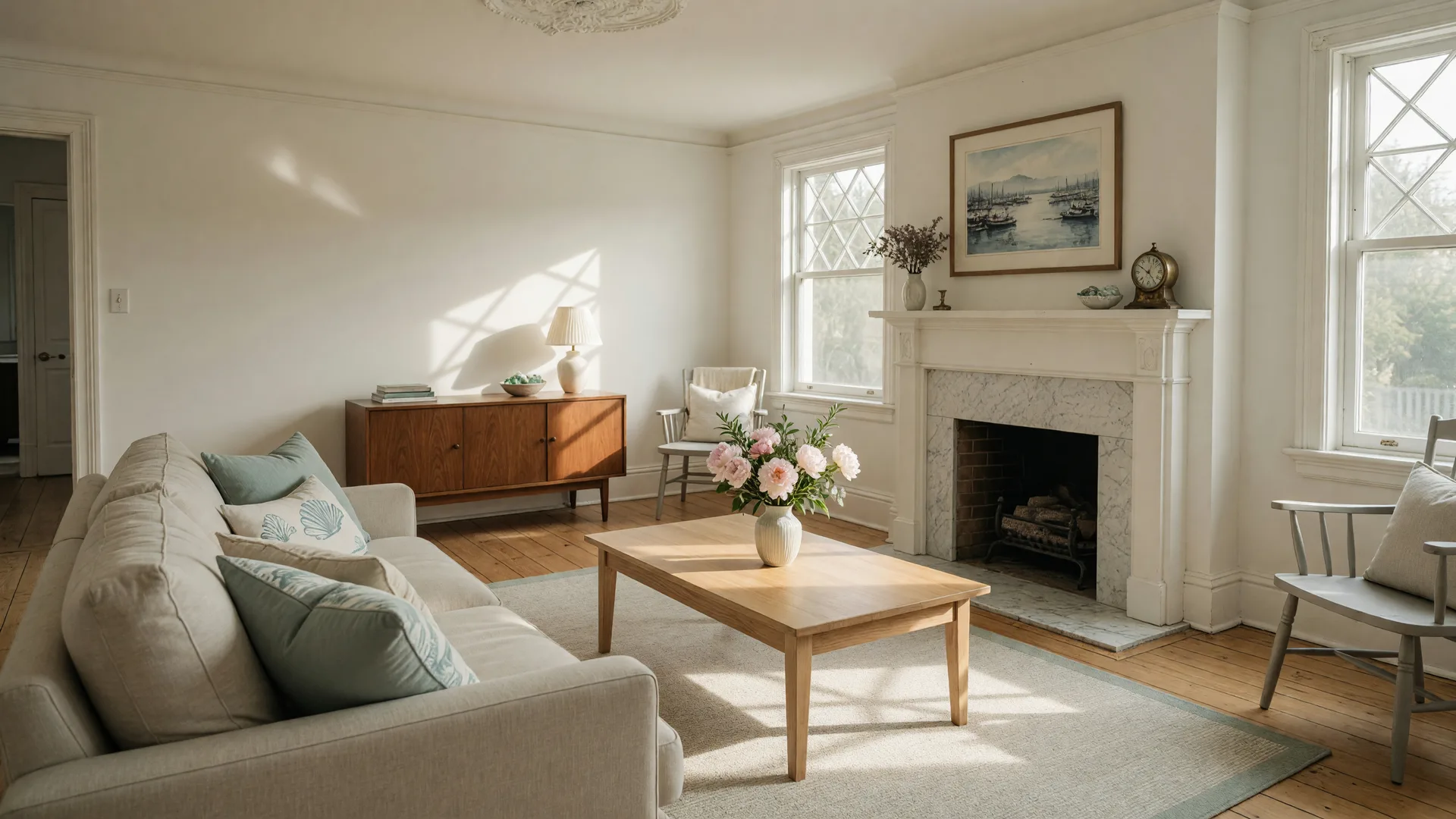
You have made the decision to downsize. The family home that once overflowed with birthday parties, holiday gatherings, and the comfortable clutter of daily life is about to find its next family. But here is the question that stops many sellers in their tracks: how do you present a home filled with decades of memories so that someone else can see themselves living there?
This is where home staging becomes one of the most powerful tools in your selling strategy. Staging is not about hiding who you are or erasing the warmth your home holds. It is about creating a clean, inviting canvas that allows potential buyers to imagine their own furniture, their own family, and their own future in your space. For downsizing sellers in Greater Victoria, staging takes on particular importance. You are selling a home that has often been lived in for 20, 30, or even 40 years, and the buyers you are attracting may be first-time homebuyers, growing families, or investors. Each of these buyers needs to see the home's potential, not just its history.
Why staging matters when you are downsizing
Many long-time homeowners wonder whether staging is worth the investment. The data suggests it clearly is. Professionally staged homes typically sell faster and for higher prices than unstaged homes. But the benefits go beyond the numbers:
- Staging helps buyers see past your belongings. When a home is filled with personal photos, collections, and furniture that reflects your specific taste, it can be difficult for buyers to imagine their own life there. Staging neutralizes the space.
- Staging highlights your home's best features. A skilled stager knows how to draw attention to beautiful hardwood floors, large windows, crown moulding, and other architectural details that might otherwise be lost amid furniture and clutter.
- Staging can minimize perceived flaws. A well-placed mirror can make a small room feel larger. Strategic furniture placement can improve traffic flow. Fresh neutral paint can make an older home feel updated without a full renovation.
- Staging sets the right tone for online photos. The vast majority of buyers begin their search online, and the first impression they get is from listing photos. A staged home photographs dramatically better than a lived-in one.
The unique challenge of staging a home you have lived in for decades
If you have lived in your Victoria home for 20 or 30 years, staging is not just about rearranging furniture. It is a process that intersects directly with the work of downsizing itself. You are not only preparing your home for sale. You are also preparing yourself and your belongings for a move to a smaller space. This dual purpose can actually work in your favour.
Every item you pack, donate, or sell for staging purposes is one less item you will need to deal with on moving day. The decluttering that staging requires is not an extra step. It is the first practical phase of your downsizing journey, and it pays off twice: once in a faster home sale, and again in a smoother move.
Step one: depersonalize before you declutter
Depersonalizing is the process of removing personal items so that buyers can imagine themselves in the space. This does not mean stripping your home of all warmth. It means packing away:
- Family photographs and framed portraits
- Personal collections (figurines, trophies, souvenirs)
- Children's artwork and school projects displayed on the refrigerator or walls
- Religious or political items
- Personal care items in bathrooms (toothbrushes, medications, toiletries)
- Magnet collections, notes, and schedules on the refrigerator
The goal is to create a space where a buyer can walk in and think, "I could see my family here," rather than "This is clearly someone else's home." A good rule of thumb: if it is deeply personal to you, pack it. You will need to pack it anyway before your move, so you are getting ahead of the game.
Step two: declutter strategically for staging
Once the personal items are packed, turn your attention to the broader clutter that accumulates in any home. In Greater Victoria's competitive market, buyers notice when countertops are clear, closets are organized, and floors are free of excess furniture. Here is what to focus on:
- Kitchen countertops: Clear everything except a few deliberate decorative elements like a fruit bowl or a coffee station. Pack small appliances, utensil holders, and pantry items that crowd the counters.
- Bookshelves: Remove at least half of your books and decorative objects. Group remaining items in odd numbers and leave breathing room between them.
- Closets and storage areas: Buyers open closet doors. Remove at least a third of what is inside to make closets look spacious and organized.
- Entryway and hallways: Remove shoe racks, coat hooks overloaded with jackets, and mail piles. Create a clean, welcoming first impression.
- Furniture: Remove oversized or excess pieces that make rooms feel cramped. Less furniture makes rooms appear larger.
Step three: hire a professional stager or do it yourself?
Many downsizing sellers wonder whether they should invest in a professional home stager. The answer depends on your budget, timeline, and the current market conditions. Here is how to think about it:
- Professional staging is often recommended for higher-value homes, vacant properties, or homes in competitive price brackets where presentation can make the difference between multiple offers and a prolonged listing. A professional stager brings furniture, art, and accessories that can transform a space completely.
- DIY staging can work well if your home is already in good condition, your furniture is appropriately scaled and in decent shape, and you have an eye for design. The key is to be honest with yourself about whether your personal style appeals to a broad range of buyers.
- Partial staging is a middle option. Some sellers rent a few key pieces (a sofa, a dining table, decorative items) to supplement what they already own, especially if their current furniture is worn or oversized.
If you choose the DIY route, focus on the principles that professional stagers use: neutral colours, minimal accessories, good lighting, and furniture arranged for conversation and flow rather than television viewing.
Staging room by room
Living room
Arrange furniture to create a natural conversation area. Remove oversized recliners or bulky sectionals. Add a few carefully chosen throw pillows and a neutral throw blanket. Pull curtains back to let in maximum natural light. A fresh vase of flowers on the coffee table adds warmth without clutter.
Kitchen
Clear countertops completely except for one or two deliberate accents. Remove items from the front of the refrigerator. Ensure cabinet fronts are clean and hardware is uniform. If your kitchen feels dated, consider whether replacing cabinet hardware or a faucet offers a quick return on investment.
Primary bedroom
Make the bed with crisp, neutral linens. Remove excess furniture, especially anything that makes the room feel cramped. Clear nightstands of everything except a lamp and perhaps one book. Keep closet doors closed or ensure the closet is perfectly organized if it will be visible.
Bathrooms
Clear countertops of toiletries, toothbrushes, and personal items. Store medications out of sight. Replace worn towels with fresh, neutral ones. Remove bathmats and shower curtains that show wear. Clean all grout and re-caulk if needed. A sparkling clean bathroom is one of the strongest selling features in any home.
Dining room
Set the table with simple place settings or leave it clear to show the table's surface. Remove extra leaves if the table is too large for the room. A centrepiece of flowers or greenery adds warmth. Consider removing a china cabinet or hutch if it overwhelms the space.
Curb appeal: staging the exterior
Buyers form an impression of your home before they even step through the front door. In Greater Victoria, where gardens and outdoor living are central to the lifestyle, curb appeal is especially important:
- Keep the lawn mowed, edges trimmed, and garden beds weeded
- Add fresh mulch or bark mulch to garden beds for a clean, finished look
- Power wash the driveway, walkways, and front porch
- Paint or replace the front door if it looks worn
- Add potted plants or flowers by the entrance for colour
- Ensure house numbers are visible and in good condition
- Remove garden hoses, tools, and toys from the front yard
Staging when you are still living in the home
Most downsizing sellers need to live in their home while it is on the market. This creates a tension between keeping the home show-ready and maintaining a comfortable daily life. The solution is to adopt a minimalist mindset early. By packing away everything you do not need for daily life, you effectively stage your home weeks or months ahead of listing.
Consider packing a suitcase as if you were going on an extended trip. Keep only the essentials accessible: a few outfits, basic toiletries, essential kitchen items. Everything else goes into labelled boxes that are organized and ready for your move. This discipline makes staging effortless and dramatically reduces your pre-move workload.
The connection between staging and your downsizing timeline
Staging fits naturally into a well-planned downsizing timeline. Here is how to integrate it:
- 3 to 4 months before listing: Begin the decluttering process room by room. Separate items into keep, sell, donate, and discard categories. This is the same work you would do for downsizing, so you are making progress on both goals.
- 2 to 3 months before listing: Complete depersonalizing. Remove family photos, personal collections, and excess furniture. Paint walls in neutral tones if needed.
- 1 month before listing: Bring in a professional stager or finalize your DIY staging. Arrange furniture, add decorative accents, and prepare for professional photography.
- Listing day: Your home is staged, photographed, and ready to impress. Everything you have packed is organized and ready for your eventual move.
By aligning your staging and downsizing timelines, you save weeks of effort and present a home that looks polished and well-cared for throughout the selling process.
Frequently asked questions
How much does professional staging cost in Victoria?
Professional staging costs vary depending on the size of your home, the amount of furniture needed, and the duration of the staging. Many stagers offer initial consultations for free and provide a detailed quote based on your specific needs. Some also offer packages that cover staging plus consulting on colours and repairs.
Is staging worth it for a home that needs updates?
Yes. In fact, staging can be even more important for older homes or homes that need updates. Staging helps buyers focus on the potential of the space rather than the dated finishes. Clean, well-arranged rooms photograph better and show better in person, which can offset concerns about needed upgrades.
Do I need to stage every room?
Focus your staging efforts on the rooms buyers care about most: the living room, kitchen, primary bedroom, main bathroom, and dining area. Less important rooms like spare bedrooms, laundry rooms, and basements can simply be clean, tidy, and free of clutter. A staged home does not mean every room has to be professionally arranged.
Can I stage my home myself?
Absolutely, especially if you follow the core principles of staging: neutral colours, minimal decor, clear surfaces, and furniture arranged for spaciousness. The most common mistake DIY stagers make is keeping too much furniture and too many personal items in the space. Be ruthless about removing what is not essential.
Should I stage if the home is vacant?
Vacant homes can feel cold and uninviting. Virtual staging is an option for online photos, but physical staging of at least the main living areas is highly recommended. A staged vacant home sells faster and for a higher price than a completely empty one because buyers can immediately see how the space can be used.
Ready to prepare your home for market?
I help downsizing sellers across Greater Victoria navigate the entire selling process, from staging and pricing to choosing the right professionals. Let us talk about your timeline and what would make the most impact for your home.
Let's TalkAbout the author: Andrew Holenchuk is Team Leader of Victoria Property Group at eXp Realty and has been helping clients buy and sell homes in Greater Victoria since 2006. He has facilitated more than $1 billion in real estate sales and frequently assists downsizing sellers navigate one of life's biggest housing transitions. This article provides general information and does not constitute professional staging or design advice. Consult qualified professionals for advice specific to your property.