BC's Property Disclosure Statement: What Sellers of Long-Held Family Homes in Greater Victoria Need to Know

Andrew Holenchuk
Victoria Property Group · eXp Realty
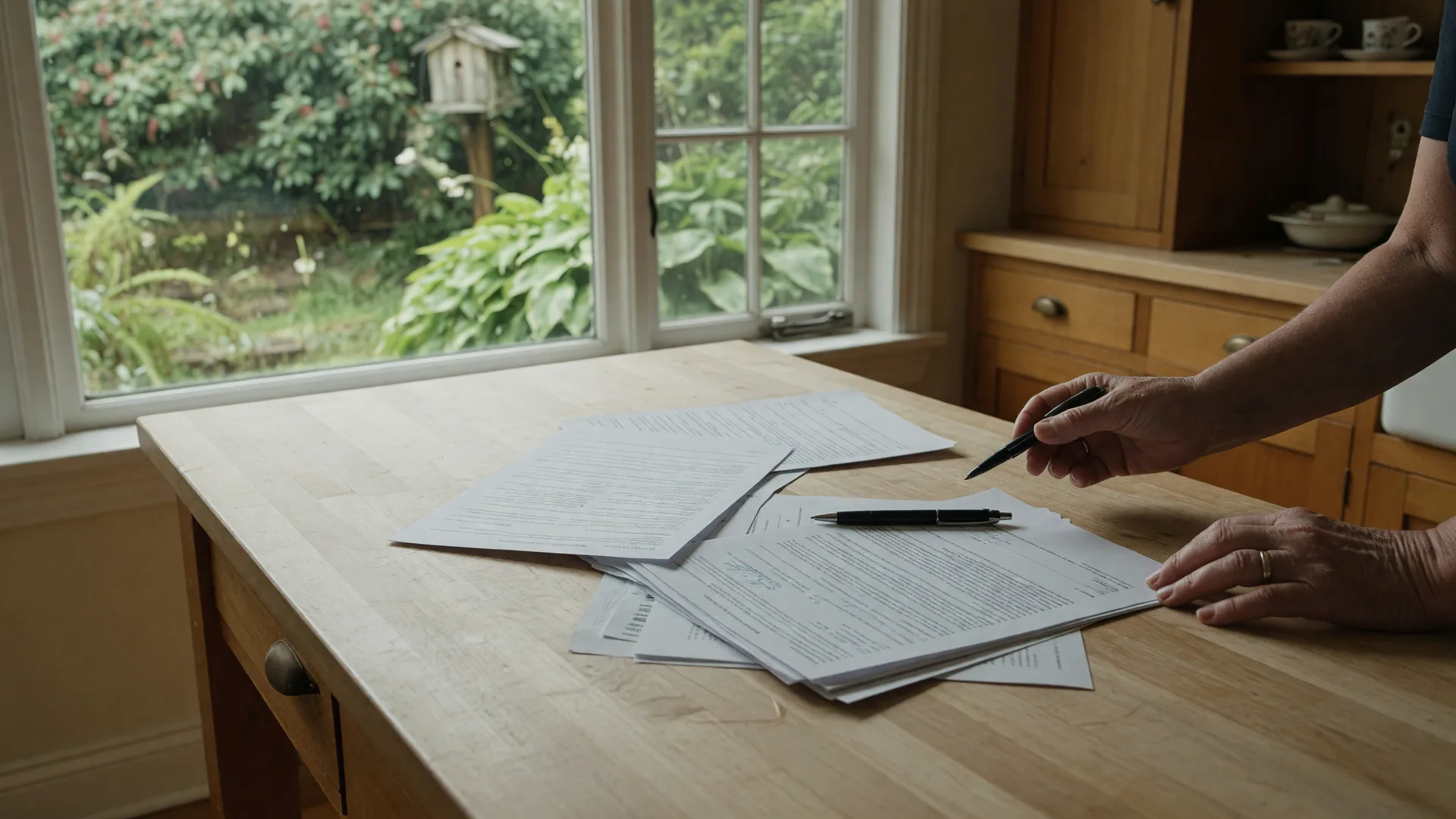
If you are preparing to sell a home you have lived in for 20, 30, or 40-plus years, one document will likely feel more challenging than any other: the Property Disclosure Statement, or PDS.
The PDS is a standard BC Real Estate Association form that asks sellers to disclose everything they know about their property's condition, systems, and history. For someone who has lived in the same home for decades, filling it out can feel like a test you did not study for. What year was the roof last replaced? Has the foundation ever had water intrusion? Is the electrical panel original to the house? These questions are easy to overlook until a sale is on the line.
This guide explains what the Property Disclosure Statement is, what questions to expect, how to fill it out honestly and completely, and what happens if you discover an issue you did not know about before. Understanding the PDS helps you sell your home with confidence and avoid costly surprises after the deal closes.
What is the Property Disclosure Statement?
The Property Disclosure Statement (PDS) is a document that sellers complete voluntarily in BC real estate transactions. It asks a series of specific questions about the home's physical condition and history, including the roof, foundation, electrical, plumbing, heating, insulation, windows, and any past renovations or insurance claims.
While completing the PDS is technically voluntary in BC, most buyers expect one, and their offer will typically include a condition that requires it. If you choose not to complete a PDS, you must disclose that decision in writing, and buyers will likely interpret it as a red flag or ask for a more extensive inspection before proceeding.
The document protects both the seller and the buyer. It gives the buyer the information they need to make an informed decision, and it gives the seller a clear record of what was disclosed. As long as you answer honestly and to the best of your knowledge, the PDS limits your exposure to future claims about issues you disclosed upfront.
Why the PDS is especially important for long-time homeowners
If you have owned your home since the 1980s or 1990s, there are likely aspects of its history that you have simply forgotten. Maybe the roof was replaced in 2003, but you cannot remember exactly. Perhaps the previous owner mentioned a damp crawl space, but you never had an issue yourself. Or the electrical panel is the original 1950s model, but nobody has ever flagged it as a concern.
These gaps in knowledge are common, and the PDS accounts for them. The document asks you to answer each question to the best of your knowledge. You are not expected to be a professional home inspector. You are expected to share what you know honestly.
What you do need to watch for is the difference between "I do not know" and "I do know and I am choosing not to disclose." If you have ever had a leaky roof, a foundation crack, or a sewer backup, and you answer "no" because you hope the buyer will not find out, that creates a real legal risk. A buyer who discovers a known but undisclosed issue after closing can pursue the seller for damages, and the BC courts take these claims seriously.
What the PDS asks about: key areas to review
The standard BC Property Disclosure Statement covers these main categories. For each one, here is what to review before you answer:
Roof
You will be asked about the roof's age, material, condition, and whether it has ever leaked. If you do not know the age, check your home improvement records or ask the neighbours. A roof in Greater Victoria typically lasts 20 to 30 years depending on the material. If yours is approaching or past that age, answer honestly and expect the buyer to factor replacement into their offer.
Foundation and structure
Questions cover foundation type, any known cracks or movement, water intrusion, and past repairs. Homes in Greater Victoria built on clay or unstable soil, particularly in areas like Saanich or parts of View Royal, may have experienced foundation shifts. If you have had any structural work done, gather the records if you can.
Electrical system
The PDS asks about the electrical panel type, age, capacity, and whether any knob-and-tube wiring remains. Older homes in Victoria, especially those built before 1970, may still have original wiring or fuse panels. If the panel has been upgraded, include the year and the contractor if you have the information.
Plumbing
Questions include pipe material, age of the hot water tank, history of leaks, and sewer line condition. Older homes may have galvanized steel pipes that corrode over time. Cast iron waste pipes, common in mid-century homes, have a typical lifespan of 50 to 60 years and may need replacement.
Heating and cooling
You will be asked about the furnace age, type, maintenance history, and any known issues. Oil tanks are a key question here. If you have a buried oil tank or have had one removed, you must disclose it. This is one of the most important disclosure items in Greater Victoria real estate, as buried oil tanks can pose significant environmental liability.
Insulation and windows
Questions cover wall and attic insulation type and condition, as well as window age, type, and whether any seals have failed. Foggy windows are a common disclosure item in older homes.
Renovations, additions, and permits
This is one of the most important sections for long-time homeowners. The PDS asks about any additions, structural changes, or significant renovations, and whether they were done with required permits. Common unpermitted work in Greater Victoria homes includes basement suites, deck additions, sunroom enclosures, and kitchen or bathroom renovations done before the current owners purchased the home.
If you had work done without permits, the honest answer is "yes, and permits were not obtained." Many buyers will still proceed with the purchase, but they may ask for a price adjustment or an allowance to bring the work up to code. Hiding unpermitted work creates a legal problem for you later.
Environmental concerns
You will be asked about known environmental hazards including mold, asbestos, lead paint, radon, and buried oil tanks. Asbestos is a common concern in homes built or renovated before the 1990s, as it was used in insulation, ceiling tiles, flooring, and drywall compound. If you have had an asbestos assessment, disclose it. If you have not, and you suspect the home may contain asbestos, it is worth being transparent about that possibility.
Insurance claims and boundary issues
The PDS asks about past insurance claims related to the property, as well as any known boundary disputes, encroachments, or easements. If you have ever made a water damage, sewer backup, or liability claim on your home insurance, you must disclose it. Insurers share claim history through databases, and the buyer's insurer may require disclosure as well.
How to prepare for completing the PDS
Rather than filling out the PDS in one sitting with a REALTOR, take some time beforehand to gather information. Here is a practical approach:
- Walk through the home room by room. Look for evidence of past leaks, cracks, or DIY repairs. Check the age of appliances and systems if visible. Open the electrical panel and note the brand and model.
- Dig through your files. Pull receipts, invoices, and permits for any work done during your ownership. If you do not have records, check with the contractor if you remember who did the work.
- Review what you know about the home's history. Talk to the previous owners if they are still in touch. Ask neighbours about any issues they are aware of.
- Consider a pre-listing home inspection. Many downsizers find that paying for their own home inspection before listing gives them clarity on what the buyer's inspector will find. It also allows them to address issues upfront or adjust the price accordingly. The inspection report is yours to share or keep private at your discretion.
- Consult with your REALTOR. An experienced local agent can help you understand what questions to expect and how to answer each one clearly and honestly. They cannot fill out the form for you, but they can advise on what buyers typically ask about in the Greater Victoria market.
What if you do not know the answer?
The PDS gives you three answer options for most questions: yes, no, or unknown. "Unknown" is a perfectly acceptable answer when you genuinely do not have the information. Using "unknown" does not mean you are hiding something. It means you are being honest about what you know and what you do not know.
The risk to avoid is guessing. If you say "no" when the correct answer is "I do not know," and the buyer later discovers an issue, they may argue that you knowingly misrepresented the property. Saying "unknown" protects you and gives the buyer fair notice to investigate further through their own inspection.
The relationship between the PDS and the home inspection
The PDS and the home inspection work together. The PDS tells the buyer what you know about the home. The home inspection tells the buyer what a professional observes about the home on the day of the inspection. Even the most thorough PDS will not catch everything, and even the most careful inspector may miss something.
The home inspection is the buyer's opportunity to verify the information in your PDS and to discover issues you may not have known about. For sellers, a clean PDS and a transparent approach to the inspection builds trust and reduces the likelihood of renegotiation or a collapsed deal.
What happens if an issue comes up during the inspection that you did not disclose?
If the buyer's home inspection reveals an issue that is not on your PDS, the buyer typically has the right to ask for repairs or a price adjustment. How this is resolved depends on whether you genuinely did not know about the issue or whether you chose not to disclose it.
If you genuinely did not know, the situation is usually manageable. You can negotiate with the buyer on a credit, repair, or price adjustment. If the issue is minor, most buyers will proceed once they understand it was not a known problem.
If the buyer can show that you knew about the issue and did not disclose it, the situation becomes more serious. The buyer may be able to walk away from the deal, sue for damages, or both. This is why honesty and transparency are not just ethical choices. They are legal protections for you as a seller.
Frequently asked questions
Is the Property Disclosure Statement mandatory in BC?
No, completing a PDS is voluntary in British Columbia. However, if you choose not to complete one, you must provide written notice to the buyer. Most buyers in Greater Victoria will expect a completed PDS, and refusing to provide one can weaken your negotiating position.
What happens if I discover a problem after I have already signed the PDS?
If you discover a new issue between signing the PDS and completing the sale, you have a legal obligation to disclose it to the buyer. This is called a continuing duty of disclosure. Contact your REALTOR immediately so the buyer can be informed and the agreement can be amended if needed.
Should I get a home inspection before I list my home?
Many downsizers find a pre-listing inspection valuable because it reveals issues before the buyer's inspection does. You can then address problems upfront, price the home to reflect its condition, or include the inspection report in your disclosure package. It also gives you the confidence of knowing exactly what the PDS should say.
Can the buyer sue me after closing for something I did not disclose?
Yes, a buyer can pursue a claim for nondisclosure after closing. The buyer must show that you knew about the issue and deliberately chose not to disclose it. The court may award damages for the cost of repairs, any reduction in property value, and potentially legal costs. Completing your PDS honestly and thoroughly is your best protection against this type of claim.
Does the PDS cover the contents of the home, or just the structure?
The PDS is specifically about the physical condition of the property and its systems. It does not cover the contents of the home (furniture, appliances, personal property). If you are selling the home with specific items included, those should be listed separately in the contract of purchase and sale.
Selling a long-held family home in Greater Victoria?
I help downsizers and estate sellers navigate every step of the process, from completing the Property Disclosure Statement to pricing your home for a successful sale. Let's talk about your situation with no obligation.
Let's Talk