
Deferred Maintenance for Long-Time Homeowners: What to Fix (and What to Skip) Before Selling in Victoria

Andrew Holenchuk
Victoria Property Group · eXp Realty
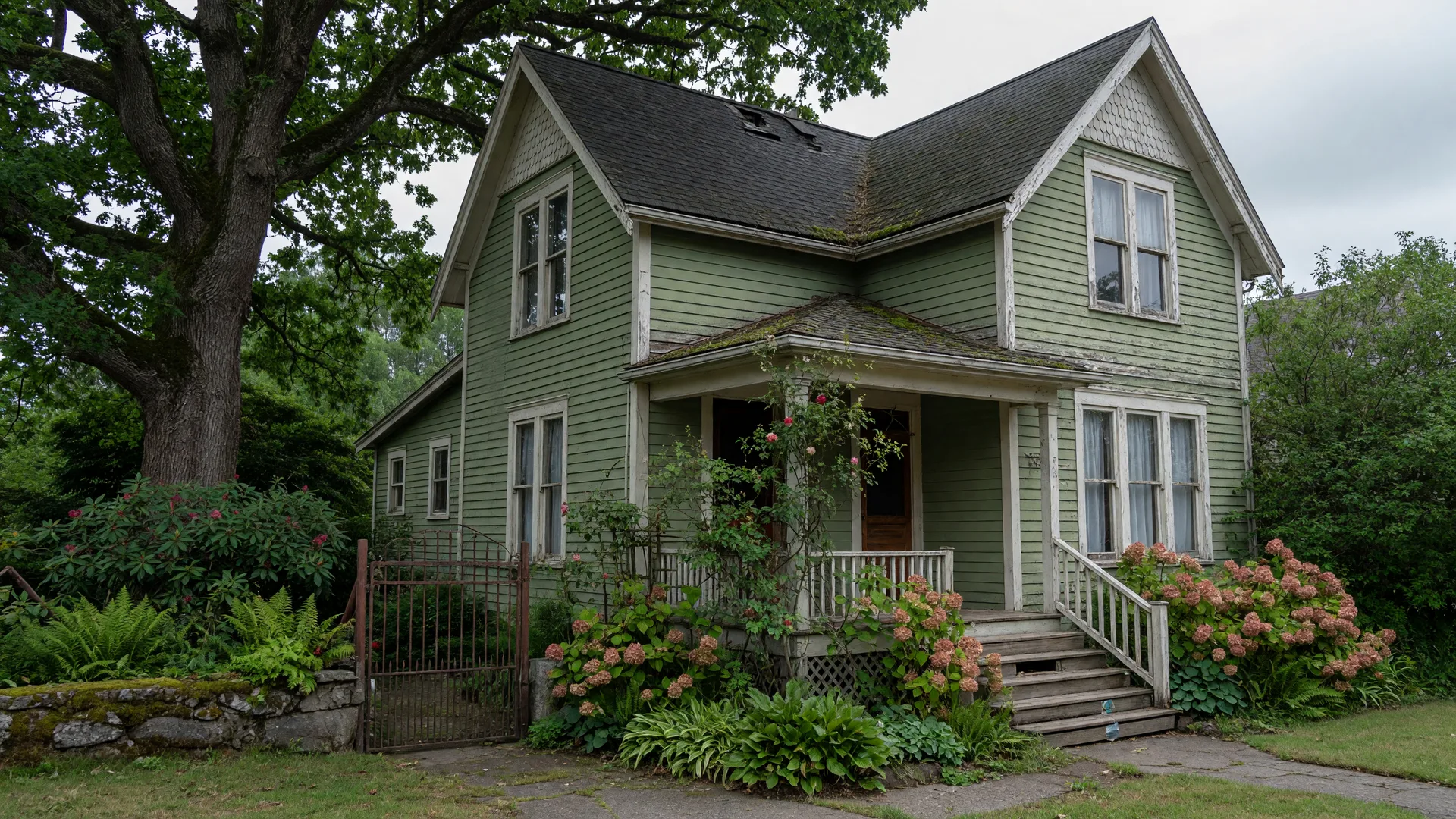
If you have lived in your Victoria home for 20, 30, or 40 years, you know every creaky floorboard, every drafty window, and every project that was going to get done "next year." The to-do list that accumulated over decades can feel overwhelming when you decide it is time to sell. The good news is that not every item on that list needs to be completed before you list your home.
This guide helps long-time homeowners in Greater Victoria identify which repairs and upgrades are worth doing before selling, which ones you can price in and leave for the next owner, and how to approach an older home's condition honestly and strategically.
The mindset shift: maintenance versus upgrades
The first thing to understand is the difference between deferred maintenance and cosmetic updates. Deferred maintenance is work that should have been done to keep the home in good working order: a leaky roof, a cracked window, a furnace past its useful life. Cosmetic updates are design choices: outdated kitchen cabinets, old carpet, harvest gold bathroom fixtures. The market treats these two categories very differently.
Buyers expect a home to be safe, functional, and free of major defects. They do not expect a fully renovated show home — and in Victoria's market, many buyers are looking for a property they can put their own stamp on. The key is to address the items that would cause a buyer or their home inspector to walk away, while being realistic about what you can achieve before your move date.
What to fix: the items that protect your sale price
These are the repairs that typically offer the best return on investment when selling a home with deferred maintenance. Addressing them signals to buyers and inspectors that the home has been cared for.
- Roof leaks and missing shingles — Water intrusion is a deal-breaker for most buyers and their lenders. If your roof is actively leaking, repair it. If it is near the end of its life but not leaking, get a roofing inspection and be prepared to offer a credit or adjust your price.
- Plumbing leaks — A dripping faucet or slow drain is minor. A water stain on the ceiling from a past leak needs investigation. Active leaks must be fixed before closing.
- Electrical hazards — Exposed wiring, non-functional outlets, or an outdated panel that poses a safety risk should be addressed. Knob-and-tube wiring, if present, should be disclosed and evaluated by a licensed electrician.
- Heating system — A furnace or boiler more than 20 years old may still function, but be prepared for inspection comments. If it is not working, repair it before listing.
- Structural issues — Cracks in foundation walls, sagging floors, or signs of settling should be evaluated by a structural engineer. Disclose known issues and provide any available reports.
- Mold or moisture problems — Address the source of any moisture issue and remediate visible mold. This is a health and safety concern that buyers take seriously.
- Exterior grade and drainage — Water pooling against the foundation, blocked gutters, or downspouts that discharge against the house can cause basement leaks. Clearing gutters and extending downspouts is inexpensive and worth doing.
What to consider fixing: items that improve buyer confidence
These repairs may not be required, but completing them can make your home easier to sell and reduce the number of conditions in an offer.
- Windows that are painted shut or hard to open — Not a safety issue, but it creates a negative impression. A simple repair often does the job.
- Worn-out exterior paint or stain — Peeling paint on the front of the house is one of the first things buyers see. A weekend of touch-up painting on the front porch and trim can transform curb appeal.
- Sticking doors and drawers — Minor carpentry adjustments make the home feel well maintained.
- Gaps and drafts around doors and windows — Replacing weatherstripping is inexpensive and signals energy-conscious maintenance.
- Overgrown landscaping — Pruning, weeding, and a fresh layer of mulch in the front garden are low-cost and high-impact.
What to skip: items you can leave for the next owner
Some projects are not worth starting before a sale, either because they will not recoup their cost or because the new owner will want to make their own choices.
- Full kitchen or bathroom renovation — Unless the existing one is literally non-functional, a renovation rarely pays for itself at sale. Buyers have different tastes. Let them choose their own finishes.
- New flooring throughout — If your carpet is worn but clean, offering a flooring credit is more efficient than installing new flooring yourself. The buyer may prefer hardwood anyway.
- Major landscaping redesign — A tidy, maintained yard is enough. Expensive hardscaping or garden redevelopment is a personal choice the next owner may not share.
- Basement finishing — An unfinished basement with good ceiling height is a blank canvas. Many buyers see it as an opportunity, not a problem.
- Fence replacement — Unless the fence is falling over, a functional but weathered fence is something a buyer can replace in their own timeline.
The inspection reality: disclosure and expectations
In British Columbia, sellers are required to disclose material latent defects — problems that a buyer could not discover through a reasonable inspection and that would affect their decision to purchase. When you have lived in a home for decades, you likely know its quirks and history better than anyone.
The best approach is transparency. If you know the roof is 22 years old, say so. If the basement has had water in heavy rainstorms, disclose it. Buyers and their inspectors will discover these things anyway, and addressing them upfront builds trust and reduces the risk of renegotiation later.
That said, not every minor issue needs to be disclosed. A squeaky floorboard, a drawer that sticks, or a light switch that works most of the time are normal wear and tear in any older home. Your realtor can help you understand the line between disclosure requirements and normal condition comments.
Pricing strategy for older homes in Greater Victoria
The most important decision you will make is how to price your home in light of its condition. You have two broad approaches:
- Fix and price for top of market: Address the maintenance items, do cosmetic updates where they make sense, and price competitively with move-in-ready homes in your neighbourhood. This approach works best when you have the time, budget, and energy to manage the work.
- Price for condition: Be realistic about what your home needs, make the essential repairs, and price below fully renovated comparables to attract buyers who see the potential. This is often the better choice for downsizers who are ready to move on.
Either strategy can be successful. The key is choosing one and executing it clearly rather than doing a little bit of everything. A home that is priced for its condition but has active roof leaks and an unsafe electrical panel will still struggle. A home that is clean, safe, and priced fairly for its age will find a buyer.
A practical checklist for the weeks before listing
Here is a realistic checklist for a long-time homeowner preparing to sell:
- Book a pre-listing home inspection to identify issues before the buyer does
- Fix all active leaks (roof, plumbing, windows)
- Address any safety hazards (electrical, structural, mold)
- Service the furnace and have the chimney cleaned if applicable
- Clean gutters and extend downspouts away from the foundation
- Touch up exterior paint where it is visibly peeling
- Prune overgrown shrubs and trees, mow the lawn, add fresh mulch
- Deep clean the entire home, including windows, carpets, and blinds
- Declutter and remove personal items to help buyers envision the space
- Gather any documentation you have: renovation records, appliance manuals, warranty information, property survey
Ready to sell your family home?
I help long-time homeowners in Greater Victoria prepare and sell their homes with honesty and care. Let's talk about your home and create a plan that works for you.
Book a Consultation