
Selling a Home with Aging Systems, Oil Tanks, and Environmental Considerations in Greater Victoria

Andrew Holenchuk
Victoria Property Group · eXp Realty
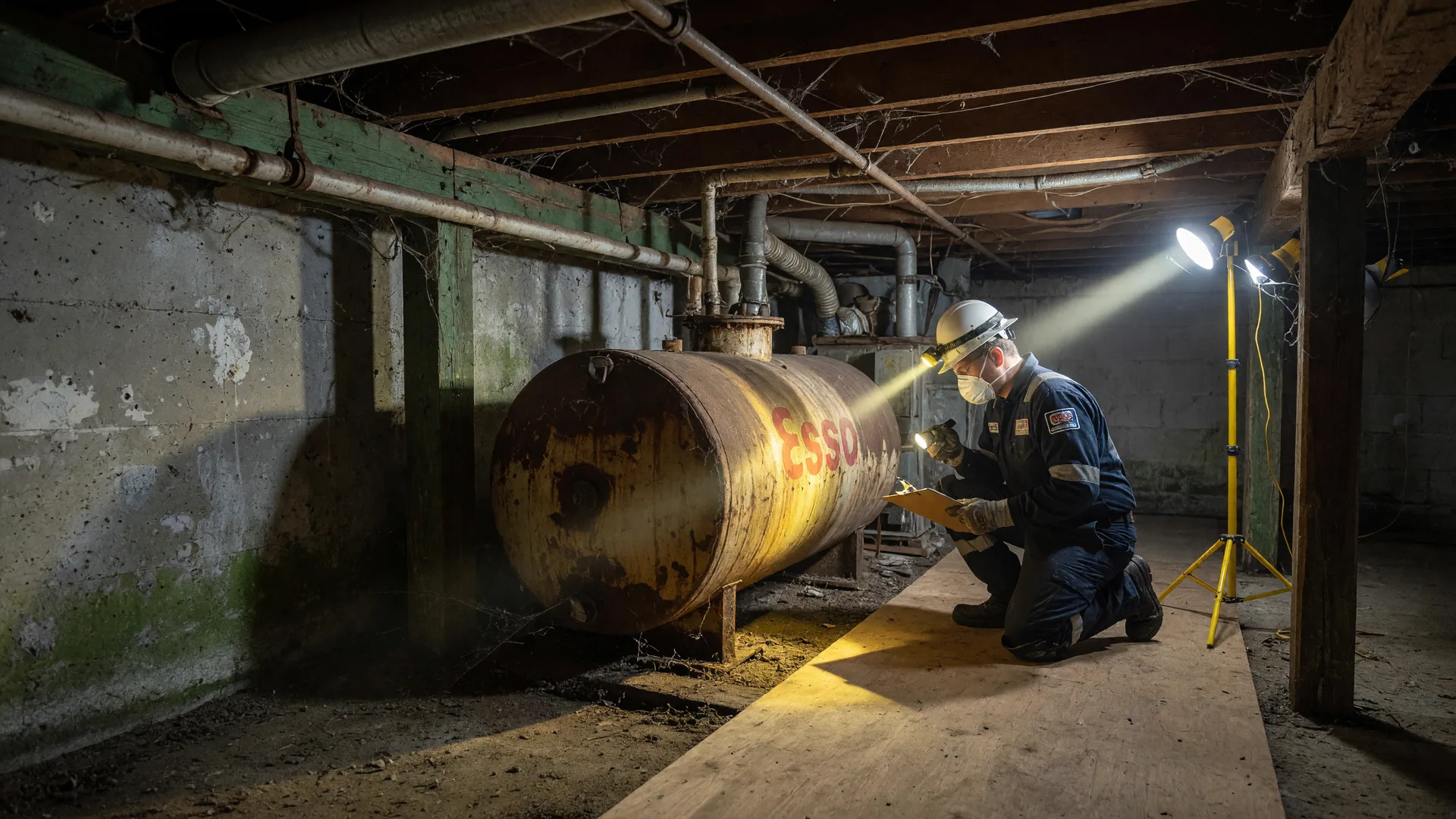
Greater Victoria is home to thousands of beautiful, character-rich homes built between the 1920s and 1970s. Many of them are now being offered for sale by long-time homeowners who are downsizing to a smaller home, condo, or retirement residence. And many of them have original or aging systems that raise questions for both sellers and buyers.
If you are selling a home with an aging oil tank, an original furnace or boiler, a septic system, or other environmental considerations, you are not alone. These features are common across the Capital Regional District, especially in older neighbourhoods in Victoria, Oak Bay, Saanich, Esquimalt, and in rural areas like Metchosin, Highlands, Shawnigan Lake, and Cobble Hill.
Understanding your disclosure obligations, remediation options, and how to present your home honestly to buyers will help you navigate the sale with confidence and avoid surprises that could delay or derail your transaction.
Underground oil tanks: the most common environmental concern in Greater Victoria
Between the 1920s and 1970s, thousands of homes in the region were heated by oil. The oil was stored in underground tanks, typically in the basement, crawlspace, or buried beneath the yard. When homes converted to natural gas, electric, or heat pump systems, many of those oil tanks were abandoned in place rather than properly removed.
An abandoned underground oil tank presents two distinct challenges for a home seller:
- Environmental risk. Over decades, an abandoned tank can rust, leak, and contaminate the surrounding soil. If a leak has occurred, the cost of soil remediation can be significant.
- Buyer concern. Most buyers and their lenders will require proof that the tank has been properly decommissioned or removed. An unknown or unaddressed tank can kill a sale or result in a lower offer that accounts for the buyer's risk.
What to do if you suspect or know you have an oil tank
If you have documentation of a tank removal from a previous owner, you are in good shape. If you do not, here are your next steps:
- Look for evidence. Check your basement or crawlspace for abandoned oil lines, fill pipes protruding from the ground, or concrete patches where a tank may have been removed.
- Check municipal and provincial records. The BC Oil and Gas Commission and some municipalities maintain records of reported oil tank removals. A property records search may turn up documentation.
- Hire a certified tank location and removal company. Professionals use ground-penetrating radar and other methods to locate buried tanks. If a tank is found, they can assess whether it has leaked and recommend removal or decommissioning.
The cost of locating and removing a non-leaking oil tank in Greater Victoria typically ranges from $2,000 to $5,000. If soil contamination is found, remediation costs can run significantly higher, but many properties have no leak at all. Addressing the tank proactively before listing your home puts you in control of the situation rather than reacting to a buyer's inspection finding.
Disclosure requirements for oil tanks in BC
In British Columbia, sellers are required to complete a Property Disclosure Statement (PDS) that asks specifically about known oil tanks, underground storage tanks, and environmental contamination. You must answer honestly and to the best of your knowledge. If you know about a tank and do not disclose it, you risk legal liability after the sale.
If you do not know whether a tank exists, it is acceptable to answer "unknown" on the PDS. However, most buyers will hire a home inspector who may flag clues that suggest an abandoned tank. A proactive approach showing that you have already investigated or addressed the issue is almost always better than leaving the question unanswered.
Aging heating systems: furnaces, boilers, and heat pumps
Many long-time homeowners are selling properties with original gas furnaces, electric baseboard heating, or aging oil boilers. Buyers today increasingly expect modern, efficient heating, especially as energy costs rise and heat pumps become standard in new construction across the region.
- Gas furnaces older than 15 to 20 years are approaching the end of their service life. An inspector will note this, and buyers may request a replacement credit or price reduction.
- Electric baseboard heating is common in older condos and smaller homes. While functional, it is less efficient than modern heat pumps and can be expensive to operate. Buyers in the Greater Victoria market increasingly ask about heat pump readiness.
- Oil boilers are still present in some older Victoria-area homes. Buyers often want to replace these with natural gas or a heat pump, and some insurers may refuse to insure a property with an active oil tank or boiler.
Should you replace your heating system before selling?
The answer depends on your timeline, budget, and the price point of your home. A home with a new heat pump is very attractive to downsizers and retirees who value comfort, efficiency, and low energy bills. However, replacing a system can cost $8,000 to $20,000 depending on the type and size.
If your heating system is functional and safe but dated, you may choose to sell as is and let the buyer upgrade to their preferred system. This approach works well when your home is priced competitively and the overall market is strong. The key is to be transparent and avoid surprises when the home inspection happens. Read more about strategic pre-sale decisions in our article on deferred maintenance and which repairs to prioritize.
Septic systems in rural Greater Victoria areas
If your home is in Metchosin, Highlands, Sooke, Shawnigan Lake, Mill Bay, Cobble Hill, Duncan, or parts of North Saanich and Central Saanich, you likely have a septic system rather than municipal sewer service. Septic systems require specific disclosure and inspection considerations:
- Age and maintenance history matter. Buyers will want to know when the septic tank was last pumped, whether the system is up to current BC standards, and whether any repairs have been made.
- Septic inspections are routine. Most buyers will include a septic system inspection condition in their offer. If the system fails, the buyer may request repairs, replacement, or a price adjustment.
- Older systems may not meet current codes. If your septic system was installed before current regulations, it may need upgrades before a sale can close. This is particularly common with systems installed before the 1990s.
Having your septic system inspected and serviced before listing gives you advance knowledge of any issues. It also demonstrates to buyers that the property has been well maintained, which is especially important for downsizers moving to rural or semi-rural properties in the region.
Asbestos, lead paint, and other aging building materials
Homes built before the 1990s in Greater Victoria may contain materials that are now regulated or considered hazardous. The most common are:
- Asbestos in attic insulation (vermiculite), pipe insulation, drywall compound, vinyl floor tiles, and exterior siding. Asbestos is not dangerous when undisturbed, but it affects renovations and repairs. Buyers planning to renovate your kitchen or bathroom after purchase will want to know about asbestos locations.
- Lead-based paint in homes built before 1960 is common. While standard residential sales do not require the same disclosure as in the United States, it is good practice to share what you know.
- Urea-formaldehyde foam insulation (UFFI) used in some homes from the 1970s and 1980s. Some buyers may have concerns about off-gassing from this insulation.
Do not panic about these materials. Most homes of a certain vintage contain some of them, and they are manageable. The important thing is to be transparent and to avoid disturbing materials without proper safety precautions. If you are unsure whether your home contains these materials, a pre-sale environmental assessment can provide clarity.
Well water and water quality considerations
Rural properties in Greater Victoria that rely on well water require a water quality test as part of the typical sale process. Buyers will want to know:
- Flow rate and whether the well provides sufficient water for the home's needs.
- Water quality, including bacterial testing and mineral content.
- The age and condition of the well pump and pressure tank.
If you are selling a rural property as part of your downsizing move, having a current water test report available for buyers gives you a clear advantage. It removes uncertainty and demonstrates that the property is well cared for.
How to approach these disclosures as a downsizing seller
Selling a home you have lived in for decades means you know its quirks and history better than anyone. That knowledge is valuable, but it also creates a responsibility to share what you know honestly. Here is my advice to every downsizing seller in Greater Victoria:
Be transparent from the start
The Property Disclosure Statement is your opportunity to answer every question honestly. If there is something you do not know, say so. Buyers in today's market appreciate transparency and are more likely to proceed with confidence when a seller has been open about the home's condition.
Consider a pre-listing home inspection
A pre-listing inspection reveals issues before buyers discover them. It costs $500 to $800 and includes a review of the heating system, electrical, plumbing, roof, and visible structural components. You can then address any concerns or price the home accordingly. Many downsizers find that a pre-listing inspection reduces stress during negotiations and leads to smoother, faster sales.
Price your home to reflect its condition
A home with aging systems is not necessarily a problem home. Many buyers in Greater Victoria appreciate character and are willing to take on some updates, provided the price reflects the home's true condition. Pricing correctly from the start attracts serious buyers and avoids the stigma of a home that sits on the market while price reductions pile up.
Work with professionals who understand older homes
A REALTOR who regularly works with older properties, long-time homeowners, and downsizing sellers will know how to position your home. They can recommend inspectors, contractors, and environmental specialists who understand the unique considerations of vintage Victoria homes. They also know which common buyer questions to anticipate and how to present your home's history as an asset, not a liability.
Frequently asked questions
Do I have to disclose an abandoned oil tank if I am not sure one exists?
The Property Disclosure Statement asks whether you are aware of any oil or underground storage tanks on the property. If you do not know, you can answer "unknown." However, if you have reasonable grounds to believe a tank exists such as old fill pipes visible in the yard or oil lines in the basement it is worth investigating before listing.
Will a buyer walk away because of an oil tank?
Some will, but many will not if the issue has been properly addressed. A tank that has been professionally removed with documentation of clean soil is not a problem. An unaddressed or unknown tank is what causes buyers to walk. Taking proactive steps protects your sale.
How much does it cost to remove an underground oil tank in Greater Victoria?
For a tank that has not leaked, removal typically costs between $2,000 and $5,000 including soil testing. If contamination is found, remediation costs vary widely based on the extent of the leak. Many homeowners find that addressing a non-leaking tank is a worthwhile investment that secures a cleaner sale.
Is a heat pump worth installing before selling a home in Victoria?
Heat pumps are increasingly expected by buyers in the Greater Victoria market. They provide efficient heating and cooling, and government rebates reduce the upfront cost. If your existing heating system is near the end of its life, replacing it with a heat pump is often a smart investment. If it still has years of service left, you may choose to sell as is and let the next owner make the upgrade.
Do I need a septic inspection before listing my rural property?
Not required, but strongly recommended. A buyer will almost certainly request a septic inspection as a condition of their offer. By getting one in advance, you know what you are working with and can either address issues or factor them into your price. It removes the element of surprise and keeps negotiations focused on the home itself, not on unexpected septic problems.
Can I sell a home with asbestos in the attic or floor tiles?
Yes. Asbestos is common in many pre-1990 homes, and it is legal to sell a home with asbestos in place. The key is disclosure. Let buyers know what is present and where, so they can plan any future renovations safely. Many buyers are comfortable purchasing a home with asbestos as long as they know the locations and can work around them.
Ready to sell your home and downsize with confidence?
Whether your home has an original furnace, an oil tank, or a septic system, I can help you navigate the sale with transparency and peace of mind. With over 18 years of experience in the Greater Victoria market, I have helped hundreds of families through exactly this transition. No pressure, just honest guidance.
Let's TalkAbout the author: Andrew Holenchuk is Team Leader of Victoria Property Group at eXp Realty and has been helping clients buy and sell homes in Greater Victoria since 2006. He has facilitated more than $1 billion in real estate sales and has guided numerous long-time homeowners through the sale of older properties with aging systems and environmental considerations. This article provides general information and does not constitute legal or environmental advice. Consult qualified professionals for advice specific to your property.