
Preparing an Estate or Inherited Home for Sale in Greater Victoria: A Step-by-Step Guide

Andrew Holenchuk
Victoria Property Group · eXp Realty
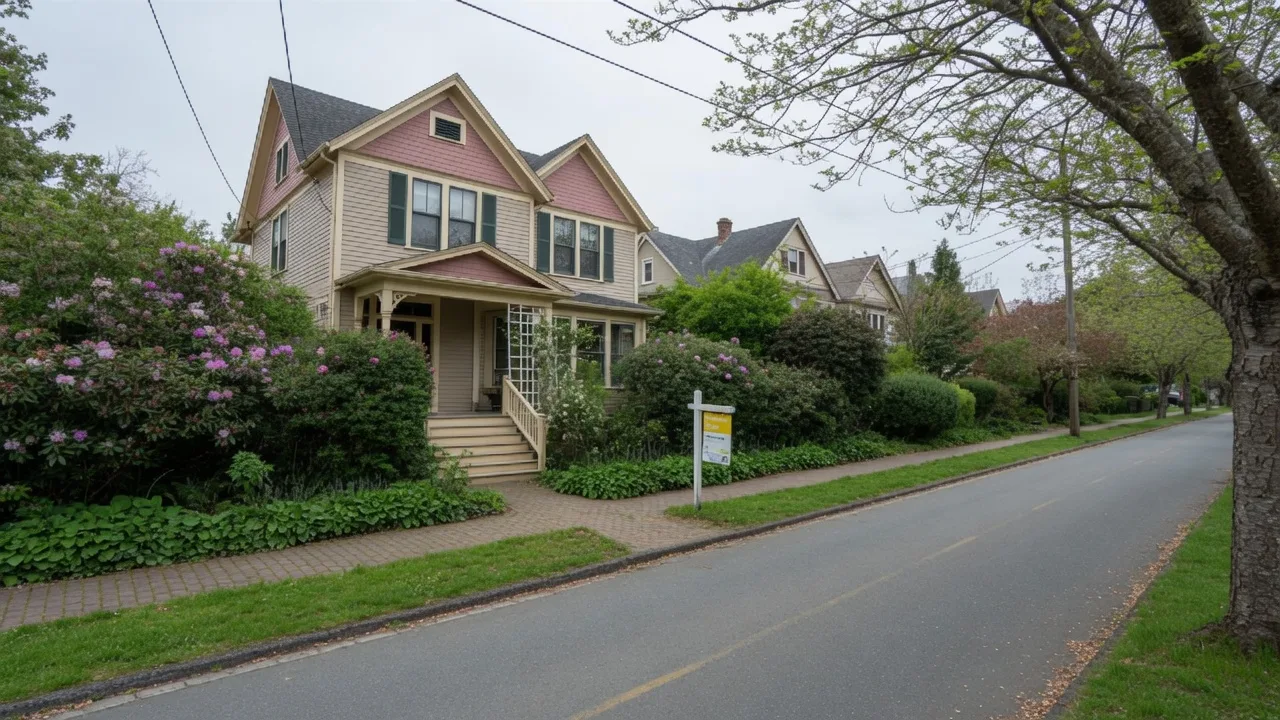
When a loved one passes, the family home can feel frozen in time. The garden they tended, the kitchen where meals were shared, the armchair by the window where they read in the afternoon sun. For the executor or family members who must now prepare that home for sale, the task can feel overwhelming, especially while navigating grief and the legal responsibilities of estate administration.
This guide is written specifically for families and executors in Greater Victoria who need to prepare an inherited or estate home for the real estate market. It covers the practical steps in order, from securing the property through to closing day, so you can move forward methodically and with confidence.
Step 1: Secure the property and assess its condition
Before anything else, the property needs to be secured. If the home has been vacant for any length of time, it is vulnerable to weather damage, vandalism, or undetected maintenance issues.
- Change the locks. You do not know who may have a key. Rekeying or re-cording the locks is a simple, inexpensive step that gives you control over access.
- Ensure the utilities are on and working. The home needs electricity, water, and heat for preservation and for showings. In winter, keeping the heat above 10 degrees Celsius prevents frozen pipes. In Victoria's mild but damp climate, heat also helps manage humidity and prevents musty odours.
- Check for leaks, pests, and hazards. Walk through the entire property with a flashlight. Look under sinks, in the attic, and in the basement or crawl space. If you spot signs of water damage, rodent activity, or other issues, address them early before they become larger problems.
- Secure valuables and important documents. Remove jewellery, cash, sensitive documents, and anything else of value that could walk away during showings or contractor visits. Store them in a safe deposit box or with a trusted family member.
- Assess the home's overall condition. Make note of what is working and what is not. The roof, windows, furnace, hot water tank, electrical panel, and foundation are the most important systems to evaluate. A pre-listing home inspection can give you a clear picture of what needs attention before buyers uncover it during their own inspection.
Step 2: Understand your legal and estate obligations
Before listing an estate property, you need to understand where the authority to sell comes from and what legal steps are required in British Columbia.
- Confirm your authority to sell. If you are the executor named in the will, you may have the authority to list and sell the property, but some circumstances require probate first. Probate is the court process that validates the will and confirms the executor's authority. In BC, probate is typically required when the estate includes real property (land and buildings) unless the property is held in joint tenancy with right of survivorship.
- Joint tenancy vs. tenancy in common. If the deceased owned the home as a joint tenant with a surviving spouse, the property passes directly to the surviving owner outside of probate. If the home was held as tenants in common, the deceased's share becomes part of the estate and probate is generally required.
- Notify the strata corporation if applicable. If the estate property is a condo or townhome in a strata complex, contact the strata management company. They will need to be informed of the change in ownership and can advise on any specific requirements or restrictions for listing the property.
- Consider property transfer tax implications. The sale of an estate property may have tax consequences for the estate or beneficiaries. Capital gains may apply if the property was not the deceased's principal residence in the years before death, or if it was a rental or recreational property. The principal residence exemption typically covers the primary home, but your situation may vary. Consult with an accountant or estate lawyer for guidance specific to your circumstances.
Your REALTOR and legal advisor can help you determine exactly what documentation is needed before you list. It is always better to sort out the legal requirements upfront than to discover a problem after an offer is accepted.
Step 3: Clear the home methodically
Clearing an estate home is emotionally and physically demanding. Every item in the house belonged to someone you loved, and deciding what to do with each one can feel like an impossible task. The key is to work in stages and not try to do everything at once.
Stage one: Identify items the family wants to keep
Before anything is donated or discarded, give family members the opportunity to choose items they want. This is best done together, ideally with clear guidelines to prevent conflict. A simple approach: each family member gets a sticky note in a different colour and can claim a set number of items. Anything not claimed becomes part of the estate clearing process.
Stage two: Sort for sale, donation, and disposal
Once family items have been claimed, the remaining contents generally fall into three categories:
- Sale items: Antiques, collectibles, quality furniture, art, and jewellery may have resale value. An estate sale company can handle the entire process of pricing, marketing, and selling these items. Auction houses in Greater Victoria also accept consignments for higher-value pieces. A professional appraiser can help you identify items worth more than you might expect.
- Donation items: Usable clothing, household goods, small appliances, and books can be donated to organizations across Greater Victoria, including the Salvation Army, Value Village, Habitat for Humanity ReStore, and local charities. Ask for a donation receipt for tax purposes if the estate is filing a final tax return.
- Disposal items: Expired food, worn-out furniture, broken electronics, and general household waste need to be disposed of properly. Victoria has recycling depots for electronics, hazardous materials, and large items. A dumpster rental or junk removal service can be a worthwhile investment for a full-house clearout.
Stage three: Deep clean the property
After the contents have been removed, the home needs a thorough professional cleaning. Carpets should be steamed, windows washed, kitchen and bathrooms scrubbed, and all surfaces wiped down. A deep clean makes an enormous difference in how the home presents to buyers. A home that smells clean and looks fresh signals that it has been cared for, even if it is dated.
Step 4: Address repairs and deferred maintenance
Estate homes are often dated and may have years or decades of deferred maintenance. You do not need to renovate the entire property, but you do need to address the issues that will come up during a buyer's home inspection.
- Prioritize safety and structural items: Loose handrails, broken steps, leaking pipes, faulty electrical outlets, and missing smoke detectors should all be repaired. These are red flags for buyers and home inspectors.
- Address the roof and gutters: In Victoria's rainy climate, a leaking roof or clogged gutters are serious turnoffs. If the roof is near the end of its life, buyers will factor replacement into their offer. Consider having it inspected and getting a quote for repairs or replacement so you know where you stand.
- Refresh paint: A coat of neutral paint is one of the highest-return investments you can make in an estate home. It brightens the space, covers any odours or stains, and helps the home feel fresh rather than aged.
- Service the heating system: Have the furnace or boiler serviced and provide the service record to buyers. A well-maintained heating system removes a major buyer concern.
- Spruce up the garden: First impressions matter. Trim overgrown shrubs, mow the lawn, weed garden beds, and add fresh mulch. A tidy exterior tells buyers the home has been looked after.
Your REALTOR can help you prioritize repairs by advising which ones are likely to have the greatest impact on sale price and which ones you can reasonably leave for the buyer to address.
Step 5: Stage and photograph the home
Once the home is empty, clean, and repaired, it is time to present it at its best. An empty home can feel cold and uninviting. A staged home helps buyers visualize living there.
- Consider professional staging: For estate properties, particularly those that are dated or have unusual layouts, staging makes a significant difference. A professional stager can bring in furniture and decor that highlights the home's strengths and downplays its limitations.
- If staging is not in the budget: At minimum, ensure the home is clean, well-lit, and free of clutter. Open curtains to let in natural light. Turn on all lights for photographs and showings. A few simple touches like fresh flowers or a bowl of fruit in the kitchen can add warmth.
- Professional photography is non-negotiable: In today's market, buyers form their first impression online. High-quality photography, and ideally a virtual tour or video walkthrough, is essential. Your REALTOR will coordinate this as part of the listing process.
Step 6: List, market, and manage showings
With the home prepared and staged, the real estate process begins. Your REALTOR will handle pricing, listing on the MLS, marketing, and showings. As executor or family representative, your role at this stage is to be responsive and available for decision-making.
- Be available for showings. For estate properties, flexibility on showing times is important. Buyers may want to view the home on short notice, especially if they are comparing multiple properties.
- Respond promptly to offers. When offers come in, you will need to review them with your REALTOR and legal advisor. The executor is responsible for accepting the offer that is in the best interest of the estate and its beneficiaries. This is not always the highest price — conditions, timeline, and buyer qualifications all matter.
- Provide required strata documents. If the property is a strata unit, the buyer will need the depreciation report, strata minutes, bylaws, and Form B (Information Certificate). Your REALTOR can help you gather these from the strata management company.
Common challenges with estate properties in Greater Victoria
Estate properties in aging condominium buildings
Many estate homes in Victoria are condos in building from the 1970s, 1980s, or 1990s. Buyers will scrutinize the depreciation report, contingency fund, and recent special levies. Be prepared to share these documents early in the process. If the building has known issues, addressing them transparently is better than having them surface as a surprise during due diligence.
Homes with significant deferred maintenance
If the estate home has substantial issues — an old roof, outdated electrical, foundation concerns — it may be best to market it as a fixer-upper to the right buyer. An experienced REALTOR can help position the home appropriately. Some buyers in Greater Victoria specifically look for homes that need work, particularly in desirable neighbourhoods where they can add value through renovation.
Multiple beneficiaries with different expectations
If the property is being sold as part of an estate with multiple beneficiaries, disagreements about pricing, timing, or how to handle offers can arise. Clear communication and a shared understanding of the executor's role can help. The executor's duty is to act in the best interest of the estate as a whole, not to satisfy any single beneficiary's preference.
Frequently asked questions
Do I need probate before I can list an estate home for sale?
In British Columbia, you can list an estate property before probate is granted, but you cannot complete the sale until probate is confirmed. Many executors choose to start the probate process immediately and begin preparing the home for sale at the same time. Discuss your specific situation with your estate lawyer and REALTOR to determine the best timeline for your circumstances.
Should I sell the home as-is or make repairs first?
This depends on the condition of the home and the market in your specific neighbourhood. In general, addressing safety issues and cosmetic problems that have an outsized impact on buyer perception (paint, carpet, curb appeal) is worthwhile. For major systems like a roof or furnace, the return on investment varies. Your REALTOR can provide guidance based on comparable sales and buyer expectations in your area.
What happens to the sale proceeds?
The proceeds from the sale of an estate property become part of the estate. After paying off any outstanding mortgage, real estate commissions, legal fees, and other estate expenses, the remaining funds are distributed to the beneficiaries according to the terms of the will. If there is no will, distribution follows British Columbia's intestacy rules, which prescribe how assets are divided among surviving family members.
How long does the process usually take?
From the decision to sell to closing day, an estate property sale in Greater Victoria typically takes three to five months. This includes time for probate (if required), clearing and preparing the home, listing and marketing, accepting an offer, and the closing period. Complex estates or properties that need significant repairs can take longer. Your REALTOR can provide a realistic timeline based on your specific situation.
Are there any tax implications for me as the executor or beneficiary?
The estate itself may be subject to tax on capital gains if the home was not the deceased's principal residence. As a beneficiary, you generally do not pay tax on inherited property, but if you sell the property later for more than its value at the time of inheritance, you may be subject to capital gains. Every situation is different, so I strongly recommend consulting with an accountant or tax professional who is familiar with estate tax rules in British Columbia.
Navigating an estate property sale?
I have helped many families in Greater Victoria prepare and sell estate homes with sensitivity and professionalism. Whether you are at the very beginning of the process or ready to list, I would be honoured to help you through this important step.
Let's TalkAbout the author: Andrew Holenchuk is Team Leader of Victoria Property Group at eXp Realty and has been helping families in Greater Victoria navigate housing transitions since 2006. He has facilitated more than $1 billion in real estate sales, including many estate property transactions. He serves communities across the Capital Regional District, including Victoria, Saanich, Oak Bay, Langford, Sidney, and beyond.