
What to Bring to a Retirement Residence or Assisted Living

Andrew Holenchuk
Victoria Property Group · eXp Realty
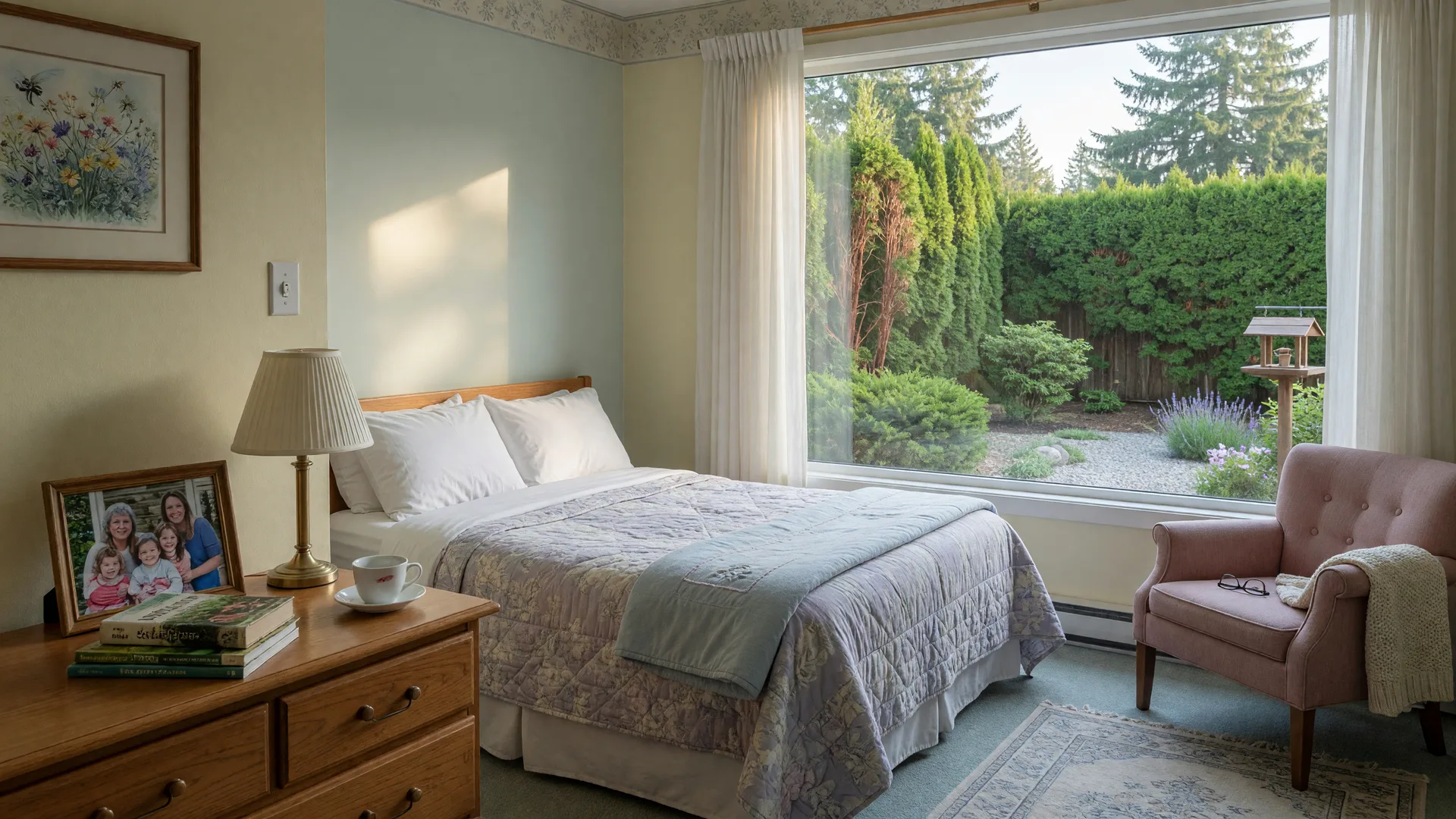
Moving to a retirement residence or assisted living is a downsizing move in miniature. The room is small, much of the furniture is provided, and the challenge is deciding which of a lifetime of belongings will make that room feel like home. The good news is that the question has a clear answer: residences tell you what they provide, and everything else comes down to a short list of essentials, a few beloved keepsakes, and the documents that matter. This guide walks through what to bring, room by room, what to leave behind, and how to handle everything else, for families in Greater Victoria planning this transition.
I have helped many Victoria families with the housing side of this move, from selling the family home that funds it to understanding what a residence actually provides. The families who feel calmest on move-in day are the ones who asked the residence the right questions early and packed with intention, not with everything.
Start by asking the residence what it provides
Before you pack a single box, get the residence's own list in writing. Every residence is different, and guessing wrong means hauling furniture that will not fit or leaving behind something essential. Ask for:
- Furniture provided: bed, dresser, nightstand, chair, table, and whether the bed frame and mattress are included.
- Linens and towels: whether bedding, towels, and laundry service are provided, and how often linens are changed.
- Electronics: whether a television, telephone, and internet connection are included or allowed, and any related fees.
- Room size and layout: the exact dimensions, so you can plan what fits. Some residences offer a floor plan or a visit to see a similar room.
- Restrictions: limits on furniture size, electrical items, area rugs, candles, and appliances. Safety rules in residences are strict, and knowing them in advance saves heartache.
- What is not allowed: some residences restrict certain items for fire or safety reasons, and some do not allow pets or have specific pet policies.
Our guide to retirement residence contracts and fees in BC explains the questions to ask about what your monthly fee covers, which is the same conversation from the financial side.
The bedroom
The bedroom is where most residents spend a large share of their time, and it is the room where familiar things matter most. Bring:
- Bedding that feels like home: a favourite quilt, blanket, or duvet, plus sheets that fit the residence's bed size. Many residents find their own bedding makes the room feel instantly familiar.
- A comfortable chair: if the residence does not provide one, a favourite armchair or recliner can be the anchor of the room.
- Photos and small keepsakes: a few framed family photos, a favourite lamp, a clock. These are the items that turn a room into home.
- Personal touches: a small rug if allowed, a plant, a small bookshelf, a music player.
Keep it to furniture that fits the room. If the residence provides a bed, dresser, and nightstand, you do not need to bring duplicates. The goal is a room that is comfortable, safe to move around in, and personal, not a full household.
The bathroom
Bathrooms in residences are usually private or semi-private, and space is limited. Bring:
- Towels and washcloths if the residence does not provide them.
- Toiletries and personal care items: soap, shampoo, toothpaste, a toothbrush, a comb or brush, skin care, and any personal care products your family member uses.
- Assistive items if needed: a shower chair, grab bars, or a raised toilet seat, if the residence allows them and does not provide them. Ask what the residence supplies for safety.
- Medications: bring current medications with you, in their original packaging, along with a written list. The residence will need to know exactly what is being taken.
Label personal items clearly. In shared or semi-private settings, clear labelling prevents mix-ups and makes it easier for care staff to help.
The living area and kitchenette
Many residence rooms include a small sitting area, and some have a kitchenette. For the living area, bring a comfortable chair or two, a small table, a lamp, and a few items that make the space welcoming: photos, books, a plant, a clock. If the residence provides a television, you may not need to bring one; if not, a small set with a wall mount or stand can be arranged with the residence's approval.
For a kitchenette, keep it simple: a kettle, a few mugs and dishes, a small supply of tea and coffee, and snacks. Most meals are provided, so the kitchenette is for comfort, not cooking. Check what appliances the residence allows before bringing anything electrical.
Clothing and personal care
Clothing is where downsizing really happens, because most people own far more than a residence room can hold. Bring:
- Seasonal clothing: enough for about a week or two between laundry days, including comfortable, easy-to-wear pieces and sturdy, non-slip footwear.
- Outerwear for Greater Victoria's weather: a rain jacket and warm layers matter on the coast, where the weather changes quickly.
- Comfortable shoes: slip-resistant, easy to put on, and appropriate for walking around the residence and outdoors.
- Nightwear, underwear, and socks in generous supply, since laundry schedules vary.
Label clothing if the residence offers laundry service. And remember that the rest of the wardrobe does not need to be decided on move-in day; it can be sorted in stages, at a pace that respects the person moving.
Documents to bring
A small folder of documents should travel with the resident, not in a box:
- Government ID: BC Services Card, driver's licence or BC identification, and health card.
- Medication list and any medical information the residence needs at move-in.
- Advance care documents: a representation agreement or advance directive, if one exists.
- Contact information for family, the doctor, and any professionals involved in care.
- Power of attorney details: who holds the power of attorney, and how to reach them. Our guide to powers of attorney and representation agreements before a housing transition explains why these matter before a move.
Keep the originals of wills and financial documents with the family or in a safe place, not in the residence room. A small locked drawer or the family's keeping is the right home for valuables and jewellery too.
What to leave behind
As a general rule, leave behind anything the residence provides, anything that will not fit, and anything that is not essential to daily comfort and connection. That usually includes:
- Large furniture the residence already provides or that will not fit the room.
- Major appliances and most small appliances, subject to the residence's rules.
- Excess clothing and shoes.
- Valuables and jewellery beyond a few everyday pieces.
- Collections and decorative items beyond a few favourites.
- Documents and paperwork that belong with family or in secure storage.
Leaving things behind is not the same as losing them. The belongings that do not move to the residence still need a plan: family keepsakes, sale, or donation. Our guide to how estate sales work in Greater Victoria and the article on donating, consigning, or selling a lifetime of possessions walk through the options.
Keepsakes and sentimental items
The items that carry memory are the ones worth bringing. A few framed family photos, a quilt made by a relative, a favourite chair, a clock that has been in the family for decades: these anchors make a small room feel like a life, not a storage space.
For the keepsakes that cannot come along, consider photographing them so the memories stay close. Our guide to preserving family photos, letters, and memories when you downsize has practical ideas for keeping the stories without keeping every object.
Pack a go bag early
One of the realities of residence living in BC is timing: waitlists can move quickly, and a bed can open with little notice. Families who wait for a placement before preparing the belongings often find themselves scrambling. Our guide to moving to long-term care in BC explains how quickly placements can open and why the home and belongings plan should be largely decided in advance.
The practical answer is a go bag: a suitcase or two with the essentials, clothing, medications, documents, and a few keepsakes, packed and ready before the call comes. The rest of the belongings can be sorted calmly afterward, at the family's pace, with the residence move already settled.
Frequently asked questions
Do retirement residences provide furniture?
Most provide the basics: a bed, dresser, nightstand, and often a chair or table. What is included varies by residence and by room type, so ask for the residence's own list in writing before you pack. Anything not provided, you can bring if it fits and follows the residence's safety rules.
Can I bring my own furniture to assisted living?
Usually yes, within limits. Residences typically allow residents to bring a favourite chair, small tables, and personal items, as long as they fit the room and meet safety rules. Check the residence's restrictions on furniture size, electrical items, and area rugs before you move anything in.
What should I pack for a parent moving to a residence?
Start with the essentials: seasonal clothing, comfortable non-slip shoes, toiletries, medications with a written list, bedding if needed, a few framed photos and keepsakes, and a small folder of documents including ID and advance care documents. Ask the residence what it provides, and pack a go bag early in case a bed opens on short notice.
What documents does a residence need at move-in?
Typically government ID, a BC Services Card or health card, a current medication list, and contact information for family and the doctor. Advance care documents and power of attorney details should also be shared with the residence, with originals kept by family.
What happens to the family home and the rest of the belongings?
The family home and the belongings that do not move to the residence need their own plan: selling the home, distributing keepsakes among family, and using an estate sale, donation, or consignment for the rest. Our guides to estate sales in Greater Victoria and what happens to the family home when a parent moves to care cover both in detail.
Can my parent bring a pet to a retirement residence?
Some residences allow small pets, and some do not. Pet policies vary widely, so ask directly and get the policy in writing before the move. If a pet cannot come along, plan early for rehoming with a trusted family member or friend, and talk about it gently with your parent.
The housing side of this move deserves the same care as the packing.
When a parent moves to a residence, the family home, the belongings, and the sale often all need to be handled at once. I have guided many Greater Victoria families through exactly this, from preparing and selling the family home to coordinating with the residence timeline. Helping people confidently navigate one of life's biggest housing transitions is what I do every day.
Let's Talk About Andrew Holenchuk
Andrew is Team Leader of Victoria Property Group at eXp Realty and has been helping people buy and sell homes throughout Greater Victoria since 2006. Together with his team, they have facilitated more than $1 billion in real estate sales while helping families navigate downsizing, estate transitions, and housing moves.