
Getting Around Without a Car in Greater Victoria: A Senior's Guide

Andrew Holenchuk
Victoria Property Group · eXp Realty
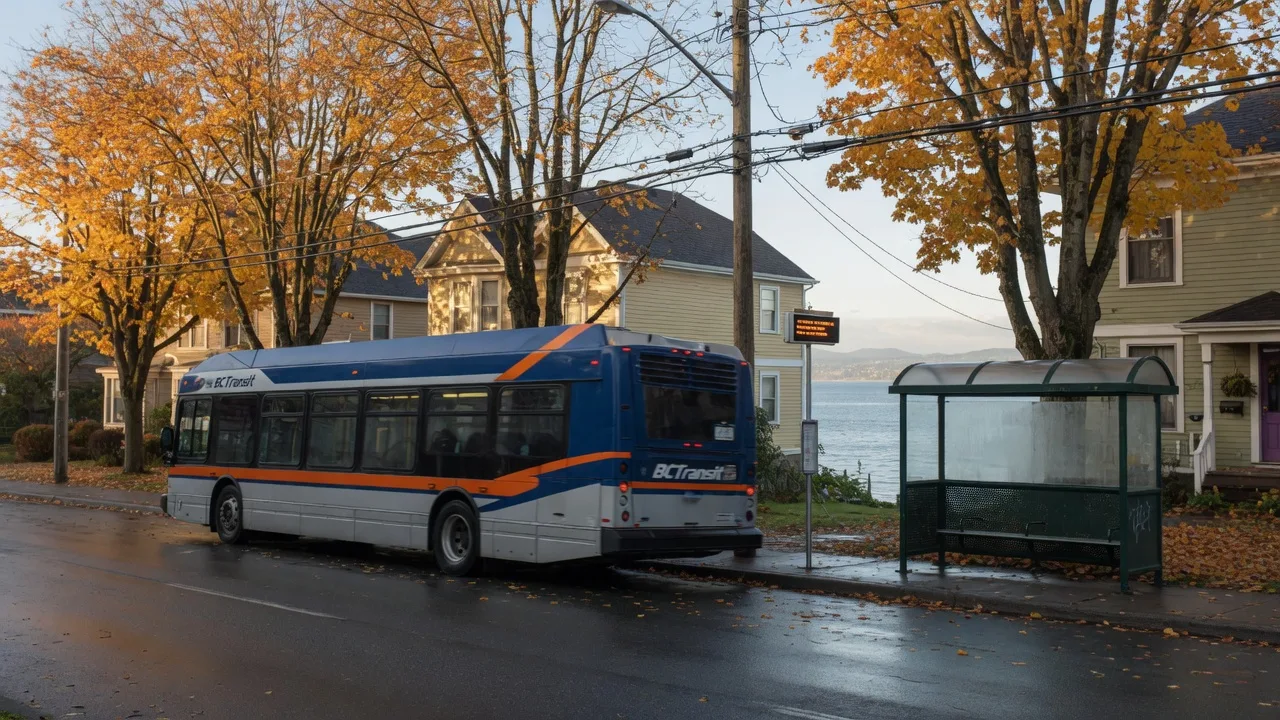
Thousands of seniors in Greater Victoria live rich, active lives without a car. Between BC Transit buses, the handyDART door-to-door service, Taxi Saver vouchers, subsidized bus passes, and walkable neighbourhoods, the region is genuinely well served. If giving up the car, or never owning one in your next home, is part of your downsizing plan, this guide shows you exactly how it works.
Transportation is one of the most practical questions in any housing transition. Where you choose to live shapes how easily you can keep appointments, see friends, shop, and stay connected, which is why it deserves a place in your decision before you buy, not after. The good news is that transportation can be planned, tested, and arranged, and Greater Victoria has more options than most people realize.
Start with where you live
The single biggest factor in car-free living is location. A home within a comfortable walk of a grocery store, a pharmacy, a medical clinic, and a bus route changes everything. Neighbourhoods and buildings across Greater Victoria differ a great deal on this measure, from the walkable cores of Victoria and Oak Bay to transit exchanges in Langford, Saanich, and Sidney.
When you evaluate a building or community, ask four questions:
- How close is the nearest bus stop, and how often do buses run?
- Can I reach my grocery store, pharmacy, bank, and doctor without a car?
- Is the route to the stop level, lit, and safe in winter weather?
- What happens if the weather turns or my mobility changes?
Our guides to walkability across Greater Victoria and the best neighbourhoods for downsizers compare these details community by community, including Victoria, Oak Bay, Saanich, Langford, Colwood, and Sidney.
BC Transit buses: the backbone of the system
The Victoria Regional Transit System covers the whole region, from downtown Victoria and Oak Bay through Saanich and the Peninsula to Langford, Colwood, Sooke, and the West Shore, with major exchanges at places like downtown, Uptown, the University of Victoria, and the West Shore. Buses kneel at stops, most have ramps, and drivers expect to help.
Fares at the time of writing: a single ride is $3.00, a DayPASS is $6.00, a book of 10 tickets is $30, an adult 30-day pass is $85, and the senior and student monthly pass is $45. Children 12 and under ride free. You can pay with exact cash, a reloadable Umo card, or the Umo app, which also lets you plan trips. Fares are reviewed periodically, so check BC Transit Victoria for current pricing and routes.
If you are 65 or older, ask about the concession monthly pass, which saves significantly over a full-price pass. And if your income is limited, the provincial BC Bus Pass program offers a heavily subsidized annual pass, around $45 a year, for eligible low-income seniors aged 60 and over and for people with disabilities. It is valid on regular buses, and it removes the cost barrier almost entirely.
handyDART: door-to-door accessible transit
For people whose disability or health condition makes regular buses difficult, handyDART is BC Transit's shared, door-to-door, accessible service. It operates throughout the Victoria region and is designed for riders who cannot safely use fixed-route buses without assistance, whether the limitation is physical, sensory, or cognitive.
Three things matter about handyDART:
- Eligibility is functional, not medical. You qualify based on your ability to use regular transit, not on a diagnosis or your age. BC Transit's mobility specialists assess each application, which you complete free of charge with an application form and, in some cases, a health professional's verification.
- You book your trips. Registered riders book door-to-door rides up to 14 days ahead by phone or online, and a ride home, shopping trip, or appointment gets picked up and returned. Cancellations are easy, and your attendant rides free when identified.
- Fares match the buses. handyDART rides cost the same as a regular single ride, about $3.00, with the same pass options. That makes it remarkable value for a door-to-door service.
Registration takes a little paperwork and a short assessment, but it is free, and it opens up both handyDART and the Taxi Saver program. Start before you need it: if you are planning a move, registering now means the service is ready whenever you want it. Full details, including phone numbers and the application form, are on BC Transit's handyDART page.
Taxi Saver vouchers
Permanently registered handyDART riders can also order Taxi Saver vouchers, which cover 50 percent of the cost of a taxi ride with participating companies. They are the practical answer for the trips handyDART cannot cover, such as an early appointment or an evening event. You order sheets of vouchers in advance by mail from BC Transit, and you pay the rest of the fare directly to the driver. If you need a wheelchair-accessible taxi, the company can arrange one.
Between handyDART, Taxi Saver, and family and friends, most regular riders build a complete transportation picture quite quickly. It is worth getting the forms in early, because the registration and first voucher order both take a little time.
Taxis, ride-hailing, and volunteer driver programs
Greater Victoria has traditional taxi companies with wheelchair-accessible vehicles, and ride-hailing apps have operated in the region for several years, giving you another on-demand option from your phone. For seniors who have never used them, most services are happy to help a family member set up an account in advance, so a ride is one tap away when needed.
There are also community-based transportation services across the region: some municipalities and non-profits run volunteer driver programs and community shuttles for seniors, especially on the Peninsula, in the West Shore, and in the rural communities like Sooke, Metchosin, and the Highlands. The Office of the Seniors Advocate of BC maintains a transportation options guide for seniors that pulls the regional programs together, a genuinely useful starting point when you are planning.
Walking, rolling, and the trails
A good share of daily life needs no vehicle at all. Groceries on foot, morning coffee with neighbours, a walk by the water, a visit to the community centre, all of it becomes the ordinary rhythm of your week. Greater Victoria also has some of the loveliest recreational trails in the province, including the Galloping Goose and Lochside regional trails, which connect communities through safe, level, car-free pathways. Walking and rolling a bike or mobility device along them is both exercise and connection.
If you use a walker or a scooter, look for a building with level entry, an elevator, and covered parking for your mobility device. These details matter more in daily life than almost anything on a floor plan, and they are the same features that help you age in place comfortably in your new smaller home.
Planning the move around transportation
If being car-free, or simply being less car-dependent, is your goal, build the plan before you buy:
- Test the route. Before you commit to a building, ride its bus routes at the times you would actually travel: grocery day, medical appointments, visits to family. A 10-minute wait reads differently in December rain than in July sun.
- Map your three anchors. Grocery, pharmacy, and primary care. If all three are reachable without a car, everything else gets easier.
- Keep a car? Downsize it. Many downsizers keep one vehicle while they adjust, then sell it once the routine is proven. If you move to a walkable area, a vehicle becomes a once-a-week tool rather than a necessity, and one of the highest costs of homeownership, car ownership, shrinks dramatically.
- Plan for winter and for change. Ask what the bus service looks like on holidays and in poor weather, and how you would manage if your mobility changed. The answer is usually handyDART, Taxi Saver, or a community service, but know it before you need it.
Giving up the car caringly
For many people, letting go of the car is harder emotionally than letting go of the house, because the car represents independence. The gentlest approach is to build the replacement routine first and the car removal second: arrange your new transit options, trial the bus routes, keep the car in the driveway while you adjust, and let the new rhythm prove itself. When you are ready, our guide to helping an aging parent stop driving has compassionate, practical advice for the transition, whether it is your own decision or a family conversation.
And stay social once you settle in: staying connected is easier in Greater Victoria than almost anywhere, with seniors' centres, community associations, and neighbourly streets throughout the region. Transportation is the means; the community is the point.
Frequently asked questions
How much does the bus cost for seniors in Victoria?
A single ride is $3.00, and the senior monthly pass is $45 (at the time of writing). Seniors also pay concession fares on tickets. Children 12 and under ride free. BC Transit reviews fares periodically, so check the current rates on its website.
How do I register for handyDART in Greater Victoria?
Complete the free handyDART application on BC Transit's website, with a medical verification form if requested. BC Transit's mobility specialists assess your ability to use regular transit, not your diagnosis, then contact you about your travel options. Once registered, you book rides by phone or online up to 14 days in advance.
Is handyDART free?
No, handyDART fares are the same as regular bus fares, about $3.00 a single ride at the time of writing, with pass options available. An attendant travelling with a registered rider rides free.
Does the BC Bus Pass work on handyDART?
The subsidized BC Bus Pass is valid on regular buses but not on handyDART. handyDART has its own registered-rider fares. Taxi Saver vouchers are the companion subsidy for handyDART-registered riders who need a taxi when handyDART cannot cover a trip.
Can I take my walker or scooter on the bus?
Yes. Greater Victoria buses kneel, have ramps, and provide securement space for mobility devices including scooters and wheelchairs. Tell the driver when you board, and they will help you secure the device safely.
What are the best neighbourhoods in Greater Victoria to live without a car?
The walkable cores of downtown Victoria and Oak Bay village, along with areas near major transit exchanges in Saanich, Langford, and Sidney, tend to offer the strongest car-free living. The right choice depends on where your family, doctors, and daily needs are, so compare local walkability and transit before you decide.
Choosing a home that fits your life without a car
Where you live decides how easy your daily life will be, and transportation should be part of every home search. I can help you compare buildings and neighbourhoods across Greater Victoria for walkability, transit, and the lifestyle you want, so your next home supports your independence for years to come. Helping people confidently navigate one of life's biggest housing transitions is what I do every day.
Let's Talk About Andrew Holenchuk
Andrew is Team Leader of Victoria Property Group at eXp Realty and has been helping people buy and sell homes throughout Greater Victoria since 2006. Together with his team, they have facilitated more than $1 billion in real estate sales while helping families navigate downsizing, estate transitions, and housing moves. This article is general information only and not a substitute for professional financial, legal, or real estate advice for your specific situation.