
Aging in Place: Home Modifications for Safety and Comfort

Andrew Holenchuk
Victoria Property Group · eXp Realty
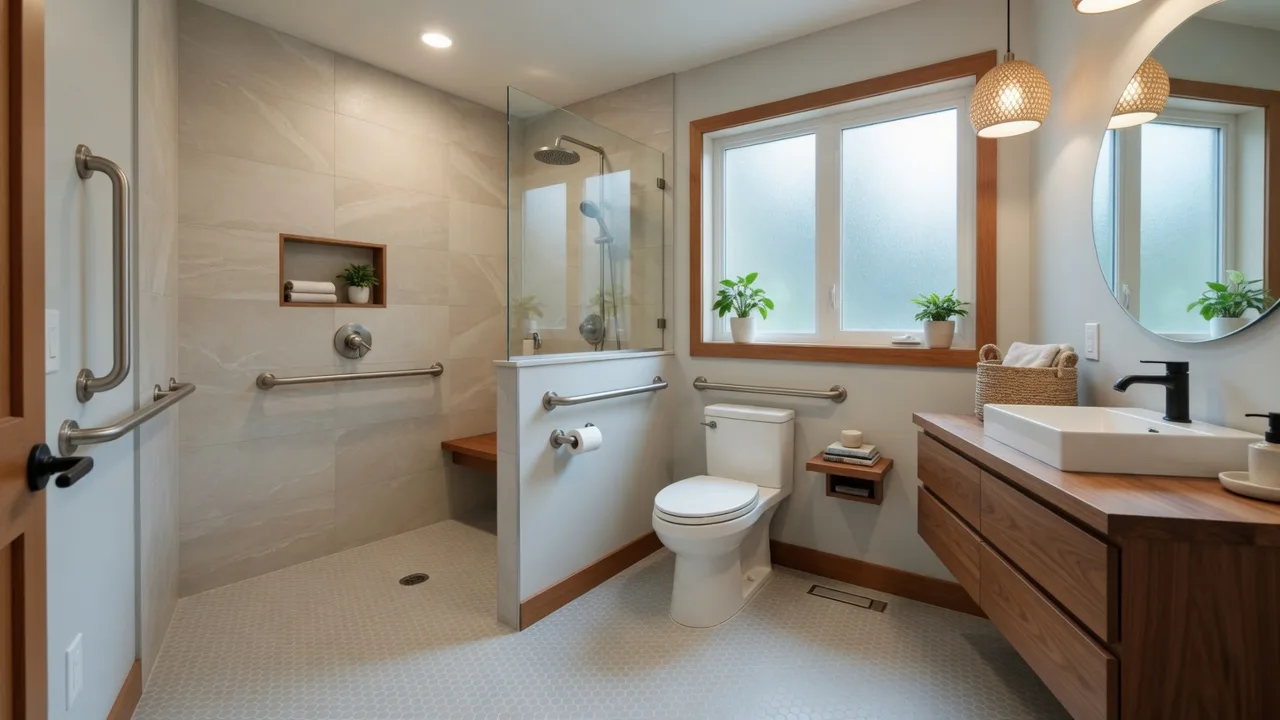
Not everyone who's thinking about downsizing is ready to move. Many homeowners in Greater Victoria love their home, their neighbourhood, and their community — they just need their house to work better for where they are in life. That's where aging in place comes in: making thoughtful modifications to your home so it stays safe, comfortable, and functional as your needs evolve.
The goal of aging in place isn't to turn your home into a medical facility. It's to make small, strategic changes that preserve your independence, reduce your risk of injury, and let you stay in the home you love for as long as it makes sense. Here's how to approach it — from the highest-impact modifications to the long-term planning that matters most.
What does "aging in place" actually mean?
Aging in place means living in your own home safely, independently, and comfortably as you grow older — regardless of your age, income, or ability level. It doesn't mean refusing help or pretending your needs aren't changing. It means planning ahead so your home adapts with you, rather than forcing a crisis-driven move later.
For many Victoria homeowners, this is the preferred path. Greater Victoria's mild climate, strong healthcare system, and vibrant communities make it an excellent place to age in place — if your home is set up to support you.
The bathroom: where safety matters most
Falls are the leading cause of injury among Canadian seniors, and the bathroom is the most common place for falls in the home. Wet floors, slippery surfaces, and awkward movements make this room the highest priority for safety modifications. Here's what to consider:
- Walk-in shower or curbless shower: Replacing a bathtub with a walk-in shower eliminates the single biggest fall risk in the bathroom. A curbless (zero-entry) shower has no lip to step over, making it accessible for all mobility levels. In Greater Victoria, this renovation typically costs $5,000–$15,000 depending on scope.
- Grab bars: Installing properly anchored grab bars near the shower, toilet, and bathtub is one of the simplest and most effective safety upgrades. Modern grab bars are sleek and available in finishes that blend with your décor — they don't have to look institutional. Professional installation ensures they're anchored to wall studs, not just drywall. Budget $200–$500 for professional grab bar installation.
- Comfort-height toilet: A standard toilet is about 15 inches tall; a comfort-height model is 17–19 inches. That extra few inches makes sitting down and standing up significantly easier. Cost: $300–$600 installed.
- Non-slip flooring: Replace slick tiles with textured, slip-resistant flooring. Materials like textured porcelain, cork, or rubber-backed vinyl provide traction without sacrificing appearance. Cost varies by material, but expect $5–$15 per square foot installed.
- Handheld showerhead: A handheld showerhead on a sliding bar allows you to shower sitting or standing and makes the shower far more flexible. Cost: $100–$300.
- Better lighting: Bright, even lighting reduces fall risk dramatically. Add LED recessed lights, night lights with motion sensors, and light switches at both entry and exit points. Cost: $200–$800 for a professional lighting upgrade.
The kitchen: function and safety together
The kitchen is where you spend the most time, and small changes can make a big difference in daily comfort and safety:
- Adjustable-height countertops or pull-down shelves: If you use a wheelchair or have limited mobility, adjustable countertops let you work at a comfortable height. For most homeowners, pull-down shelf systems and lazy Susans in cabinets eliminate the need to reach or bend deeply.
- Lever-style faucets: Replace twist knobs with lever handles that are easier to operate with limited hand strength or arthritis. Cost: $150–$400 per faucet.
- Under-cabinet lighting: LED strip lighting under upper cabinets illuminates your workspace and reduces shadows. Cost: $50–$200 for a quality system.
- Side-opening oven and wall-mounted microwave: These eliminate the need to lift heavy dishes from a low oven. Cost: $1,500–$3,000 for the appliances.
- Soft-close drawers and pull-out shelves: These reduce the need to reach into deep cabinets and prevent slamming. Cost: $100–$300 per cabinet upgrade.
Entry and exit: getting in and out safely
Your front door, back door, and garage entry are critical points for maintaining independence:
- Ramp or zero-step entry: A ramp at the main entrance eliminates the step that many homes have at the front door. Modular aluminum ramps cost $1,000–$3,000; a permanent concrete or wood ramp costs more but integrates with the home's design. For a more subtle approach, a zero-step entry can be designed into a renovation.
- Wider doorways: Standard interior doorways are 28–30 inches wide. Widening to 36 inches accommodates a walker or wheelchair if needed. This is a more involved renovation but can be done strategically — focus on the main entry, bathroom, and bedroom doors first.
- Power-assisted door openers: Automatic door openers can be installed on main entry doors for $500–$1,500, allowing you to enter and exit with a button press or voice command.
- Improved exterior lighting: Motion-sensor lights, well-lit pathways, and visible house numbers help you and anyone visiting navigate safely, especially during Victoria's darker winter months.
Stairs and levels: planning for the inevitable
For many homeowners, stairs become the deciding factor in whether to stay or move. If your home has multiple levels, here are options to consider:
- Stair lift (chair lift): A motorized chair that travels along a rail mounted to your staircase. Modern models are compact, rechargeable, and fold out of the way when not in use. In Greater Victoria, stair lift installation typically costs $5,000–$15,000 depending on the staircase length and complexity.
- Home elevator or lift: Residential elevators have become more affordable and compact in recent years. A basic residential elevator costs $20,000–$40,000 installed, but some models fit into closets or small spaces. This is a significant investment but can add considerable value and extend your time in the home.
- Downstairs living conversion: If your home has a ground-floor bedroom or space that can be converted, creating a main-floor living suite with bedroom, bathroom, and kitchen access eliminates the need to use stairs daily. This is one of the most practical long-term strategies for aging in place in a multi-level home.
Lighting and smart home technology
Good lighting is one of the most underrated safety features in any home. As we age, our eyes need more light to see clearly, and reduced contrast sensitivity makes shadows and uneven surfaces more dangerous. Smart home technology can enhance both safety and convenience:
- Motion-sensor lighting: Automatic lights in hallways, bathrooms, and stairwells ensure you never walk through a dark space. Cost: $20–$50 per fixture.
- Smart thermostats: Programmable thermostats that learn your schedule and adjust automatically save energy and keep your home comfortable without manual adjustment.
- Video doorbells and smart locks: See who's at your door and unlock it remotely — helpful if mobility is limited or if you have regular caregivers or family visitors.
- Medical alert systems: Wearable or home-based systems that connect you to emergency services with the push of a button provide peace of mind for you and your family. Many modern systems include fall detection.
- Automated medication dispensers: For those managing multiple medications, automated dispensers with reminders help maintain consistent medication schedules.
How much do aging-in-place modifications cost?
The cost of modifications varies widely depending on your home's current condition and the scope of changes. Here's a general overview:
- Basic safety upgrades (grab bars, lighting, non-slip flooring, lever faucets): $1,000–$5,000
- Bathroom renovation (walk-in shower, comfort-height toilet, updated fixtures and lighting): $5,000–$20,000
- Entry accessibility (ramp, wider doorways, power door openers): $2,000–$8,000
- Stair lift installation: $5,000–$15,000
- Kitchen modifications (accessible cabinets, adjustable countertops, updated appliances): $5,000–$25,000
- Full home modification package: $15,000–$50,000+
These costs should be weighed against the cost of moving. If your home is otherwise well-suited to your needs, a $15,000–$25,000 investment in strategic modifications may be far more economical — and emotionally comfortable — than a full downsizing move.
When aging in place isn't the right answer
Aging in place is a wonderful goal, but it's not always the right choice. Here are signs that a move may serve you better than modifications:
- Your home has significant structural issues (foundation, roof, electrical) that need major investment regardless of accessibility.
- You need daily care or medical support that a private home cannot practically provide.
- Your social circle has moved away and you feel isolated in your current neighbourhood.
- The modifications required would exceed the value or practicality of staying.
- You're spending more time and money on home maintenance than you can comfortably manage.
The important thing is to make this decision proactively — with full information and clear eyes — rather than waiting for a health event to force the choice. That's where honest conversations with family and a trusted advisor make all the difference.
BC resources for aging-in-place modifications
Several programs and organizations in British Columbia can help homeowners plan and fund aging-in-place modifications:
- BC Housing: Offers the Home Adaptations for Independence (HAFI) program, which provides financial assistance for accessibility modifications for qualifying low-income homeowners and renters.
- Saanich, Victoria, and other municipalities: Some local governments offer grants, forgivable loans, or property tax exemptions for accessibility modifications. Check with your municipality's planning department for current programs.
- BC Renovation Rebate Program: Offers rebates for energy-efficient and accessibility upgrades in existing homes.
- Occupational therapists: A registered occupational therapist can assess your home and recommend specific modifications tailored to your needs. In Greater Victoria, OT services are available through Island Health and private practice.
- BC Building Code considerations: Major renovations may require permits. Consult with a licensed contractor who understands both the BC Building Code and accessibility best practices.
Planning ahead: the best time to modify is before you need to
The most successful aging-in-place stories I've seen involve homeowners who planned ahead. Making modifications while you're healthy and mobile allows you to make thoughtful choices, compare options, and do the work without the pressure of an urgent timeline. Waiting until after a fall, hospitalization, or health scare limits your options and often results in more expensive, less elegant solutions.
If you're in your 50s, 60s, or 70s and your home is working well for you, now is the ideal time to think about what might need to change in the next 5–10 years. Even small, inexpensive updates today — like adding grab bars, improving lighting, or installing lever handles — can make a meaningful difference later.
Not sure whether to modify or make a move?
I help Greater Victoria homeowners weigh their options — from aging-in-place modifications to downsizing transitions — with honest, practical guidance. Every situation is different, and the right answer depends on your home, your health, your goals, and your family.
Let's Explore Your OptionsFrequently asked questions
What is the most important home modification for aging in place?
Bathroom safety modifications are the highest priority. Replacing a bathtub with a walk-in shower, adding grab bars, installing non-slip flooring, and improving lighting dramatically reduces fall risk. Falls are the leading cause of injury among Canadian seniors, and the bathroom is the most common location for home falls.
How much does it cost to age in place in Victoria?
Basic safety upgrades — grab bars, lighting, non-slip flooring, and lever handles — typically cost $1,000–$5,000. A comprehensive bathroom renovation runs $5,000–$20,000. Stair lifts cost $5,000–$15,000. Full home modification packages can range from $15,000 to $50,000 or more, depending on scope. These costs are usually significantly less than the expense of moving and purchasing a new home.
Are there government grants for home accessibility modifications in BC?
Yes. BC Housing's Home Adaptations for Independence (HAFI) program provides financial assistance for accessibility modifications to qualifying homeowners and renters. Some Greater Victoria municipalities also offer forgivable loans or grants for accessibility work. Contact BC Housing or your local municipal planning department for current eligibility and application details.
At what age should I start planning for aging in place?
The best time to plan is while you're healthy and mobile — typically in your 50s or 60s. Early planning allows you to make thoughtful, affordable modifications over time rather than emergency changes after a health event. Even simple updates like improved lighting, lever door handles, and grab bars can be done early and provide years of benefit.
Can I sell my home and downsize if aging-in-place modifications aren't enough?
Absolutely. In fact, understanding your aging-in-place options often helps clarify whether staying or moving is the better choice. If the modifications required are extensive, expensive, or impractical, downsizing to a more accessible home — a condo, townhome, or bungalow — may provide greater safety, comfort, and peace of mind. A trusted advisor can help you compare both paths with real numbers and honest assessment.
Written by Andrew Holenchuk, Team Leader of Victoria Property Group at eXp Realty. Since 2006, Andrew has been helping homeowners in Greater Victoria navigate one of life's biggest housing transitions with confidence. With more than $1 billion in facilitated sales, he brings deep local expertise and genuine care to every client relationship.