
Staying Connected After Downsizing: Building Community and Avoiding Isolation in Greater Victoria

Andrew Holenchuk
Victoria Property Group · eXp Realty
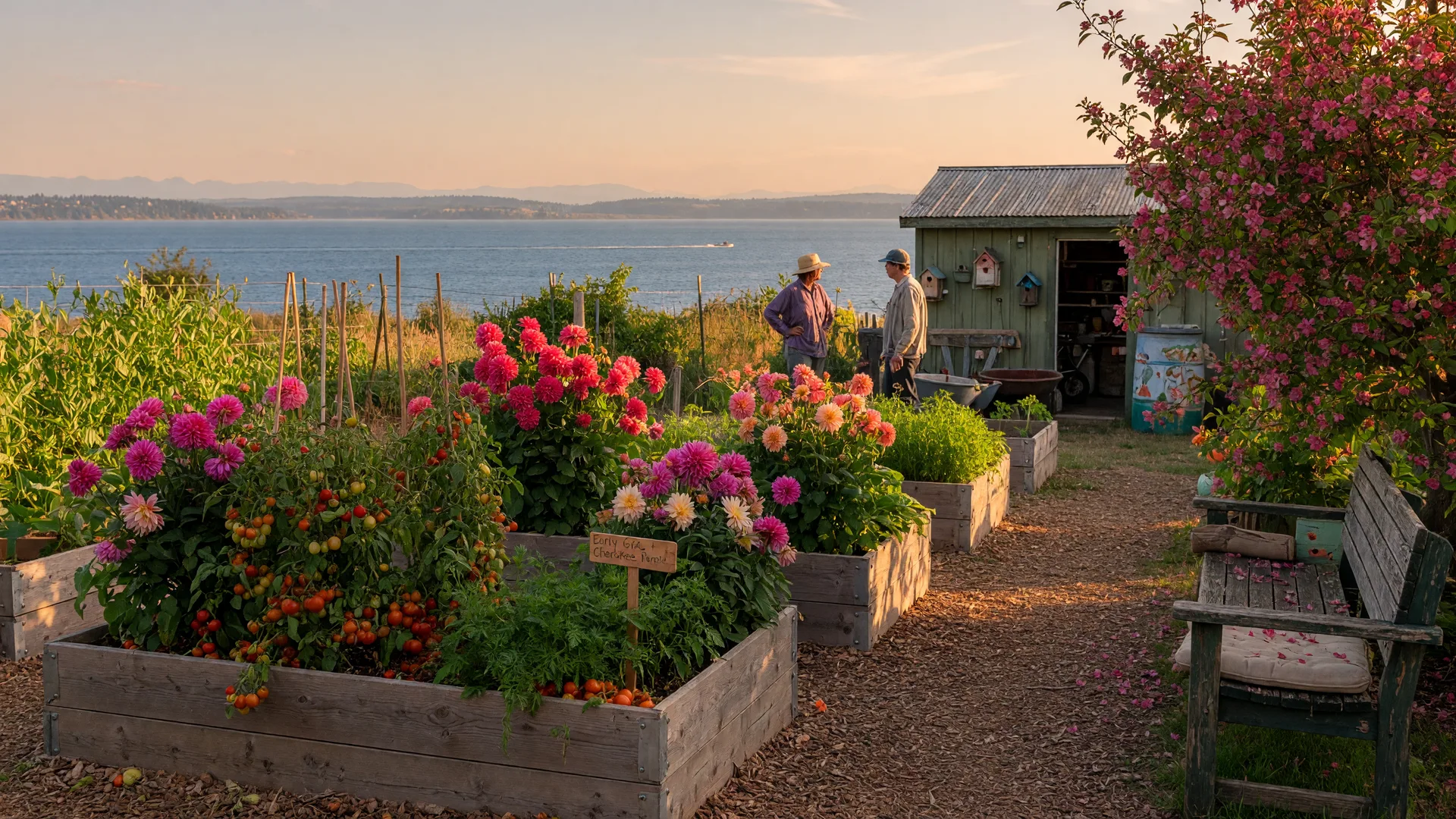
When families plan a downsizing move, they usually think about square footage, stairs, strata fees, and timelines. What they often don't plan for is the social side of the transition: the fact that a move can quietly loosen the connections that kept life full, the neighbours you waved to, the walking group, the familiar faces at the library. Social connection isn't a nice-to-have after a housing transition. For many people it's the difference between a new chapter that feels like freedom and one that feels like isolation. This guide looks at how to choose a home that supports connection, how to build community in the first months after you move, and where to find welcoming groups across Greater Victoria.
Whether you're moving from a family house in Saanich to a condo in Victoria, from Oak Bay to a townhome in Sidney, or helping a parent settle into a new community, the habits and resources below are practical, local, and within reach. A smaller home can actually be a doorway to more connection, not less, if you plan for it.
Why connection deserves a place in your downsizing plan
A move changes more than your address. It changes your routines, and routines are often what keep us connected: the morning walk that passes a familiar bench, the weekly coffee with a neighbour, the chat at the community centre. When those routines disappear at once, it's easy to find yourself spending more time alone than you expected, especially if you've moved from a house where neighbours were close to a building where you don't yet know anyone.
Loneliness is not a small thing. It's associated with poorer health, lower mood, and a slower recovery from illness, and it tends to creep in slowly rather than announce itself. The good news is that connection is also something you can deliberately build. People who treat their social life as part of the downsizing plan, not an afterthought, consistently report that their new home becomes a hub for the people and activities they care about.
Choosing a home that supports connection
The best time to plan for connection is before you choose your next home. Location and building design shape how easy it is to stay involved, so it's worth adding a few questions to your search:
- How walkable is the neighbourhood? Can you walk to a grocery store, a pharmacy, a café, and a community centre without a car? Walkable areas naturally create daily contact with other people.
- Is there transit nearby? Good bus access keeps you independent and connected if driving becomes difficult. In Greater Victoria, BC Transit serves the whole region, and many seniors use transit to reach community centres and appointments.
- Does the building have common spaces? A lounge, a garden, a rooftop terrace, or a shared courtyard gives neighbours a reason to cross paths. Buildings with active common areas tend to have friendlier communities.
- Are there community amenities close by? A recreation centre, library branch, or senior centre within walking distance makes joining in an easy decision rather than a planned expedition.
- Is it pet-friendly? If you have a dog, you already know that dogs are social magnets. A pet-friendly building and nearby parks make it easy to meet people on your daily walk.
These questions matter in every part of Greater Victoria. Victoria and Oak Bay offer walkable, village-style living. Sidney has a strong sense of community and a compact downtown. Saanich has recreation centres and seniors' programs spread across its neighbourhoods. Langford and Colwood have newer buildings with modern common areas and growing community amenities. Even in quieter communities like Metchosin, Highlands, or Shawnigan Lake, connection tends to come through local groups and community halls rather than street life, so the right home depends on how you like to connect.
The first weeks: small gestures that build a social life
The first month in a new home is the window when neighbours are most open to meeting you, and when you're most likely to feel the absence of old routines. A few simple habits can turn that window into lasting connections:
- Introduce yourself early. A short hello to neighbours on your floor or street, with your name and unit number, breaks the ice before awkwardness has time to set in.
- Say yes to building life. Attend the strata's annual general meeting, the building's holiday gathering, or a work party in the garden. These events are where building communities are actually formed.
- Use the common spaces. Have your coffee in the lounge, read on the terrace, walk the grounds. Presence is what makes you recognizable, and recognizable is what makes you approachable.
- Take a class in the first season. Signing up for something in your first three months, before you "get settled," makes joining part of the move rather than something you keep postponing.
- Keep one old anchor. Maintain one connection from your old life, a weekly call, a monthly lunch, a card game, so the transition doesn't feel like a clean break from everyone you knew.
Community resources across Greater Victoria
Greater Victoria has a rich network of seniors' centres, recreation programs, and community organizations, and most of them are welcoming to newcomers at any age. A few of the well-established ones:
- Silver Threads runs activity centres in Victoria and Saanich, including the Victoria Centre on Quadra Street, the Cook Street Village Activity Centre, and the Saanich Centre at the Les Passmore Seniors Activity Centre on Hampton Road. Programs include fitness, arts, dance, book clubs, and social events for people 55 and older.
- Monterey Recreation Centre in Oak Bay is a community hub for adults 50 and older, with fitness classes, arts and crafts, lifelong learning, and social events, with member pricing on daytime programs.
- Goward House in Saanich is a 55+ activity centre offering recreation, social events, and volunteer opportunities.
- The SHOAL Centre for Seniors in Sidney, run by Beacon Community Services, offers activities, a café, volunteer roles, and wellness programs across the Saanich Peninsula.
- Juan de Fuca 55+ Activity Centre in Langford, under West Shore Parks & Recreation, serves the Westshore with senior-focused programs and social events.
- Central Saanich Seniors Centre is a volunteer-run centre for active living and lifelong learning, serving the Peninsula from Royal Oak to Sidney.
Beyond the centres, the Saanich Older Adults recreation programs include guided walks like Trails & Treks, and every Greater Victoria Public Library branch hosts free programs and groups. If you're not sure where to start, a friendly phone call to the centre nearest your new home is usually all it takes.
Volunteering: connection with purpose
Volunteering is one of the most reliable ways to meet people and feel useful in a new community, and Greater Victoria has no shortage of ways to help. Organizations like Beacon Community Services and Seniors Serving Seniors connect volunteers with roles across the region, from driving seniors to appointments to helping with community meals. Community gardens, food banks, hospital auxiliaries, and neighbourhood associations all welcome volunteers, and many people find that giving their time is also the fastest way to build a circle of friends.
If you're moving to be closer to family, volunteering can also balance the relationship: it gives you a life of your own in your new community rather than waiting for visits. And if you're helping a parent downsize, encouraging them to choose one volunteer commitment in their first months can do more for their wellbeing than any amount of furniture arranging.
Staying connected when getting out is harder
Not every season of life makes it easy to walk to a community centre. If mobility, health, or weather keeps you home more, connection can still be built and maintained:
- Technology bridges distance. Video calls with family, a neighbourhood Facebook group, or a weekly online class can keep you in the loop from your living room.
- Phone friendships count. A scheduled weekly call with a friend or sibling is a real connection, and it's worth protecting like any other appointment.
- Home-based help brings people in. Home care, meal delivery, and grocery delivery services put regular, friendly faces in your home and can be a lifeline for someone living alone.
- Neighbours matter most when you're homebound. Letting a trusted neighbour know you'd welcome a visit, or a call if they're heading to the store, is a practical kindness that often becomes a friendship.
If you're planning a downsizing move with an eye to the future, choosing a home near services, transit, and community amenities is one of the best investments you can make in your long-term connection. It's easier to stay involved when involvement is a short walk away.
How location shapes your social life
Different Greater Victoria communities support connection in different ways, and it helps to match the style of connection to the place:
- Victoria and Oak Bay offer walkable streets, cafés, and cultural life, ideal for people who make friends through daily outings and classes.
- Sidney and North Saanich have a strong small-town feel, a compact waterfront downtown, and a well-developed seniors' community.
- Saanich spreads connection across its neighbourhoods, with recreation centres, libraries, and seniors' programs close to most homes.
- Langford, Colwood, and View Royal are growing quickly, with new community amenities and a younger mix of neighbours, which can be energizing for active downsizers.
- Sooke, Metchosin, and Highlands offer nature and quiet, where connection tends to happen through local groups, community halls, and volunteer networks rather than street life.
- Shawnigan Lake, Mill Bay, Cobble Hill, and Duncan in the Cowichan Valley have close-knit communities where newcomers are often welcomed warmly through churches, clubs, and community events.
The honest question to ask yourself is not "which place has the most activities" but "which place makes it easy for me to do the things I already love with other people." A home near the things that matter to you is a home that keeps you connected.
Frequently asked questions
Is social isolation common after downsizing?
It can happen, especially in the first year after a move, when old routines are gone and new ones haven't formed yet. But it's not inevitable. People who plan for connection, by choosing a sociable home, joining groups early, and keeping one anchor from their old life, usually find their social circle grows rather than shrinks after downsizing.
What should I look for in a condo building to stay socially active?
Look for common spaces like a lounge, garden, or rooftop terrace, an active strata community, and proximity to walkable amenities. Ask about building events and how often neighbours gather. A building where people use the common areas is a building where friendships form naturally.
How do I meet people in a new neighbourhood in Greater Victoria?
Start with the places you'll already be: your building, the local library, the recreation or seniors' centre, and any walking or hobby groups you enjoy. Volunteering is another fast route to connection. The key is to join one thing in your first three months rather than waiting until you feel settled.
Are there seniors' centres near Victoria and Saanich?
Yes. Silver Threads runs centres in Victoria (Quadra Street and Cook Street Village) and Saanich (Les Passmore on Hampton Road), and Goward House is another Saanich 55+ centre. Oak Bay's Monterey Recreation Centre, Sidney's SHOAL Centre, and Langford's Juan de Fuca 55+ Activity Centre serve their communities as well. Most welcome newcomers at any time.
How can I help my parent stay connected after they downsize?
Encourage them to choose one activity or volunteer role in their first months, help them meet neighbours early, and set up a regular call or visit rhythm. If they're less mobile, home care and delivery services bring friendly faces into their home. The goal is to help them build a life in the new community, not just a home in it.
Looking for a home that will keep you connected?
Choosing the right home for your next chapter is about more than square footage. I'd love to help you find a place in Greater Victoria where you'll feel at home, and connected, from day one. Helping people confidently navigate one of life's biggest housing transitions is what I do every day.
Let's Talk About Andrew Holenchuk
Andrew is Team Leader of Victoria Property Group at eXp Realty and has been helping people buy and sell homes throughout Greater Victoria since 2006. Together with his team, they have facilitated more than $1 billion in real estate sales while helping families navigate downsizing, estate transitions, and housing moves.