
Who Pays the Bills While the Estate Home Is Being Sold? Carrying Costs for Executors in BC

Andrew Holenchuk
Victoria Property Group · eXp Realty
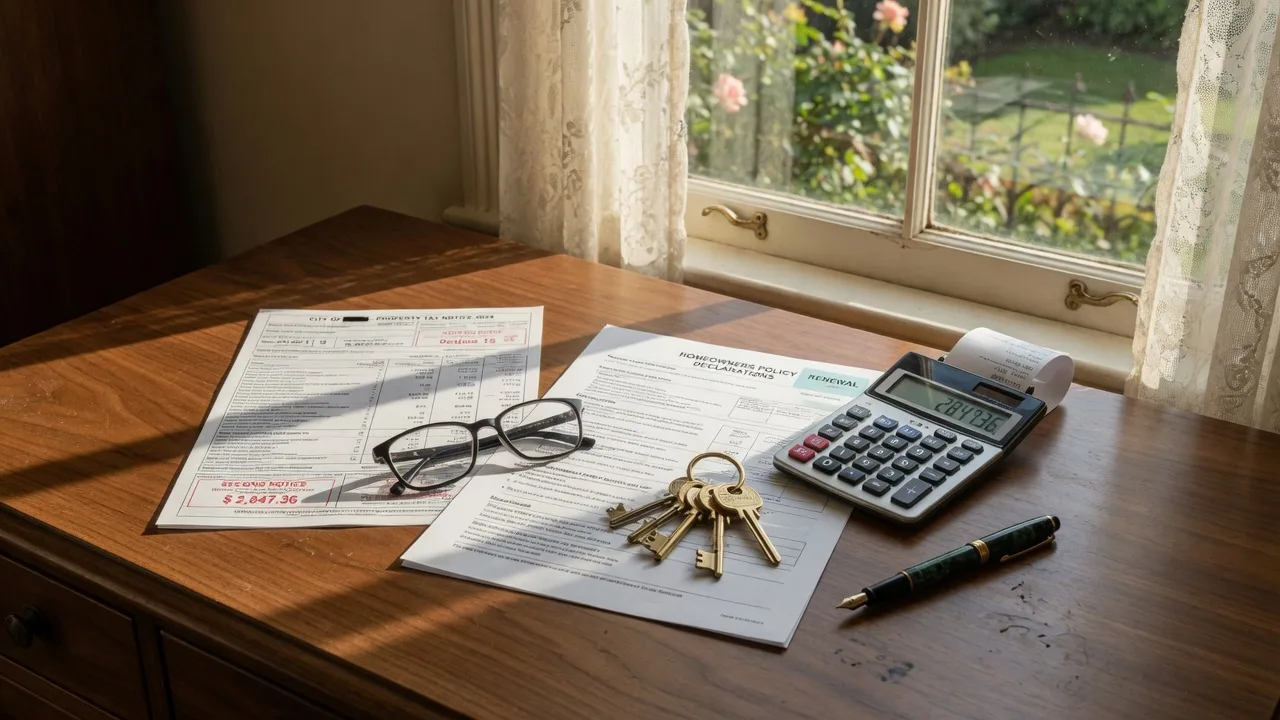
When a loved one dies, the family home does not stop costing money. Property taxes, insurance, utilities, and maintenance keep arriving month after month, and someone has to cover them while the estate is being administered and the home is prepared for sale. For executors in British Columbia, understanding these carrying costs and where they are paid from is an essential part of the job.
This article explains what carrying costs look like for an estate home in Greater Victoria, who pays them, and how they are accounted for when the estate is settled. It is general information, not legal or tax advice, and every estate is different, so the guidance here should be read alongside advice from the estate lawyer and accountant working on your specific situation.
Why carrying costs matter for an estate
An estate is a collection of assets and debts, and the home is usually the largest asset in it. But the home is not worth its sale price until the day it closes. Between the date of death and the completion of the sale, the estate pays to keep the property, and those payments reduce the net proceeds available to distribute to beneficiaries.
The longer a home sits empty, the more it costs, and the less the family ultimately receives. That is why one of the most useful things an executor can do is understand the costs early, plan for them, and keep the process moving. A clear picture of carrying costs also helps the family set expectations about what the estate will actually distribute.
The estate pays, from the estate's own funds
In BC, the executor is responsible for managing the estate's assets, and carrying costs for the home are estate expenses. They are paid from the estate's funds, not from the executor's own pocket and not from the beneficiaries' accounts. In practice, this usually means the executor opens an estate bank account, keeps careful records of every expense, and pays the property's ongoing bills from that account.
If the estate does not yet have cash to cover these costs, the executor may need to arrange a short-term solution, such as an advance from a beneficiary, a line of credit, or funds from another estate asset. Whatever the arrangement, every dollar spent should be documented, because the executor must account for the estate's finances when it is wound up.
Property taxes keep coming
Municipal property taxes on the home continue to be owed through the estate administration, and they are an estate expense. If the deceased was receiving a senior's grant or a tax deferral on the property, the executor should confirm the status of those programs with the municipality, since they may affect what is owed.
Property taxes are typically pro-rated at the closing of a sale, with the buyer's share adjusted at the lawyer's office, but the estate remains responsible for the taxes that accrue while it owns the home. Checking the municipal tax account early, and including any arrears in the estate's records, prevents surprises at closing. For an overview of how property taxes and grants work in the region, our guide on the BC homeowner grant and property taxes is a helpful reference.
Insurance: do not let it lapse
Home insurance is the one bill an executor should never let lapse, even on an empty property. Standard homeowner policies may not cover a vacant home for long, and most insurers require notification if a home will be unoccupied for more than a set number of days. An uninsured property is a major risk: a burst pipe, a fire, or vandalism in an uninsured estate home can destroy the estate's largest asset.
The executor should contact the deceased's insurer promptly, notify them of the death and the vacancy, and arrange either to keep the existing policy valid or to switch to a vacant-home policy. The cost is a legitimate estate expense, and it is among the most important ones. Our guide on insurance after downsizing covers how coverage changes when a property is being sold or sits empty.
Utilities and services, kept to a minimum
Electricity, gas, and water accounts should be moved into the estate's name and kept at the minimum level needed to keep the home safe and presentable. In Greater Victoria's climate, that usually means keeping heat on during the winter to prevent frozen pipes, keeping water on for fire safety and basic use, and maintaining waste and recycling service if the home is being cleaned out.
Internet and cable can typically be cancelled. Landlines and alarm monitoring should be reviewed, since some systems have contracts and cancellation fees. The executor should keep a running list of every account transferred or cancelled so nothing continues to bill the deceased's estate after the home is gone.
Maintenance and security of an empty home
An empty home needs more attention, not less. Grass grows, gutters fill, snow needs clearing, and an unoccupied property is more attractive to opportunistic theft. The estate should budget for regular checks, seasonal yard care, and basic security, whether that is a neighbour checking in, a property service, or simple steps like having mail collected and lights on a timer.
If the home is a condo or townhome, strata fees continue during the estate administration, and the executor should notify the strata council or property manager of the death and the vacancy. Strata bylaws often have requirements about unoccupied units, and staying in communication avoids fines and misunderstandings. For guidance on clearing the home and preparing it for sale, our guides on preparing an estate home for sale and clearing a family home safely walk through the practical steps.
How long will you be carrying these costs?
The length of time an estate carries a home depends on two things: how long probate takes and how long the sale takes. In BC, probate can take a number of months depending on the complexity of the estate, and the home can usually be listed while probate is underway in many situations, though the executor should confirm the approach with the estate lawyer. Once listed, a sale in the current Greater Victoria market typically closes within a reasonable timeframe if the home is priced and presented well.
The practical takeaway is that carrying costs should be built into the estate's plan from the start. A few months of taxes, insurance, utilities, and maintenance is a predictable cost, not a crisis, provided it is anticipated. Our guide to the probate timeline for selling a home gives a realistic sense of the stages involved.
Reducing the costs, thoughtfully
Executors can keep carrying costs down without cutting corners:
- Move efficiently. The single biggest lever is the length of time the home sits. Clear it, prepare it, and list it on a realistic timeline.
- Price it to sell. In a balanced market, an overpriced estate home simply sits longer, adding months of carrying costs. A current, honest market analysis from a local REALTOR® protects the estate's value.
- Keep only essential services. Cancel what is not needed, and keep utilities at the minimum safe level.
- Shop the insurance. A dedicated vacant-home policy can cost less than letting a standard policy lapse and paying claims out of pocket if something goes wrong.
- Document everything. Every expense the estate pays is tracked and accounted for, which protects both the beneficiaries and the executor.
Tax and accounting notes
Carrying costs are expenses of the estate, and the executor is responsible for keeping the estate's books in order and working with the accountant on the final tax filings. Certain expenses may reduce the estate's taxable income, and the treatment of the home itself, including any capital gain and the principal residence exemption, is handled in the final return. This is an area where professional advice matters, because the rules are specific and the amounts can be significant.
None of this is a substitute for working with the estate lawyer and accountant. The value of understanding the process is that you can ask better questions and keep the estate moving, which is exactly what a good executor does.
Frequently asked questions
Who pays the property taxes on a home after the owner dies?
The estate pays them from the estate's funds while it owns the home. If the deceased was receiving a senior's grant or a tax deferral, the executor should confirm the status with the municipality. Property taxes are typically pro-rated at the closing of the sale, with the buyer's share adjusted at the lawyer's office.
Do I have to keep home insurance on an empty estate property?
Yes, and it is one of the most important things to maintain. Standard policies often limit coverage on vacant homes, so contact the insurer promptly, notify them of the death and vacancy, and arrange a vacant-home policy if needed. An uninsured estate home is a serious financial risk to the beneficiaries.
Can the estate home be listed before probate is complete?
Often yes, but the approach depends on the circumstances and must be confirmed with the estate lawyer. Listing while probate is underway can shorten the time the home sits and reduce carrying costs. The executor must have the authority to act, and the lawyer can confirm the right order of steps for your specific estate.
Are strata fees still owed on a vacant estate condo?
Yes. Strata fees continue while the estate owns the unit, and the executor should notify the strata council or property manager of the vacancy, since many buildings have rules about unoccupied units. Staying in communication avoids fines and keeps the relationship smooth for the eventual sale.
Can an executor be personally on the hook for estate expenses?
In normal circumstances, no: carrying costs are paid from the estate's funds and recorded as estate expenses. Problems arise when an executor pays expenses without proper documentation, or acts outside their authority. Keeping clear records and working with the estate lawyer is the best protection for both the estate and the executor.
Selling a home through an estate in Greater Victoria?
I have helped many families and executors sell estate homes across the Capital Regional District, and I know the process is about carrying the weight carefully as well as pricing and selling well. I can give you a clear, current sense of what the home is worth, how long a sale may take, and what to expect on the path from clearing to closing. It would be a privilege to help.
Let's Talk About Andrew Holenchuk
Andrew is Team Leader of Victoria Property Group at eXp Realty and has been helping people buy and sell homes throughout Greater Victoria since 2006. Together with his team, they have facilitated more than $1 billion in real estate sales while helping families navigate downsizing, estate transitions, and housing moves. Helping people confidently navigate one of life's biggest housing transitions is what he does every day. This article is general information only and not a substitute for professional financial, legal, or real estate advice for your specific situation.