
BC Home Owner Grant and Property Tax Deferment: What Downsizers in Victoria Need to Know

Andrew Holenchuk
Victoria Property Group · eXp Realty
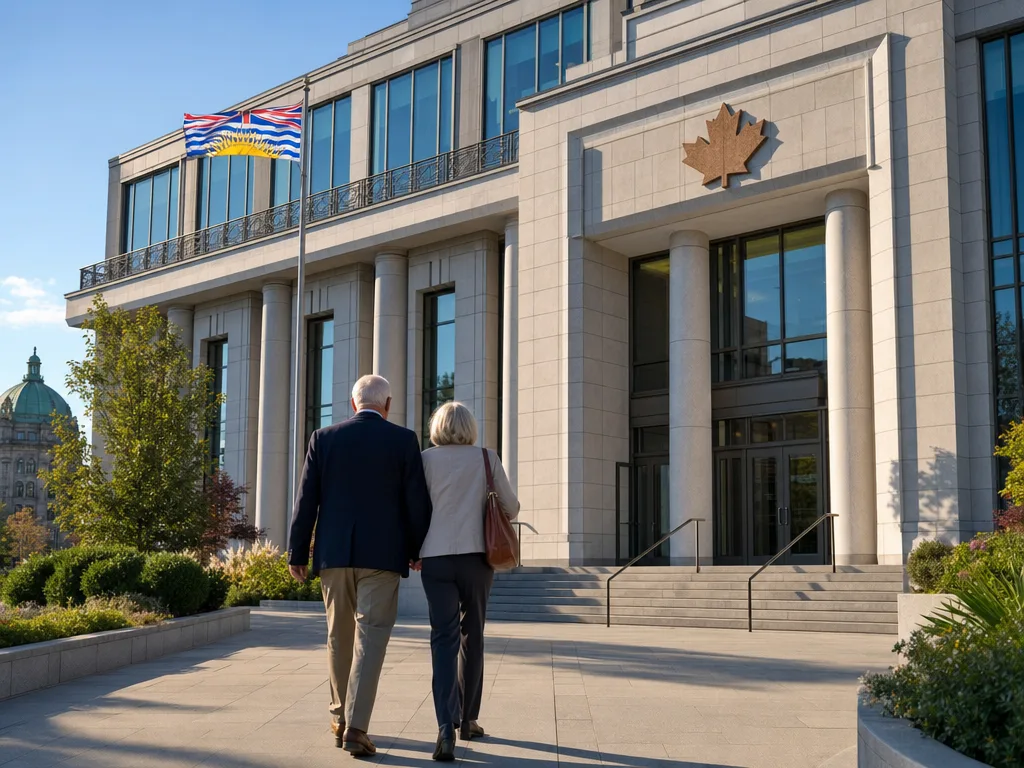
If you own a home in Greater Victoria, you are already familiar with property taxes. What you may not know is that two significant BC government programs could change your financial picture when you downsize. The Home Owner Grant and the Property Tax Deferment Program are valuable tools for homeowners, but how they apply before and after a move is not always straightforward.
Many downsizers assume these benefits follow them automatically to their new home. In some cases they do, but there are important details about eligibility thresholds, application timing, and how the programs interact with a sale. Understanding them before you list your home can help you plan your finances with confidence and avoid unexpected surprises.
This guide explains how both programs work, what changes when you downsize, and what steps to take so you do not miss out on benefits you are entitled to.
What is the BC Home Owner Grant?
The BC Home Owner Grant is a provincial program that reduces the amount of property tax you pay on your principal residence. It is not a rebate or a refund. It is a reduction applied directly to your annual property tax bill. The grant is administered by each municipality, so the rules are consistent across Greater Victoria, but the amounts vary based on regional tax rates.
For the 2026 tax year, the basic Home Owner Grant provides a reduction of $570 on your property taxes if your home is assessed at or below a certain threshold. An additional grant of up to $275 is available for seniors aged 65 and older, veterans, and people with disabilities. The total potential grant for an eligible senior is up to $845 per year.
The grant applies only to your principal residence. You cannot claim it on a second property, a recreational cabin, or a rental property. And you can only claim it on one home per household per year.
How downsizing affects your Home Owner Grant
Here is where many downsizers encounter a surprise. When you sell your family home and purchase a new smaller home, your Home Owner Grant eligibility may change for several reasons.
You must reapply each year. The grant is not automatic. Even if you have been receiving it for years, you need to apply again after you move. Your new home will be reassessed, and the grant amount is based on the assessed value of the new property.
Assessment value thresholds. The basic grant is reduced by $5 for every $1,000 of assessed value above the threshold. For the current tax year, the threshold is approximately $2.114 million in most areas of BC. If your new condo or townhome is assessed below this threshold, you will receive the full grant. If your new home is in a higher-value area like Oak Bay or parts of Victoria West, the assessed value may approach or exceed the threshold, and your grant may be partially or fully reduced.
Timing matters. If you sell your old home and purchase a new home partway through the year, you may need to coordinate with your municipal tax office to ensure the grant is applied correctly. In some cases, the grant may be split between the two properties, with the previous owner claiming the grant on their new home and you claiming it on the property you purchased.
How to apply for the Home Owner Grant after downsizing
Applying is straightforward, but there is a step you must not overlook:
- After you complete the purchase of your new home, register your change of address with BC Assessment and your municipality. Your property tax notice will be mailed to your new address.
- When you receive your property tax notice for the new home, follow the instructions to apply for the Home Owner Grant. In most Greater Victoria municipalities, you can apply online through the municipal website. You will need the folio number and access code from your tax notice.
- If you are 65 or older, check the box for the additional senior's grant. You do not need to provide proof of age in most cases, but the system will verify it against BC government records.
- Apply before the deadline, which is typically the same date your property taxes are due (usually early July, though some municipalities offer later deadlines). If you purchase your new home after the deadline, contact your municipal tax office directly.
If you sold your previous home partway through the year, the grant you already received on that property may need to be adjusted. Contact your previous municipality's tax office to ensure everything is reconciled. Overpayments are rare but possible, and catching them early avoids complications.
What is the BC Property Tax Deferment Program?
The Property Tax Deferment Program allows eligible homeowners to defer paying all or part of their annual property taxes. The deferred amount, plus interest, becomes a lien on the property that is repaid when the home is sold, transferred, or the owner passes away.
For downsizers, this program is particularly relevant because it can help bridge the financial gap between selling a family home and purchasing a new one, especially if you are on a fixed income. There are two streams of the program:
- Regular Program (for families with dependent children): Available to homeowners supporting dependent children. Interest accrues at a set rate set by the province.
- Seniors Program (age 55+): Available to homeowners aged 55 and older. This is the most commonly used stream for downsizers. The interest rate is typically lower than commercial borrowing rates.
To qualify for the Seniors program, you must be at least 55 years old, be a Canadian citizen or permanent resident, have lived in BC for at least one year, and have at least 25% equity in your home.
How the Property Tax Deferment Program intersects with downsizing
When you downsize, the Property Tax Deferment Program follows you to your new home, but there are critical details to understand:
You must reapply after you move. Your deferment agreement was tied to your previous property. When you sell that home, the deferred taxes plus accumulated interest are paid out of the sale proceeds. You then need to submit a new application for your new home. The application process is similar to the first time, but you will need the new property's tax notice and assessment information.
Equity requirements apply to your new home. You need at least 25% equity in your new home to qualify. For most downsizers who sell a larger home and buy a more affordable one, this is not an issue. But if you are purchasing a home at a similar price point to the one you sold, or if you are taking on new mortgage debt, the equity calculation may be tighter. Check your equity position before you assume you will qualify.
Interest continues to accrue. Deferred property taxes accrue interest at the rate set by the province. While the rate is generally favourable compared to other forms of borrowing, it is not zero. Over several years, the accumulated interest can become significant. This is worth factoring into your long-term financial plan.
Strategic considerations for downsizers
If you are 55 or older and planning to downsize in Greater Victoria, here are some strategic ways these programs can work in your favour:
- Use deferment during the transition. If you sell your home in the spring but do not close on your new home until the summer, you may have a gap where property taxes are due on the new property before you have full access to your sale proceeds. The deferment program can cover this gap.
- Preserve investment capital. Deferring property taxes on your new home allows you to keep more of your equity invested and earning returns instead of paying taxes in a lump sum. This can improve your overall financial position if your investments outpace the deferment interest rate.
- Budget for the eventual repayment. The deferred taxes plus interest will need to be repaid when you sell your new home. For many downsizers, this works naturally: the equity in the new home covers the deferred amount at the time of sale. But if you plan to leave the home to heirs, they will need to account for the lien.
- Review your situation each year. Eligibility rules, interest rates, and assessment thresholds change. Revisit your deferment decision annually to ensure it still makes sense for your financial situation.
How property taxes compare across Greater Victoria
One factor that matters when choosing where to downsize is the municipal property tax rate. While the Home Owner Grant is consistent across the province, the base tax rate varies significantly by municipality. Here is a general comparison of residential property tax rates across Greater Victoria (rates are approximate and change annually):
- Victoria: Moderate tax rate. Higher mill rate but lower average assessed values compared to some neighbouring municipalities.
- Oak Bay: Higher assessed values mean higher absolute tax bills, but the tax rate itself is moderate.
- Saanich: Competitive tax rate with a broad tax base. Many downsizers find Saanich offers good value for taxes paid.
- Langford and Colwood: Lower tax rates relative to the core, but newer infrastructure and growing assessment bases.
- Sidney and North Saanich: Moderate rates with lower overall assessments in many neighbourhoods.
- Sooke and the Westshore: Generally lower property tax rates, though utility costs can vary.
If property taxes are a significant factor in your downsizing budget, comparing mill rates across municipalities is worth your time. A move from Victoria to Langford, for example, could reduce your annual property tax bill by several hundred dollars even on a home of similar value.
Questions to ask before you downsize
As you plan your move, add these questions to your list:
- Will my new home qualify for the full Home Owner Grant, or will the assessed value reduce it?
- Am I old enough to qualify for the additional senior's grant or the Senior Property Tax Deferment Program?
- How much equity will I have in my new home? Will it meet the 25% threshold for deferment?
- What is the property tax rate in the municipality I am moving to? How does it compare to my current rate?
- If I defer property taxes, how much interest will accumulate over the next five or ten years?
- Do I need to notify both municipalities (old and new) about the change in my Home Owner Grant?
Frequently asked questions
Can I claim the Home Owner Grant on both my old and new home in the same year?
No. The grant can only be applied to one principal residence per household per year. If you move partway through the year, you will claim the grant on the home that is your principal residence on the date the grant is applied. Your municipal tax office can help you coordinate the transition to avoid overpayment or underpayment.
If I defer my property taxes, will it affect my ability to get a mortgage on my new home?
The Property Tax Deferment Program creates a lien on your property, which lenders will see. In most cases, it does not prevent you from qualifying for a mortgage, especially if you have sufficient equity. However, your lender may factor the deferred amount into their debt-service calculations. Disclose the deferment to your mortgage broker or lender early in the process.
What happens to my deferred property taxes when I sell my new home?
The deferred taxes plus all accumulated interest are paid out of the sale proceeds at closing. Your notary or lawyer will handle this as part of the transaction. If the sale proceeds are insufficient to cover the deferred amount plus the mortgage and other costs, you will need to make up the difference. This is rare but worth monitoring if your home's value has declined.
Do I need to notify the government when I move to a new home if I am already receiving the Home Owner Grant?
Yes. The grant is tied to your principal residence address. You must notify your municipal tax office of your change of address and submit a new grant application for your new home. If you do not, the grant will continue to be applied to your old property, which could result in a tax discrepancy that needs to be corrected.
Are there any penalties for deferring property taxes and then selling the home?
No. The program is designed to allow repayment upon sale. There are no prepayment penalties or early repayment fees. You can also choose to repay the deferred amount at any time without penalty if your financial situation improves.
Not sure how downsizing will affect your property taxes?
I work with Greater Victoria homeowners every day to understand the full financial picture of their move, including how BC programs like the Home Owner Grant apply. I am happy to walk through your specific situation.
Let's Talk