
What Stays and What Goes When You Sell Your Home in Greater Victoria: Fixtures, Chattels, and the Fine Print

Andrew Holenchuk
Victoria Property Group · eXp Realty
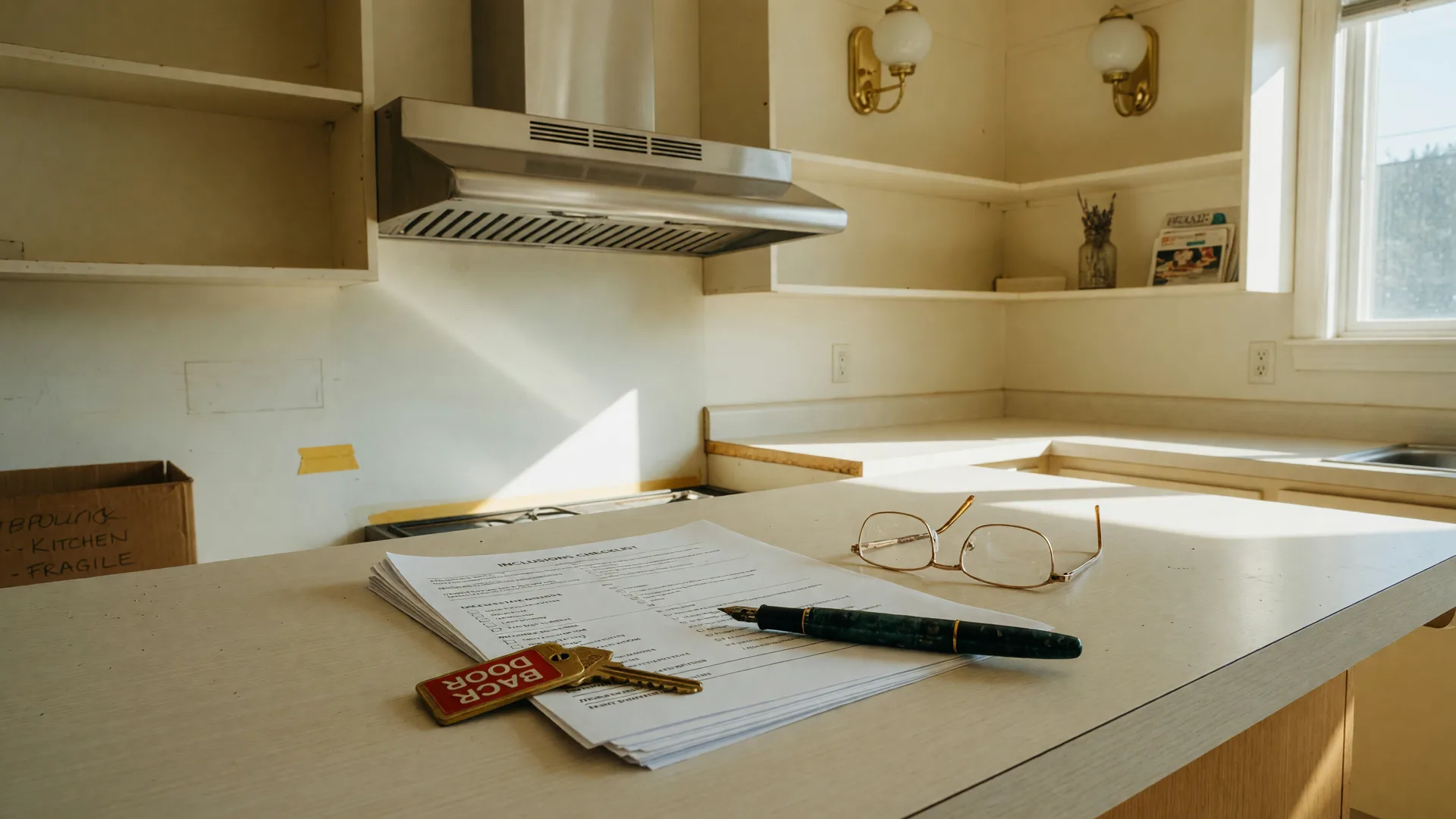
One of the most practical questions in any sale rarely gets asked until it matters: what exactly stays with the house, and what goes with you? In a BC home sale, the answer comes down to a legal distinction between fixtures and chattels. Fixtures are items that are attached to the property and generally stay with it, while chattels are moveable personal belongings that generally go with the seller. Getting this clear before you list saves you from awkward conversations and disappointed buyers on closing day, and it matters even more when you are selling a home you have lived in for decades.
This guide explains the distinction in plain language, walks through the items that cause the most friction, and shows you how to put your decisions in writing so there are no surprises. It is general information, not legal advice, and your contract, your REALTOR®, and your lawyer are the ones who settle what applies to your specific sale.
Why this matters for downsizers
Selling a long-held family home means sorting through years of accumulated items, from the window coverings you hung a generation ago to the appliances that came with the house. When buyers fall in love with a home, they often assume certain things come with it. When sellers have lived there for thirty years, they sometimes assume they are free to take things that the law treats as part of the property. Most disagreements at closing are not about price. They are about a refrigerator, a light fixture, or a garden shed.
For a downsizer, the stakes are higher than usual because so much is changing at once. You are deciding what moves with you to a smaller home, what stays behind with the house, and what gets donated or sold along the way. Understanding the rules beforehand turns those decisions from guesswork into a plan.
The core rule: fixtures stay, chattels go
A fixture is an item that is affixed to the land or the building, so that removing it would damage the property or require repair. Common examples include built-in appliances, light fixtures, wall-mounted shelving, heat pumps, and ceiling fans. Under the legal doctrine of fixtures, these items become part of the real property, so they convey with the home unless the contract specifically excludes them.
A chattel is moveable personal property that is not attached to the property. Furniture, freestanding appliances, area rugs, artwork hanging on a hook, and loose curtains are all chattels. They do not form part of the real property, so they go with the seller unless the contract specifically includes them.
The guiding questions are how attached the item is and whether removing it would damage the property. That is the test the courts apply, and it is the same test you can use as you walk through your own home.
What usually counts as a fixture
- Built-in appliances, such as a dishwasher, built-in range, wall oven, or built-in microwave
- Light fixtures and ceiling fans attached to the home
- Heat pumps, hot water tanks, and fixed heating equipment
- Wall-mounted shelving and cabinetry
- Window coverings that are permanently mounted, such as many blinds and shutters
- Built-in security systems and hard-wired smoke detectors
- Doors, door hardware, and attached mirrors
- The garage door opener and its attached rail system, though the hand-held remote can be negotiated separately
What usually counts as a chattel
- Furniture, including beds, sofas, and tables
- Freestanding appliances that sit loose and can be unplugged, such as a fridge, stove, washer, or dryer
- Area rugs and curtains that hang from a rod
- Artwork and wall decor hung on a hook or nail
- Televisions and their stands
- Portable items such as a countertop microwave, dehumidifier, or space heater
The contract is what governs
The standard BC Residential Purchase Contract, the form used for most residential sales in the province, does not leave this to guesswork. It works on the general rule that fixtures are included with the sale unless they are excluded, and chattels are not included unless they are specifically listed. The inclusions and exclusions sections of the contract are where you make your intentions clear.
If you want a specific chattel to stay, such as the refrigerator, the window coverings, or the washer and dryer, it must be written into the contract as included. If there is a fixture you want to take, such as a dining room chandelier that has been in the family for years, it must be written in as excluded. Anything left unwritten can go either way, and that is where closing-day surprises come from.
This is also why it helps to walk through your home room by room with your REALTOR® before the contract is drafted, so every item that matters is on paper in advance.
The items that cause the most friction
- The refrigerator, stove, and washer or dryer. Buyers often assume these come with a house, and sellers often plan to take them. Decide early and write it down.
- Window coverings. Blinds that are mounted and screwed in are fixtures; loose drapery is a chattel. People disagree about this more than almost any other item.
- Light fixtures and ceiling fans. These are generally fixtures, so if the chandelier is coming with you, it must be excluded in writing and a replacement agreed upon.
- Wall-mounted televisions and brackets. A television is a chattel, but the bracket bolted to the wall is attached. Buyers often want the bracket to stay, and sellers often want it gone. Write it down.
- The hot tub or outdoor spa. Whether it is wired and built into a deck or sitting loose changes how it is treated.
- The water softener or reverse-osmosis system. These are often plumbed in, so usually fixtures, but worth making explicit either way.
- Fireplace equipment. A built-in fireplace is a fixture; a freestanding wood stove, insert, or the stack of firewood may not be.
The garden, the garage, and the outbuildings
Garden items sit in the same grey zone. A greenhouse that is anchored to the ground, a play structure set in concrete, and a permanent garden shed are attached and generally stay. Planters, pots, a freestanding greenhouse frame, and the tree that could be lifted with a spade are moveable and generally go. Potted plants and hanging baskets are chattels.
The garage is another common sticking point. Shelving bolted to the wall stays; freestanding shelving and tool chests go. If you are downsizing, this is a quiet gift to yourself: the more you move out before listing, the fewer arguments there are at closing.
Condos and townhomes: what comes with your unit
The same principles apply inside a condo or townhome, with a couple of twists. The strata's common property is not yours to sell, so a buyer's interest is in the fixtures and chattels inside your unit. Built-in appliances, light fixtures, and mounted window coverings follow the same rules as in a house.
Storage lockers, parking stalls, and balconies are usually part of the strata lot and transfer with the unit, but the details are set out in your strata documents. If you are selling a strata unit as part of a downsizing move, review the strata plan with your REALTOR® so you can describe exactly what the buyer is getting. The same lesson applies on the buying side: when you purchase a condo, ask in writing what stays, so there are no surprises when you walk in. Our guide to condo living after downsizing covers more of what to expect.
For executors and families clearing an estate home
When you are selling a loved one's home after their death, the fixtures and chattels question is often tangled up with the clearing process. The general rule still applies: attached items stay with the home, and personal belongings are part of the estate and should be sorted, sold, or donated before closing. If the family wants a particular attached item, like a chandelier or a built-in bookcase, it needs to be handled deliberately, because once the contract is signed, the buyers have a right to everything the contract includes.
This is one more reason to clear the home with a plan and an inventory before the listing goes live. Our guides to preparing an estate home for sale and how estate sales work walk through that process step by step.
How to avoid grey areas in your own sale
- Walk your home room by room with your REALTOR® and make a list of every item you care about, both what you want to take and what you want to leave.
- Put every decision in writing in the contract's inclusions and exclusions sections. If it is not on paper, it is a gamble.
- Remove the chattels you plan to take before showings where possible, so buyers are not picturing the home with your furniture and then losing it at closing.
- If you are replacing a fixture you plan to take, such as a light fixture, agree on what the buyer is receiving in its place and write that down too.
- Ask your lawyer or notary to review the inclusions and exclusions before you sign, especially on a long-time family home with years of accumulated items.
Frequently asked questions
Is the refrigerator usually included when you sell a house in BC?
Not automatically. A freestanding refrigerator is a chattel, so it only stays with the home if it is listed as an included item in the contract. Buyers who want the fridge, the stove, or the washer and dryer should make sure they are written into the inclusions.
Do window coverings stay with the house?
Blinds and shutters that are permanently mounted are generally fixtures and stay with the home. Loose curtains and drapery that hang from a rod are usually chattels and go with the seller. Because people disagree about this, it should always be spelled out in the contract.
Can I take the light fixtures with me when I move?
Attached light fixtures are fixtures, so they stay with the home unless they are specifically excluded in the contract. If you want to take a chandelier or a favourite fixture, it must be written into the exclusions and a replacement fixture agreed upon.
Who decides whether an item is a fixture or a chattel?
The contract governs your sale, and the general legal test is how attached the item is and whether removing it would damage the property. When there is genuine disagreement, that test is what the courts would apply, which is why putting every meaningful item in writing matters.
What if a dispute about items comes up after the contract is signed?
Once the contract is signed, what is included and excluded is set out in writing. If a dispute still arises, it is resolved through the terms of the contract, usually with the help of your REALTOR® and your lawyer or notary. The strongest protection is agreeing on the details before you sign, not after.
Selling a long-time family home?
I help families across Greater Victoria navigate every part of the selling and downsizing journey, including the fine print that prevents surprises on closing day. Helping people confidently navigate one of life's biggest housing transitions is what I do every day, and I'd be glad to help you plan yours.
Let's Talk About Andrew Holenchuk
Andrew is Team Leader of Victoria Property Group at eXp Realty and has been helping people buy and sell homes throughout Greater Victoria since 2006. Together with his team, they have facilitated more than $1 billion in real estate sales while helping families navigate downsizing, estate transitions, and housing moves. This article is general information only and not a substitute for professional financial, legal, or real estate advice for your specific situation.