Selling a Heritage Home in Greater Victoria: What to Know Before You List

Andrew Holenchuk
Victoria Property Group · eXp Realty
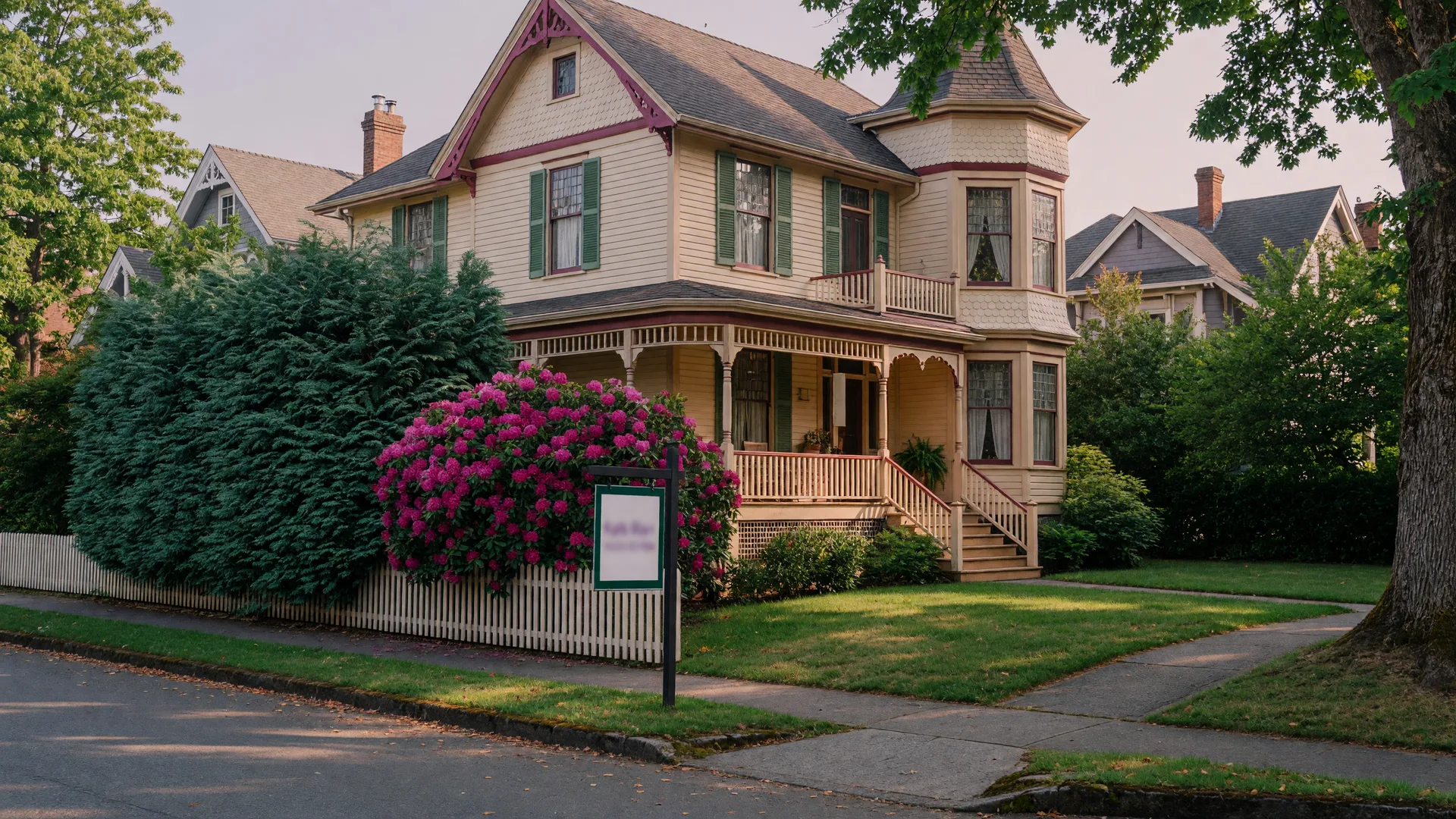
A heritage home is often the heart of a family story. Decades of holidays, milestones, and quiet moments live in its rooms, and its character, from the wrap-around veranda to the original woodwork, is part of why it was loved. When the time comes to sell one in Greater Victoria, families frequently have the same questions: will the heritage status make it harder to sell, and what exactly does that status mean?
This guide explains what heritage protection means in practical terms for sellers, from the difference between the Heritage Register and formal designation, to alteration permits, tax incentives, and what buyers actually care about. The goal is to help you approach the sale informed and confident, with no surprises at the title search or the closing table.
A note before we begin: heritage rules are set by each municipality and can change. This is general, educational guidance, not legal advice. Always confirm the specifics for your property with your local planning office and a qualified real estate lawyer.
The two tiers of heritage protection in Victoria
Heritage protection in British Columbia comes in more than one form, and the distinction matters enormously when you sell. Confusing the two is the most common source of anxiety around heritage homes.
The Heritage Register
Many character homes appear on the municipal Heritage Register, which is essentially an inventory of properties that have heritage value. Being on the Register alone does not restrict what an owner does with the property. It is a record, not a control. If your home is simply listed on the Register, you generally do not need special approval for ordinary changes. Council approval for alterations is only triggered if the property is protected by something stronger, such as a Heritage Designation Bylaw or a Heritage Conservation Area.
Heritage designation
Heritage designation, by contrast, is enacted by a bylaw and registered against the title. A designated building may not be altered or demolished without Council approval. Importantly for sellers, a designated building can be bought and sold without special approval. Designation runs with the land, meaning the new owner takes over the same obligations, and a title search (plus a review of the property's heritage file) is essential because designation may not be obvious from a standard listing.
There is also a provincial layer. A property can hold provincial heritage status independently of municipal protection, so it is worth confirming the full picture of what applies to your specific home.
The first step: know exactly what applies to your home
Before you do anything else, find out precisely what heritage status your property carries. A good place to start is a title search and a review of the property's heritage file with your municipality. Your REALTOR and lawyer can help you pull this together, and it will answer the questions that shape everything else:
- Is the property simply on the Heritage Register, or is it formally designated?
- Does it sit within a Heritage Conservation Area?
- Are there any registered covenants or obligations that run with the land?
- What exterior features or spaces are protected?
Understanding this up front means you can describe the property accurately to buyers and avoid surprises that could derail a sale later.
What designation means for changes to the home
If your home is designated, anyone planning exterior work, or work on protected features, must obtain a Heritage Alteration Permit from the municipality before starting. The good news is that routine maintenance that does not change the materials, design, or appearance generally does not require approval. Painting in the same colours, repairing siding in kind, and similar upkeep usually fall outside the permit requirement, but the details depend on the municipality and the terms of the designation.
For sellers, this matters in two ways. First, if you have been considering any cosmetic changes before listing, find out now whether they need a permit so the work is done properly and legally. Second, it gives you a clear, confident story for buyers: the designation protects the character they are buying, while ordinary maintenance remains straightforward.
Disclosure: what you should share with buyers
In BC, the Property Disclosure Statement is commonly used but is not legally required. Even so, the safest and fairest approach is to disclose any heritage obligations, maintenance-standards bylaws, or other registered restrictions that affect the property. Heritage designation runs with the land, so a buyer will inherit those obligations, and an honest, well-documented disclosure protects everyone and builds trust. Our guide to BC's Property Disclosure Statement explains what to consider when filling it out.
Working with a REALTOR who regularly sells heritage homes in Greater Victoria makes this smoother. They will know which features are protected, how to phrase the listing, and how to prepare a buyer for what ownership will involve.
Heritage tax incentives
Designation is not purely a restriction. Municipalities often pair it with incentives, and Victoria has a well-established Heritage Tax Incentive Program. Under this program, a designated, privately owned building that undergoes substantial rehabilitation or seismic upgrading can qualify for a temporary property tax exemption of up to 10 years. The application generally requires a Heritage Alteration Permit as part of the process.
Separate programs have supported converting upper storeys of downtown heritage buildings to residential use. These incentives can be meaningful to the right buyer, and they are a genuine selling point worth mentioning in marketing. A qualified advisor can help you understand whether any incentives apply to your home and how to present them accurately.
How buyers actually feel about heritage homes
There are two kinds of buyers for a heritage home in Greater Victoria. Some are attracted to the character, craft, and location that only an older home can offer, and they will pay a premium for it. Others worry about the maintenance and the perceived restrictions. A successful sale speaks to the first group and reassures the second.
The practical levers are the same as for any sale, applied thoughtfully:
- Present the character. Highlight original woodwork, fireplaces, built-ins, and architectural details in your staging and photography.
- Reassure on maintenance. Share evidence of recent maintenance and upkeep to show the home has been cared for.
- Price with the right comparables. Heritage homes need to be compared with similar heritage properties, not just any house in the neighbourhood. A REALTOR who knows the local market can set a realistic, confident price. See our guide to getting your home valued for how a proper market analysis works.
- Be clear about designation. Frame it accurately and positively, and give buyers the facts they need to make an informed decision.
Heritage neighbourhoods across Greater Victoria
Heritage homes are woven through many of the region's most sought-after communities. In Victoria, the character-rich areas of Rockland, Fairfield, James Bay, Fernwood, and the Cook Street Village area are known for older homes with real charm. Oak Bay has its share of dignified older properties, and Esquimalt, Saanich, and the Peninsula hold their own character homes too.
In each of these areas, buyers who love heritage are often downsizers themselves, moving from a larger family home into something more manageable while keeping the character they treasure. If that describes your situation, selling a heritage home and finding your next one often go hand in hand. The equity in your home, especially with the principal residence exemption, can fund the next chapter comfortably.
A step-by-step path to listing
- Confirm your heritage status. Complete a title search and review the property's heritage file with the municipality.
- Review obligations. Identify any covenants, designation terms, or Heritage Conservation Area rules that apply.
- Check planned maintenance. If you intend to make changes before listing, confirm which ones need a Heritage Alteration Permit.
- Gather your documentation. Collect records of maintenance, renovations, and any prior approvals to reassure buyers.
- Price with heritage comparables. Work with a REALTOR who knows heritage properties and their true value.
- Disclose clearly and positively. Present designation accurately in the listing and the Property Disclosure Statement.
Frequently asked questions
Does heritage designation make it harder to sell a home?
Not inherently. A designated building can be bought and sold without special approval, and many buyers actively seek heritage character. The designation does run with the land, so the new owner inherits the obligations, which is why a clear, accurate disclosure helps. The key is pricing with the right comparables and presenting the home well. In most cases, the right buyer sees designation as protection of the character they love.
What is the difference between the Heritage Register and heritage designation?
The Heritage Register is an inventory of properties with heritage value; being on it does not by itself restrict what an owner does. Heritage designation, enacted by a bylaw and registered against the title, restricts alterations or demolition without Council approval. Understanding which applies to your property is the essential first step in selling.
Can I make changes to my heritage home before selling?
If the home is designated, exterior work or work on protected features generally requires a Heritage Alteration Permit. Routine maintenance that does not change the materials, design, or appearance typically does not need approval. Check with your municipality before starting any planned work so it is done properly and documented for buyers.
Are there tax benefits to owning a heritage home in Victoria?
Victoria's Heritage Tax Incentive Program can provide a temporary property tax exemption of up to 10 years for substantial rehabilitation and seismic upgrading of designated, privately owned buildings, with a Heritage Alteration Permit required as part of the application. Programs have also supported residential conversions of downtown heritage buildings. These can be meaningful advantages for the right buyer; confirm current details with the municipality.
Do I have to tell buyers that my home is designated?
The Property Disclosure Statement is not legally required in BC, but disclosing heritage obligations and any registered restrictions is the safest, most transparent approach. Designation runs with the land, so buyers will inherit it regardless. Honest disclosure protects you, builds trust, and helps the sale close smoothly.
How do I know what my heritage home is worth?
A heritage home should be valued against comparable heritage properties rather than a general sample of the neighbourhood. A REALTOR experienced with heritage homes and a proper comparative market analysis will give you the most accurate picture. If you are using the sale to fund a downsizing move, that valuation also shows you what your next chapter can look like. See our guide to appraisals and market analyses for more detail.
Selling a much-loved family home?
Whether your home is heritage-designated, on the Heritage Register, or simply full of character, I have helped families across Greater Victoria sell these treasured properties and move on with confidence. If you are ready to understand your options, I would welcome the chance to help. Helping people confidently navigate one of life's biggest housing transitions is what I do every day.
Let's Talk About Andrew Holenchuk
Andrew is Team Leader of Victoria Property Group at eXp Realty and has been helping people buy and sell homes throughout Greater Victoria since 2006. Together with his team, they have facilitated more than $1 billion in real estate sales while helping families with downsizing, estate transitions, and housing moves.