
Real Estate Scams and Fraud Protection: How Greater Victoria Homeowners Can Stay Safe

Andrew Holenchuk
Victoria Property Group · eXp Realty
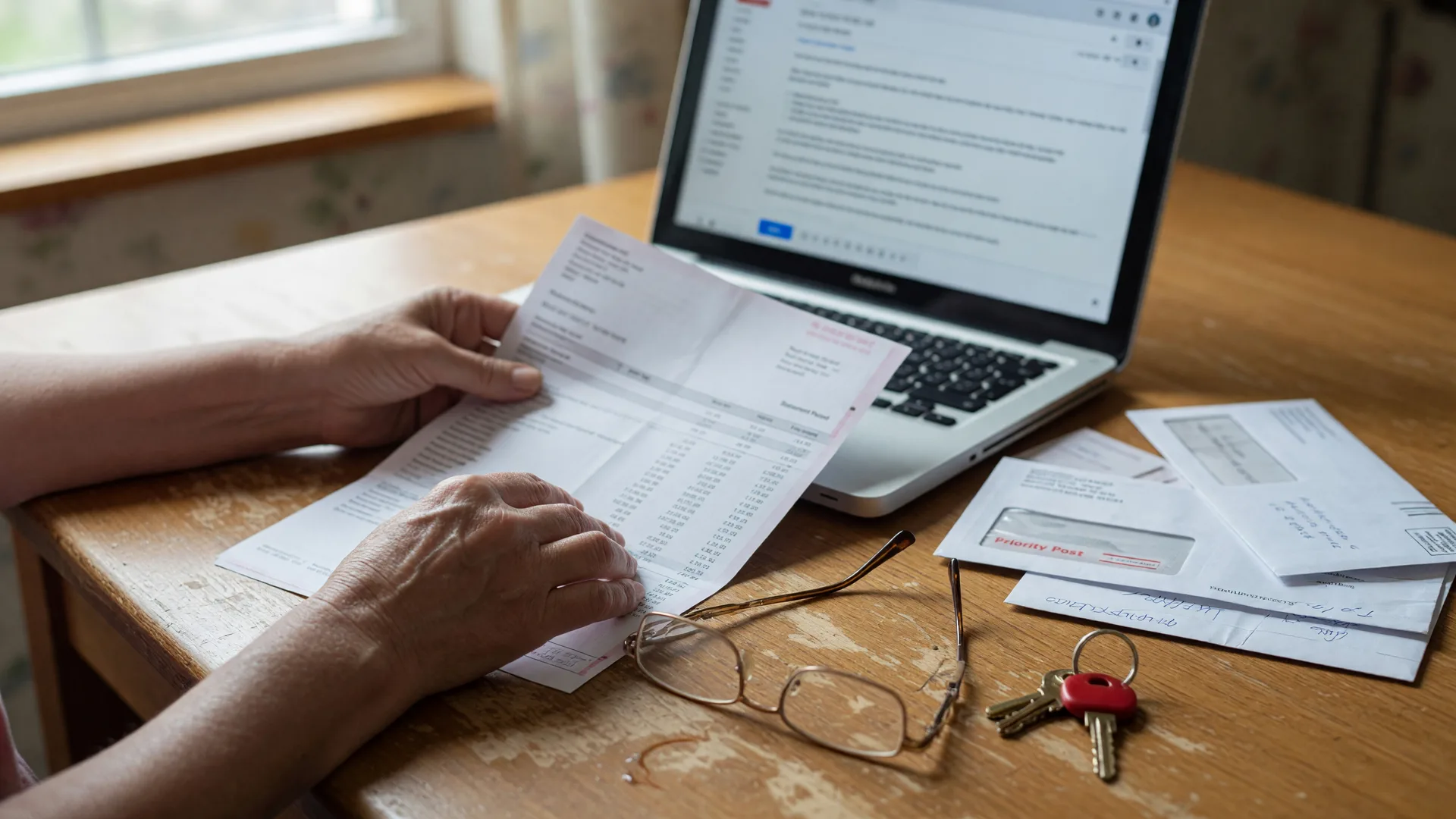
The week your family home goes up for sale is exciting, and it is also exactly the moment fraudsters love: a busy household, unfamiliar paperwork, large sums of money on the move, and a homeowner who may not have sold a house in decades. Real estate scams are real, they happen in Greater Victoria, and older homeowners are disproportionately targeted. The good news is that almost every fraud follows a pattern, and once you know the pattern, it is easy to spot.
This guide exists to help you protect the single largest asset most families own. It covers the scams that target people who are selling, buying, or helping a parent through a housing transition, and it gives you simple habits that shut most fraud down before it starts. Getting your home ready to sell should be about your next chapter, not about worrying. A little knowledge changes that.
The most common schemes targeting homeowners
Fraudsters adapt fast, but the core playbook is small. Most scams aimed at homeowners fall into one of these families:
Wire fraud and fake closing instructions
This one hits buyers hardest, but sellers get hit too. Here is how it works: you are weeks from closing on a sale or purchase, and an email arrives from what looks like your lawyer, notary, or lender. It explains a small accounting change and provides new banking details for the money transfer, urging speed. In reality, the address is one character off from the real one, and the money vanishes the moment it is sent.
Real estate professionals never change payment instructions by email and ask you to act immediately. If anything about a funds transfer feels hurried or unexpected, stop, call your lawyer or notary at a phone number you already know, and confirm before sending a cent. If you are selling, know when and how your proceeds will arrive, and treat any surprise "new instructions" as an alarm bell.
Title and deed scams
In a title fraud, criminals forge your identity on a document, then transfer the property or take out a mortgage against it without your knowledge. Recorded title in British Columbia is reliable, and this kind of fraud is not common, but it exists, which is one reason careful lawyers and notaries verify identity in person or on video for any transfer or mortgage.
- Watch for mail that stops or paperwork that goes missing. One of the earliest signs of identity-based property fraud is your mail being redirected or your property tax notices not arriving.
- Ask for identity verification. Never sign property documents without confirming who is asking and why. A reputable conveyancer will recognize you or verify you properly.
- Consider a title search or monitoring service if you are worried, especially if you are away from Victoria for long stretches as a snowbird.
Overpayment and refund scams
A buyer (or a supposed buyer) sends a deposit or payment that is larger than the agreed amount, then "discovers" the error and asks you to refund the difference, often before the cheque clears or the transfer reverses. The result: you send real money and the original payment bounces. This old classic resurfaces constantly, and its cousins appear in rental and estate contexts too.
The rule is simple and non-negotiable: never refund money to anyone based on an overpayment. Let the transaction settle through proper channels, and run everything through your lawyer or notary's trust account, never hastily through your own.
"Too good to be true" off-market buyers and advance-fee offers
Related to the cash-offer phenomenon, some scam versions claim a buyer is ready to pay well above market value, subject only to a small advance fee for an appraisal, insurance, title work, or a lawyer's retainer that you are asked to cover. The fee is the scam. No genuine buyer asks a seller to pay for their own purchase costs up front. For the full comparison of legitimate investor offers versus marketing tricks, see our guide to selling to an investor with a cash offer.
Impersonation and the "urgent family emergency"
A caller claims to be a grandchild, a relative, or a family friend in trouble, often while a parent is in the middle of a move or a sale, when attention is scattered. The story is an emergency, a payment is needed now, and secrecy is requested. This distracts from the real ask, which is money or personal information.
The defence is a pause and a call back to a known number, not the one the caller provides. One verification call ends most of these attempts. If a parent is mid-transaction, this matters doubly: remind them that anyone calling about their home sale, mortgage, or lawyer should be willing to wait while you confirm with the office you already know.
Red flags to teach yourself and your parents
You do not need to become a fraud expert. You need to recognize pressure, secrecy, and unverifiable urgency, because those three ingredients appear in almost every successful scam:
- Urgency. "This must be done today" is a sales tactic and a fraud tactic. Genuine professionals give you time to think.
- A change of instructions. New banking details, a different lawyer's name, a new phone number, always verify by calling a number you already have.
- Requests for secrecy. Nobody legitimate in a property transaction asks you to hide it from your family or your advisor.
- Pressure to send money or personal details over the phone or by email. Real estate funds move through lawyers and notaries, not gift cards, wire-to-wallet, or rushed transfers.
- Offers that are far above market. If it sounds astonishing, it is worth a second pair of eyes before you believe it.
- Unexpected inspections or "official" visits. Scammers posing as inspectors or municipal workers have used home visits to case properties while families are distracted with moving. Ask for identification and confirm with the organization directly.
How to protect yourself through every stage of a housing transition
The best protection is boring and effective: slow down, route everything through professionals you chose, and never move money on someone else's timeline. Practical habits, in order:
- Work with people you can verify. Your realtor, lawyer, and notary should have established offices and public contact information you can confirm independently.
- Agree on how instructions will arrive. Before any closing, ask your conveyancer how they will communicate and what you should never expect, for example, changes to banking details by email.
- Call back through known numbers. If someone calls you about a sale, a payment, or a family emergency, hang up and call the official number yourself.
- Keep documents and mail protected. During a move, mail is vulnerable. Redirect it early, and watch for anything that stops arriving without explanation.
- Have a second set of eyes. A trusted family member or advisor reviewing key steps is not an insult to anyone's independence, it is a layer of safety that experienced professionals themselves recommend.
- Report, do not hide. If you suspect you have been targeted, tell your realtor or lawyer immediately and contact the Canadian Anti-Fraud Centre. Shame is a fraudster's best friend.
When you work with a realtor who genuinely cares about the transition, part of the job is watching your back. We have seen the scams; we help families walk around them every year, including here in Greater Victoria.
What to do if you think you have been scammed
Act fast, and do not let embarrassment slow you down. Fraud is a crime, not a character flaw, and the sooner you move, the better the chance of recovery.
- Contact your bank or credit union immediately if money has moved, and ask about a reversal.
- Tell your lawyer or notary right away if the fraud involved a transaction.
- Report to the Canadian Anti-Fraud Centre, which collects reports nationally and works with police.
- Report to your local police detachment in Victoria, Saanich, Oak Bay, or whichever municipality you live in.
- If identity documents are involved, contact Equifax and TransUnion to place a fraud alert on your credit file.
If you are helping an aging parent and worry they have already been approached, our guide to starting the conversation about downsizing with parents includes gentle ways to open a discussion about safety and money without making anyone feel judged.
Frequently asked questions
Is real estate wire fraud common in Canada?
Mortgage and wire fraud is a recognized national concern, and the Canadian Anti-Fraud Centre tracks thousands of reports each year across all fraud categories. The specific pattern of fake closing instructions is well documented. It is not something to lose sleep over, just something to prepare for, the same way you would check the smoke alarm on a rental property before a trip.
Can someone sell my house without me knowing in BC?
British Columbia's Land Title Office records ownership, and transfers require identity verification through a lawyer or notary, so this type of fraud is rare. The greater risks are identity theft that later enables a scam mortgage or transfer, and fraud that targets you during a genuine sale. Keep your documents safe, watch your mail, and verify identity whenever you sign.
What should I do if I receive suspicious emails about my home sale?
Do not click links or reply with information. Forward the email to your realtor or lawyer and ask, "Is this from you?" Never use contact details from the suspicious email itself; call a number you already have on file.
How can I protect an aging parent from real estate scams?
Be a calm second set of eyes without taking over. Stay involved in major steps, route big decisions through the parent's chosen professionals, watch for abrupt secrecy or urgency, and make sure mail is secure and redirected during any property transition. Framing it as "let's both double-check" works far better than accusation.
Should I pay any fees when selling my home to a private buyer?
Generally, no. In a normal transaction the buyer bears the buyer's own costs, such as appraisals they request and their legal fees, and any seller-side costs on closing are handled through the statement of adjustments. Advance fees requested directly from an unsolicited buyer are a classic fraud signal.
Worried about a letter, an email, or a phone call about your home?
I have helped Greater Victoria families stop fraud attempts mid-sale and recover from ones that slipped through. If something about a transaction or an approach does not feel right, send it my way and I will take an honest look. No pressure, no obligation, just an experienced second opinion.
Ask a Question