
What It Really Costs to Downsize: Budgeting for Closing Costs and the Move in Greater Victoria

Andrew Holenchuk
Victoria Property Group · eXp Realty
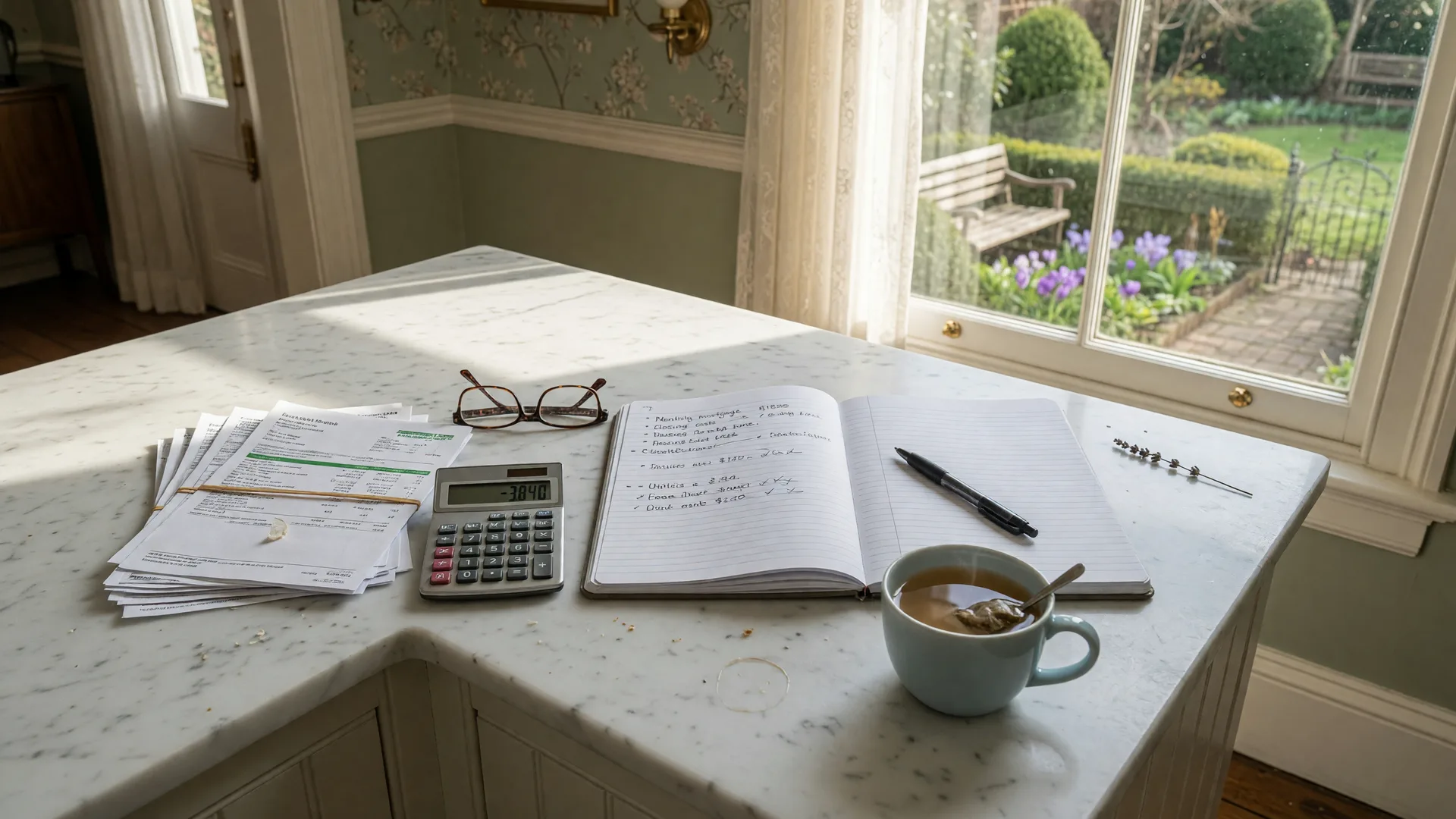
When people plan a downsizing move, they usually focus on the big numbers: what the house will sell for and what the new place will cost. The costs in between often catch people off guard. Closing costs, legal fees, property transfer tax, moving expenses, repairs, staging, and a dozen smaller items can add up to a meaningful portion of a transaction. This guide lays out the full picture so you can budget realistically for your housing transition in Greater Victoria.
It is education, not financial or tax advice. The exact amounts depend on your home, your lender, your municipality, and your situation. Your realtor, lawyer or notary, and accountant will confirm the numbers that apply to you. The goal here is to make sure nothing in the middle comes as a surprise.
Why the costs in between matter so much
A downsizing move is really two transactions at once: you sell one home and buy another, often with overlapping timelines. Each side carries its own costs, and some costs appear twice. When you also add the practical expenses of actually moving, the total can surprise even careful planners.
The good news is that most of these costs are predictable. Once you know what to expect, you can plan for them, compare quotes, and sequence your move so the cash flow works. Understanding the list is more than half the battle.
Costs on the sale side
Selling a home in BC carries a set of costs that are deducted from your proceeds at closing. Here is where they typically come from:
- Real estate commission. The largest single cost of selling, paid out of your sale proceeds. Commission structures vary, so it is worth understanding exactly what is included and what services accompany it.
- Legal fees and disbursements. A lawyer or notary prepares the transfer documents, discharges the existing mortgage, handles the purchase of title insurance, and manages the closing. Fees vary with the complexity of the file.
- Mortgage discharge fee and prepayment penalty. Paying off your mortgage early, whether at renewal or before, may carry a discharge fee and, depending on your terms, a prepayment penalty. Your lender will confirm the exact figures.
- Repairs and home preparation. Fixing deferred maintenance, painting, deep cleaning, and staging can all be part of getting the home ready to show well. These are discretionary, but they can influence the sale price and timeline.
- Strata and property documents. If you are selling a condo or townhome, the buyer's side will often request an estoppel certificate, depreciation report, and strata minutes. The strata corporation typically charges a fee for the estoppel certificate.
- Moving costs. Movers, boxes, packing supplies, and occasionally storage are all part of the transition, and they are easy to underestimate.
Costs on the purchase side
The purchase side has its own list, some of which applies only to certain types of properties:
- Property transfer tax. BC charges property transfer tax when a property changes hands, at rates tied to the purchase price. There are exemptions, including for first-time buyers and in some cases for newly built homes, so it is worth confirming what applies. Our guide to property transfer tax for downsizers explains the rates and exemptions in detail.
- Legal fees and disbursements. Your lawyer or notary handles title transfer, the new mortgage, title insurance, and the registration of the purchase, with fees comparable to the sale side.
- GST on a new home. If you are buying a newly constructed condo or townhome, GST applies at the federal rate, while resale properties are generally exempt. New-home GST rebates can reduce or eliminate it for qualifying buyers, including first-time buyers under the federal program.
- Strata estoppel certificate. Before buying a strata unit, you will generally want an estoppel certificate showing fees, assessments, and the financial health of the building. The strata charges a fee for it.
- Home inspection. A pre-purchase inspection gives you an independent look at the condition of the home, systems, and anything that needs attention before you commit.
- Condominium documents review. Reviewing the strata minutes, bylaws, depreciation report, and budget helps you understand the building before you buy. A professional can walk you through what matters most.
- Moving in costs. Connecting utilities, changing locks, anything the new home needs like window coverings, a storage locker, or parking arrangements, all add up.
The tax pieces, handled carefully
Two tax questions come up again and again with downsizers. On the sale side, the principal residence exemption is what protects most homeowners from capital gains tax on the sale of their primary home. For most people downsizing, that exemption means no capital gains tax on the family home, but the details matter, especially if part of the property was rented or used for business. Our guide to the principal residence exemption and capital gains explains how it works.
On the purchase side, the questions are usually about property transfer tax and, for new builds, GST. The rates are published by the BC government and the amounts depend on the purchase price and your circumstances. Because these rules and exemptions change from time to time, confirming them with a professional when you reach that stage is the reliable approach. After the sale, what happens with your proceeds and any tax obligations is covered in our guide to managing your proceeds and next steps after the sale.
Living through the gap between homes
One of the most stressful parts of a downsizing move is the timing gap between selling one home and taking possession of the next. Rental households, movers, storage, along with carrying costs on two properties, all cost money. Our guide to the timing gap between homes walks through the practical ways to manage this window, from bridge financing to temporary housing and staging your logistics.
If you have equity in your current home, you may be able to use some of it to cover the deposit and closing costs on your new place before your old home closes. Your lender and realtor can help you understand which approach, from bridge financing to sale contingencies, fits your situation. The key is to plan the overlap before it happens, not during it.
One-time costs versus ongoing costs
A downsizing budget has two layers: the one-time costs of the move itself, and the ongoing costs of living in your new home. It is easy to focus on the first and overlook the second, but the second is often where the real savings appear.
Moving to a condo or townhome usually means trading a mortgage, property taxes, utilities, insurance, maintenance, and repairs on a house for a different set: maybe no mortgage, lower utilities, a strata fee, and less or no exterior maintenance. The comparison that matters is not just this month's housing cost, but what your full housing picture looks like over five years. For a detailed look at how these costs compare, our guide to the true cost of keeping your Victoria home versus downsizing works through the math.
How to build a realistic budget
- Start with a comparative market analysis to understand what your home could sell for today, then build a conservative range around it
- Ask your realtor for a full list of the costs they expect on your sale, including commission, legal, and any repairs or staging they recommend
- Confirm the payoff amount on your mortgage and whether prepayment penalties apply
- Research property transfer tax and GST for your target purchase, using the official BC tools and confirming with your lawyer or notary
- Collect three moving quotes rather than one, and ask what each includes so you are comparing like with like
- Add a contingency line, typically a set percentage of your total, for the surprises every move brings
- Run the ongoing costs comparison between your current home and your target home, not just the one-time costs
Where to trim without cutting corners
There are legitimate places to save. Comparing moving quotes saves real money. Decluttering before you move means paying to move fewer items, and possibly earning something back through a sale or donation. Booking movers and service providers outside the peak season often brings better rates and availability. Reviewing what repairs and renovations genuinely add value, rather than renovating everything, keeps the preparation budget proportionate. And understanding exactly what your realtor's services include means no surprises on fees.
What is not worth cutting are the professionals who protect the transaction: your lawyer or notary, your home inspector, and qualified tax guidance. These are small relative to the total, and they exist to catch the expensive problems before you own them.
Frequently asked questions
How much should I budget for closing costs in BC?
Closing costs vary with the price of the property and the complexity of the transaction. A common range cited for buyers covers legal fees, title insurance, disbursements, and related items, with property transfer tax, GST on new homes, and inspections on top. The most reliable way to size your number is to ask your lawyer or notary and your realtor for an itemized estimate early in the process.
Is there property transfer tax on my new condo?
Generally yes, property transfer tax applies when you take title to a property in BC. There are exemptions, including for first-time buyers and potentially for newly built homes depending on the circumstances. Confirming eligibility with a professional when you are under contract is the reliable approach.
Do I pay GST when I buy a new-build condo in BC?
GST applies to newly constructed or substantially renovated homes, including pre-sale condos, while resale homes are generally exempt. Qualifying buyers may be able to claim a new-home GST rebate, and first-time buyers may be eligible for a federal rebate that eliminates GST entirely on homes up to defined thresholds. Focus on the rules that apply to your purchase picture with a professional.
What are the costs of selling a home in BC?
The main costs are the real estate commission, legal fees, the mortgage discharge, and any repairs, staging, or preparation you choose. On a strata property there may also be an estoppel certificate fee. The total depends heavily on your home and your choices, so an itemized estimate from your team is the best planning tool.
How can I reduce the cost of my downsizing move?
Declutter before you move so you pay to move less. Compare moving quotes rather than booking the first one. Book services outside peak season when possible. Focus pre-sale spending on what genuinely adds value. And keep the professionals who protect the transaction, because their cost is small compared to the problems they prevent.
Want help building the full picture for your move?
I can walk you through what your sale and purchase are likely to cost, connect you with trusted legal and financial professionals, and help you plan a transition with no budget surprises. No pressure, just clarity.
Let's Talk