
After the Sale: Managing Your Proceeds, Taxes, and Next Steps When You Downsize in BC

Andrew Holenchuk
Victoria Property Group · eXp Realty
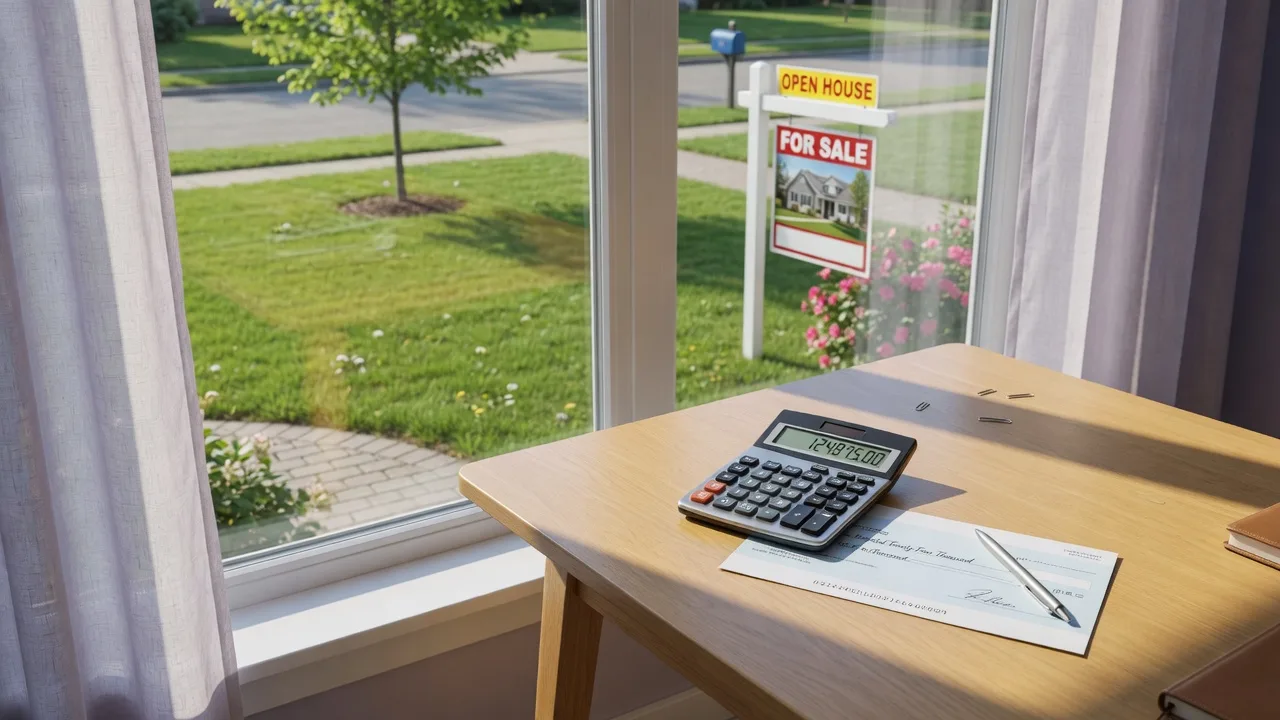
Completing the sale of your home is a major milestone. After weeks or months of decluttering, showings, negotiations, and packing, the closing date arrives and the proceeds land in your account. It is a moment that brings relief, excitement, and often a new question: what happens now?
For downsizers in Greater Victoria, the period after the sale is just as important as the preparation that came before it. How you manage the proceeds from your home sale, understand your tax obligations, plan your next housing purchase, and reposition your finances for the years ahead will shape your quality of life for the rest of your retirement.
This guide walks through the practical steps that follow selling your home. It covers the flow of funds at closing, what happens with your mortgage and property taxes, how to think about taxes (particularly the Principal Residence Exemption), what to do with the proceeds if you are not buying your next home immediately, and how to plan your financial transition with clarity.
What happens on closing day
On closing day, your notary or lawyer manages the transfer of funds between the buyer, your mortgage lender, and you. The process is carefully structured to ensure everyone is paid in the correct order:
- The buyer's funds are transferred to your lawyer or notary's trust account
- Your outstanding mortgage balance is paid off from the proceeds
- Property taxes are adjusted for the portion of the year you have already paid but will not occupy
- Strata fees if applicable are adjusted for prepaid amounts
- Your REALTOR's commission, legal fees, and disbursements are deducted
- The remaining balance is deposited into your bank account
This typically happens within 24 to 48 hours of the completion date. Your lawyer or notary will provide a closing statement that itemizes every deduction and shows exactly what you received. Keep this document. You will need it for your tax records and your financial planning.
Understanding your tax position
One of the most important things to understand after selling your home is whether you owe any taxes on the sale. For most downsizers in Greater Victoria, the answer is no, because of Canada's Principal Residence Exemption.
The Principal Residence Exemption
Under Canadian tax law, when you sell your principal residence, any capital gain on the sale is generally tax-free. If you have lived in the home for every year you owned it, and it has always been your primary residence, there is typically no capital gains tax to pay.
This exemption is a significant advantage for downsizers. The equity you release from your home is free of tax, which means the full amount can be reinvested or used to fund your next chapter. Other investments such as stocks or rental property would incur capital gains tax on the growth, but your home's appreciation is yours to keep.
There are some situations where part of the gain may be taxable. If you ever rented out part of your home, used a portion exclusively for business, or owned the home for only part of the year while living elsewhere, the exemption may need to be prorated. A tax professional can help you work through these scenarios.
GST on commissions and fees
While the sale itself is not subject to GST, certain costs associated with the sale are. Your REALTOR's commission includes GST, as do your legal fees. These are deductible expenses against the proceeds and are handled automatically through the closing process.
What to do with the proceeds right away
The day after closing, the sale proceeds will be sitting in your bank account. Depending on the value of your former home and the cost of your new one, this could be a substantial sum. Here is what to consider in the first few days and weeks:
If you have already purchased your next home
If your downsizing move was coordinated, you may have purchased your new home before or concurrently with selling your old one. In this case, your proceeds may be modest or even entirely absorbed by the new purchase. Your priority now is to:
- Set up automatic payments for your new strata fees, property taxes, and utility bills
- Update your home insurance policy to reflect your new address
- Register for BC's Home Owner Grant if you qualify for the new property
- Transfer any remaining funds to a savings or investment account
If you are renting temporarily or between homes
Many downsizers choose to sell first and take time to find the right next home. If your proceeds are sitting in a bank account for three to twelve months, consider putting them in a high-interest savings account or a short-term guaranteed investment certificate (GIC). These options keep your money accessible while earning some interest during the search period.
There is also a psychological benefit to taking your time. Moving from a home you have lived in for decades into a new condo or townhouse is a significant lifestyle change. Renting for a few months or a year gives you the chance to experience different neighbourhoods, test different building types, and make a confident choice rather than a rushed one.
If you are investing the proceeds for retirement income
This is where the real financial transformation happens. Selling a $1.2 million home and purchasing a $650,000 condo frees up $550,000. If that sum is invested in a balanced portfolio earning a conservative 4 percent per year, it generates $22,000 in annual income before taxes. At 5 percent, it is $27,500.
For many retirees, this changes the picture entirely. The investment income from freed-up equity can supplement CPP, OAS, and any pension income, providing a more comfortable retirement without touching your principal.
This is where working with a professional financial planner becomes valuable. They can help you structure the investments for tax efficiency, choose an appropriate asset allocation based on your risk tolerance and timeline, and integrate the proceeds into your broader retirement plan.
Managing cash flow in your new downsized home
One of the biggest and most pleasant surprises for new downsizers is how much less it costs to live in a smaller home. The savings start immediately:
- No more garden maintenance, exterior painting, roof repairs, or gutter cleaning
- Lower utility bills for heating and electricity in a smaller space
- Reduced property taxes on a lower assessed value
- Lower home insurance premiums for a condo or townhouse
- Fewer rooms to furnish, clean, and maintain
Many downsizers find that their ongoing monthly expenses drop by $1,000 to $2,000 or more compared to owning a single-family home. This frees up more cash flow for travel, hobbies, gifts for grandchildren, dining out, or simply saving for future care needs.
Updating your estate plan after the sale
Selling the family home is an ideal moment to review and update your estate plan. Your home was likely your single largest asset, and its sale changes the financial picture for your beneficiaries.
After selling, consider scheduling a meeting with your lawyer to update your will and any trusts you have in place. If the proceeds from the sale are now held as cash or investments, your will should reflect how those assets should be distributed. If you planned to leave the family home to a specific child, the cash equivalent should now be allocated similarly.
It is also a good time to review your beneficiary designations on RRSPs, RRIFs, TFSAs, and life insurance policies to ensure they are consistent with your updated will.
Emotional and lifestyle adjustments after the sale
The financial and practical steps after selling are important, but so is the emotional transition. Leaving a home where you raised children, celebrated holidays, and built decades of memories can feel disorienting even when you know it was the right decision.
Give yourself time to settle into your new space. Unpack at your own pace. Explore your new neighbourhood. Introduce yourself to neighbours. Join community activities. Many downsizers find that the sense of freedom, lightness, and reduced responsibility begins to outweigh the initial unfamiliarity within a few weeks.
If you moved into a 55-plus community or a building with shared amenities, take advantage of those opportunities. Social connection is one of the most important factors in a happy and healthy retirement, and your new home may offer more of it than your old neighbourhood did.
Frequently asked questions
How soon after closing do I receive the proceeds from my home sale?
In British Columbia, funds from a home sale are typically available within one to three business days after the closing date. Your notary or lawyer will deposit the net proceeds into your bank account after all deductions have been processed. Some holdbacks may apply if there are outstanding adjustments to be finalized.
Do I need to report the sale of my home on my tax return?
Yes. Even if the sale is fully exempt from capital gains tax through the Principal Residence Exemption, you must report the sale on your annual tax return for the year in which the sale occurred. The Canada Revenue Agency requires you to complete Schedule 3 detailing the sale and claiming the exemption. Your accountant can handle this, or you can do it yourself using CRA's online filing system.
Where should I keep the proceeds while I look for my next home?
A high-interest savings account is the most practical option for short-term holding of sale proceeds. Your funds are accessible, insured by CDIC up to $100,000, and earning some interest. For larger sums, you can split the deposit across multiple accounts or institutions to maximize CDIC coverage. A financial advisor can guide you on short-term options such as cashable GICs or money market funds.
Will downsizing affect my Old Age Security or Guaranteed Income Supplement benefits?
The proceeds from selling your principal residence are generally not considered income for OAS or GIS purposes, as they are tax-free under the Principal Residence Exemption. However, the investment income those proceeds generate once invested does count toward your income. If you are near the OAS clawback threshold, a financial planner can help you structure your investments to minimize the impact.
Should I pay off my new condo in cash or keep a mortgage and invest the difference?
This is one of the most debated questions in downsizing finances. Paying cash gives you the peace of mind of being debt-free. Investing the difference and carrying a modest mortgage may generate higher long-term returns if your investments outperform your mortgage rate. The right answer depends on your risk tolerance, your age, your income sources, and your comfort with debt. Both approaches are valid. Discuss the options with a financial advisor who understands your full picture.
Ready to start planning your downsizing transition in Greater Victoria?
Whether you are selling now, preparing for a future move, or wondering how the numbers work for your situation, I can help. No pressure, just honest guidance and local expertise to help you confidently navigate one of life's biggest housing transitions.
Let's Talk