Downsizing with Art, Antiques, and Valuable Collections in Greater Victoria

Andrew Holenchuk
Victoria Property Group · eXp Realty
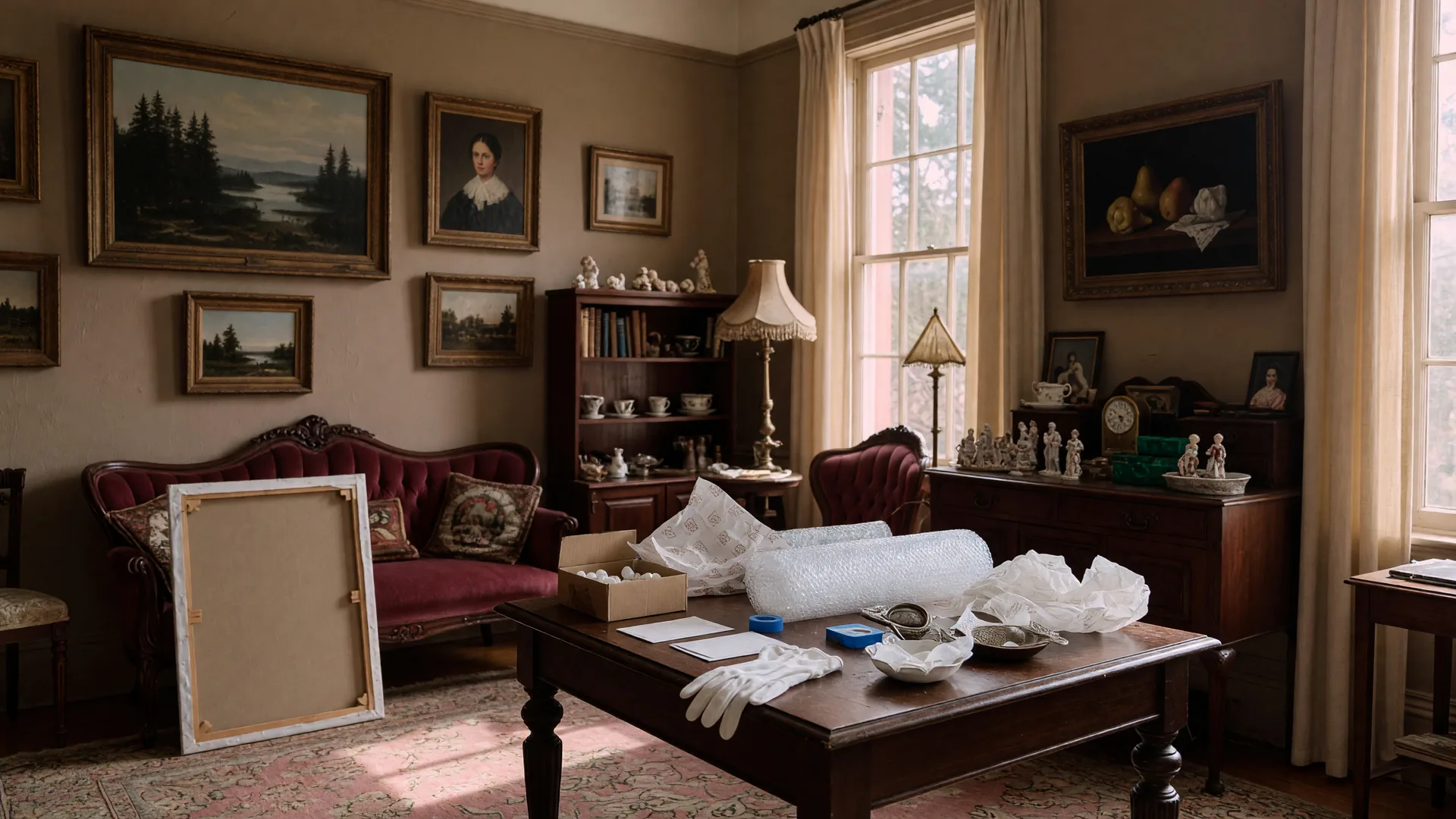
If you have spent decades collecting fine art, antique furniture, vintage china, rare books, wine, or specialty collections, the thought of downsizing probably comes with a serious question: what happens to all of it?
Greater Victoria is home to many collectors and art lovers. The city's heritage architecture, galleries, and antique shops reflect a community that values beautiful things. But when the time comes to move to a smaller home, condo, or retirement residence, those treasured possessions require a different kind of planning than typical household goods. They hold not only sentimental value but often significant financial worth, and making the wrong decision can mean losing value, damaging relationships, or carrying items into a space that simply cannot accommodate them.
This guide walks you through the process of downsizing with valuable collections in Greater Victoria, from appraisal and documentation to selling, donating, or keeping the pieces that matter most.
Start with a professional appraisal
Before you make any decisions about your collection, know what you have. A professional appraisal serves several purposes:
- Establishing value for insurance and sale. You cannot insure or sell what you cannot accurately describe and value.
- Informing estate planning. If you plan to pass certain pieces to family members, knowing their value helps with fair distribution and tax planning.
- Guiding your decisions. Some items you assume are valuable may not be. Others you overlook could surprise you. An objective appraisal removes guesswork.
In Greater Victoria, you can find accredited appraisers through the Appraisal Institute of Canada or the Canadian Antique Dealers Association. Look for appraisers who specialize in your type of collection whether it is fine art, antique furniture, jewellery, firearms, wine, or decorative arts. A generalist appraiser may miss nuances that affect value.
For collections with particularly high value, consider a specialist who regularly works with Victoria's auction houses and galleries. Local knowledge matters: a Victorian-era dining table that might fetch one price in Toronto may command a different price in Victoria, where period antiques are especially appreciated.
Document your collection before you pack a single item
Before you touch anything, create a thorough inventory. For insurance purposes and peace of mind, you should have:
- A written description of each piece, including maker, era, condition, provenance (ownership history), and estimated value.
- High-quality photographs showing front, back, signatures or maker's marks, and any damage or restoration.
- Copies of original appraisals, receipts, and certificates of authenticity.
- Your insurance policy details, including riders or schedules for high-value items.
For digital collections such as fine wines, rare coins, or stamps, photograph the collection in its storage configuration before you disassemble it. This protects you if items are lost or damaged during the move and provides a clear record for insurance claims.
Decide what to keep, what to sell, and what to pass on
This is the emotional heart of the process. Your collection may represent decades of careful curation, and every piece may have a story attached. But your new home will have less space, and bringing everything with you may not be realistic.
Keeping: Curate for your new space
Measure your new home's wall space, display cases, and storage areas before you decide what to keep. A few well-chosen pieces can make a smaller space feel intentional and beautiful. Overcrowding a condo with too many large antiques or oversized paintings will make the space feel cramped rather than curated.
Consider rotating your collection: keep a selection on display and store the rest with a climate-controlled storage provider in Victoria. Several reputable fine-art storage facilities serve the region, offering temperature and humidity control that is essential for paintings, antiques, and textiles.
Selling: Your options in Greater Victoria
Greater Victoria has several excellent channels for selling valuable collections:
- Auction houses. Lunds Auctions in Victoria and other regional auctioneers regularly handle fine art, antiques, and collectibles. Auctions can reach buyers across Canada and internationally, and the competitive bidding process often achieves fair market value.
- Consignment galleries and antique dealers. Many of Victoria's antique shops and galleries accept items on consignment. This can be slower than auction but gives you more control over pricing. Antique Row on Fort Street and shops in Sidney and Oak Bay are well worth visiting.
- Specialist online platforms. For certain categories such as fine art, rare books, vintage jewellery, or coins, platforms like Christie's, Sotheby's, or specialist Canadian online marketplaces may reach the right audience. Ask your appraiser which channel would suit your collection best.
- Estate sale companies. If you are downsizing an entire home's worth of contents, an estate sale company can manage the process from appraisal through sale day. Several reputable estate sale professionals serve Greater Victoria and the surrounding communities.
Timing matters with collections. The market for antiques and fine art fluctuates, and some items may take months to sell at the right price. Start the process early, ideally 3 to 6 months before your move date.
Passing on: Gifting to family
If you plan to give certain pieces to children, grandchildren, or other family members, be thoughtful about the process. What one child treasures, another may not value at all. Open, honest family conversations are essential.
Some families find it helpful to let each family member choose a few pieces in turn. Others prefer to assign items based on who will genuinely appreciate and care for them. A few practical tips:
- Do not expect family members to value your collection the same way you do. Their taste, space, and lifestyle may be different.
- If a family member accepts a valuable piece, discuss whether they plan to keep it or sell it. Some families prefer that heirlooms stay in the family; others are comfortable with the recipient making their own decision.
- Document the transfer, especially for items of significant value. A letter outlining the gift and its provenance protects everyone and is useful for estate and tax purposes.
Insurance considerations during the transition
Your valuable collection is most vulnerable during a move. Here is how to protect it:
- Review your home insurance policy. Most standard policies cap coverage for fine art, jewellery, and collectibles at relatively low amounts. You may need a scheduled personal property rider or a separate fine arts policy.
- Check your mover's liability. Standard moving company coverage is typically calculated by weight, which severely undervalues fine art and antiques. You may need to arrange separate transit insurance or use a fine-art moving specialist.
- Consider fine-art movers. For truly valuable or fragile pieces, professional fine-art moving companies offer specialized packing, climate-controlled transport, and proper insurance. While more expensive than a standard mover, the investment protects items that may be irreplaceable.
- Photograph everything before it leaves. Document the condition of each item on moving day. This protects you if damage occurs during transit and is essential for any insurance claim.
Special considerations for specific collection types
Fine art and paintings
Paintings are sensitive to temperature, humidity, and vibration. Never store or transport them in an attic, garage, or uninsulated space. For the move itself, have each piece professionally wrapped with acid-free paper and corner protectors, and transport them upright and secured. If your new home is a condo, check whether the building's elevator is large enough for oversized pieces.
Antique furniture
Older furniture was often built with traditional joinery that does not tolerate modern disassembly. Before moving an antique cabinet, sideboard, or armoire, ask a professional whether it can be safely disassembled. Many antique pieces were designed to be taken apart, but attempting it without proper knowledge can cause permanent damage. Disassemble, wrap each component in furniture blankets, and avoid stacking anything on top of antique pieces during transport.
Fine china, crystal, and ceramics
These require individual wrapping with soft packing paper, not newspaper (the ink can transfer). Use dish barrels with cell dividers for plates and bowls. Mark boxes clearly as fragile and keep them with your personal items rather than in a moving truck's general load. If you have a large set of fine china that fits your new home's dining needs, wonderful. If not, consider selling the full set as a matched service. Complete sets of fine china from makers like Royal Doulton, Wedgwood, or Noritake often sell better as a collection than piece by piece.
Wine collections
If you have a wine cellar or temperature-controlled wine storage, downsizing presents a practical challenge. Wine is sensitive to temperature fluctuations and vibration. Several Greater Victoria wine storage facilities offer short-term and long-term climate-controlled storage. You may also choose to sell part of your collection through a local auction or directly to restaurants and private buyers. Start drinking the bottles that will not improve with age before you move, and plan to move the rest in a single, properly equipped trip.
Musical instruments
Pianos, string instruments, and other fine instruments are especially sensitive to humidity and temperature changes in Victoria's coastal climate. If you own a grand piano, measure both your current and new home's doorways, hallways, and elevator access before the move. A piano mover is essential. For smaller instruments, maintain consistent humidity during the transition period and have each instrument inspected by a technician after the move.
When to involve professionals in your moving timeline
The most successful downsizing moves for collectors follow a phased timeline:
- 6 months before moving: Arrange a professional appraisal. Begin documenting your collection. Start conversations with family members about items they may want.
- 4 to 5 months before moving: Contact auction houses, consignment galleries, or estate sale companies. Begin the selling process for items that will not move with you.
- 2 to 3 months before moving: Confirm which pieces are going to your new home. Arrange fine-art moving or specialized packing if needed. Update your insurance coverage.
- 1 month before moving: Arrange storage for pieces that will not fit immediately. Confirm logistics with your mover. Photograph everything before packing.
- Moving week: Personally supervise the packing and loading of your most valuable items. Transport irreplaceable pieces in your own vehicle if possible.
Frequently asked questions
How do I find a reputable appraiser in Greater Victoria?
Start with the Appraisal Institute of Canada's member directory, which lists accredited appraisers by region and specialty. The Canadian Antique Dealers Association and local galleries can also recommend qualified professionals. Ask potential appraisers about their experience with your specific type of collection, whether they are accredited, and what their fee structure looks like. Avoid appraisers who charge a percentage of the appraised value, as this creates a conflict of interest.
What if my collection has more sentimental than monetary value?
This is common, and it is perfectly okay. Items that matter to you and your family do not need to be worth a fortune to deserve care. The same documentation and careful packing practices apply. For items that will not fit in your new home but have family meaning, consider passing them on to the next generation or donating them to a local museum, historical society, or community organization that can appreciate and preserve them.
Should I sell my collection before or after the move?
Selling before you move is generally easier. You have time to find the right buyers, and you avoid the cost and risk of moving items you will eventually sell anyway. That said, some items may sell better after the move when you are not under pressure. If you have the space to store them temporarily, there is no harm in waiting for the right offer.
What about collections that take up significant space, like vintage cars, boats, or large sculptures?
Oversized items require their own plan. If your new home cannot accommodate them, you may need to sell or find off-site storage. For collectible vehicles, Greater Victoria has several collector-car storage and consignment specialists. For boats, consider whether a smaller vessel would suit your next chapter. The key is to decide early so you are not making rushed decisions under moving-day pressure.
Will downsizing affect my art or antique insurance premiums?
It can, in positive ways. A smaller home in a lower-risk location such as a secured condo building may reduce your premiums. However, if you are moving valuable items into a ground-floor unit or a home with higher theft or flood risk, your rates could increase. Talk to your insurance broker before the move so you understand how your coverage and costs will change.
Navigating a collection during a housing transition?
I help Greater Victoria homeowners plan every detail of their downsizing move, including the transition of treasured possessions. Whether you are in Victoria, Oak Bay, Saanich, or anywhere in the region, let us talk through your unique situation without any pressure.
Let's TalkAbout the author: Andrew Holenchuk is Team Leader of Victoria Property Group at eXp Realty and has been helping clients buy and sell homes in Greater Victoria since 2006. He has facilitated more than $1 billion in real estate sales and has assisted numerous collectors, artists, and estate executors through downsizing transitions. This article provides general information and does not constitute financial, legal, or appraisal advice. Consult qualified professionals for advice specific to your situation and collection.