
Subsidized Seniors Housing and Rental Assistance in BC: What Greater Victoria Seniors and Families Should Know

Andrew Holenchuk
Victoria Property Group · eXp Realty
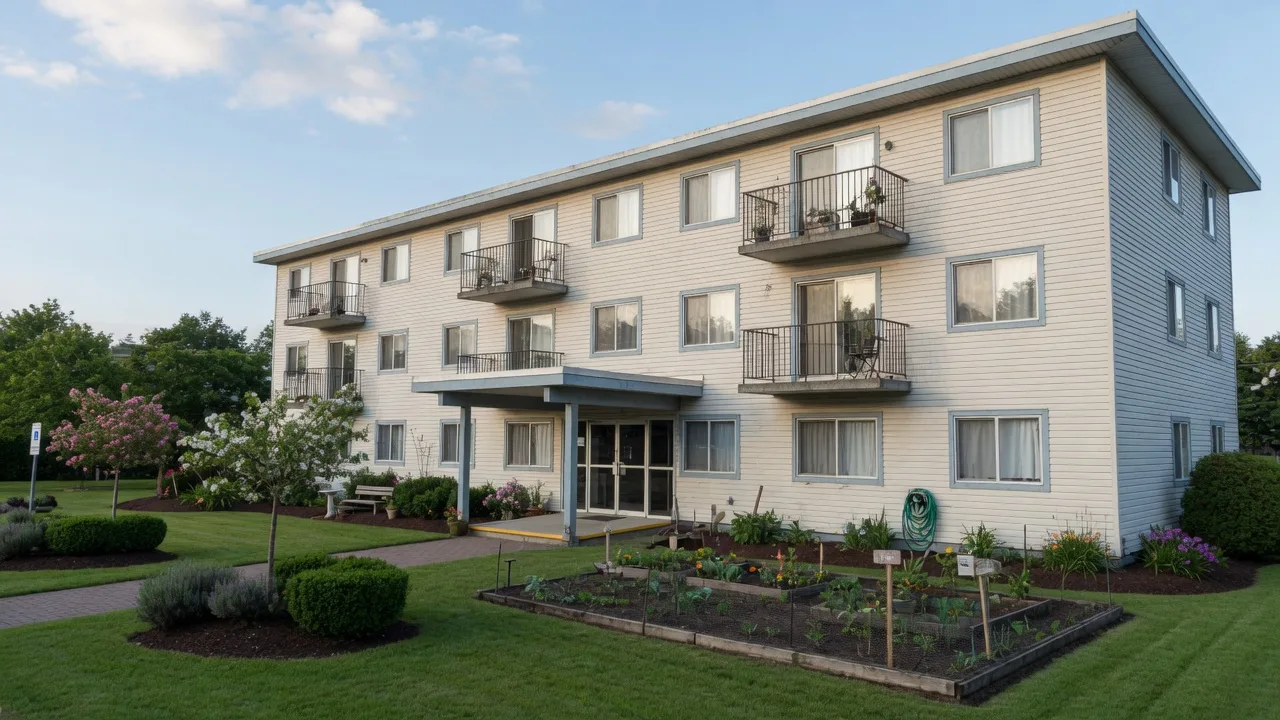
For seniors in Greater Victoria who rent, or families helping a parent transition out of a family home, two provincial programs matter most: SAFER, the Shelter Aid for Elderly Renters benefit that pays a monthly rent subsidy to eligible tenants, and The Housing Registry, the centralized waitlist for subsidized seniors housing where rent is set to income. Both are run by BC Housing, both have clear eligibility rules, and both are worth applying for early, because waitlists and paperwork take time. This guide explains how each program works, who qualifies, and how to apply, in plain language.
Program details change, so treat this article as a starting point and confirm current rules, income limits, and forms with BC Housing before you apply.
Two different programs, two different purposes
It helps to keep the two programs straight from the start. SAFER helps seniors who already rent on the open market, or who pay pad rent in a manufactured home park, by contributing a monthly amount toward rent. Subsidized seniors housing, applied for through The Housing Registry, is housing itself: non-profit and government-supported buildings where rent is usually set at about 30 percent of gross household income.
A senior can be on the registry waitlist and receiving SAFER at the same time, and many do exactly that while they wait. The two programs serve different needs, and the question of which fits depends on a parent's income, savings, location preferences, and how soon they need to move.
SAFER: monthly help for senior renters
SAFER provides a monthly cash payment toward rent for eligible seniors. The purpose is straightforward: when rent eats more than 30 percent of before-tax household income, the benefit helps close the gap, paid directly to the senior or household.
To qualify, a person generally needs to be age 60 or older, have lived in BC for the full 12 months immediately before applying, meet citizenship and residency requirements, and pay more than 30 percent of their gross monthly household income toward rent, which includes manufactured home pad rent. The program is not available to someone receiving income or disability assistance under BC's Employment and Assistance Act.
The income limit matters: the qualifying gross household income limit was raised to $40,000 per year as of April 2025, up from about $37,240, which expanded eligibility for many Greater Victoria seniors. Payments vary by income and rent, but the average SAFER payment has been about $337 per month in recent years. For a senior on a fixed income in the Capital Regional District, that amount can make the difference between a comfortable rental and an impossible one.
Applying is straightforward. The SAFER application form, published as form HOU-035, is available on the BC Housing website at bchousing.org/SAFER, or by calling 1-800-257-7756. You submit it with supporting documents, such as the tenancy agreement, income information, and status documents, by online upload through BC Housing's portal, by fax, or by mail.
The Housing Registry: the waitlist for subsidized seniors housing
Most subsidized seniors housing in BC is applied for through The Housing Registry, a single centralized application that places a senior on waitlists for non-profit and government-supported buildings. Seniors age 55 and over qualify as a household group, and applicants must live in BC and meet income and asset thresholds.
Rent in subsidized housing is geared to income, typically about 30 percent of gross household income, which is a very different financial picture than market rent in Victoria, Langford, or Sidney. Because the demand is far greater than the supply, waitlists are long, commonly two to five years or more in high-demand areas, so the single most important piece of advice is to apply as early as possible, even if a move is not imminent. It costs nothing, and time on the list is not something that can be bought back later.
Selection from the registry is not first come, first served. When a unit opens up, housing providers choose applicants based on unit availability in preferred areas, household income, unit size and type, and priority status for health and safety needs or housing instability. That means it is worth applying even if a parent seems unlikely to be at the top of a list soon: circumstances change, and priority criteria matter more than rank.
The practical steps for families helping a parent
- Apply early and broadly. Complete the Housing Registry application and apply for SAFER, even if you are unsure about income limits or timing. Non-profit and co-op housing outside the registry are also worth exploring.
- Keep the file active. Registry files must be renewed and updated regularly, typically every year, and staying in contact matters. Declining two housing offers can require a full reapplication, so understand the rules for your situation.
- Gather documents now. Income statements, tax information, ID, and proof of status sit ready in most applications. Collect them before the paperwork starts.
- Understand what SAFER covers and does not cover. It helps with rent in the private market and pad rent in manufactured home parks, and it cannot be combined with certain income assistance situations. Confirm the current rules with BC Housing.
- Separate housing from care. Subsidized seniors housing and subsidized care options such as assisted living through the health authority are different systems with different applications. If a parent needs care, our guide to senior housing options in Greater Victoria walks through the full landscape.
For families navigating the financial side of the decision, remember that renting is also a way to try a neighbourhood before committing to a purchase. Our guide to renting before buying after downsizing covers why that works well for many retirees moving out of a family home.
A few honest truths about the process
First, the system rewards patience. Between income documentation, renewals, and waitlists measured in years, subsidized housing is a long game rather than an urgent one, so it works best as one track alongside other tracks: applying, saving, and keeping options open. Second, eligibility rules change. Income limits, application portals, and forms change over time, and a conversation with BC Housing by phone at 1-800-257-7756 answers questions faster than a web search.
Third, the emotional work is real. For a parent who has owned a home for decades, applying for subsidized rental housing can feel like a step in the wrong direction, even when it is a freeing one. Naming the two programs as practical tools, not verdicts, and letting a patient, kind conversation carry the decision, usually helps more than any spreadsheet can.
Frequently asked questions
Who qualifies for SAFER in BC?
In general, seniors age 60 and older who have lived in BC for the full 12 months before applying, meet citizenship and residency requirements, pay more than 30 percent of gross household income toward rent (including manufactured home pad rent), and are not receiving income assistance. Income limits apply, currently capped at $40,000 in gross annual household income.
Can a senior be on the subsidized housing waitlist and get SAFER at the same time?
Yes. Many seniors on The Housing Registry continue collecting SAFER while they wait for a subsidized unit, since the subsidy helps with current market rent. Confirm the details for your parent's situation with BC Housing.
How long is the wait for subsidized seniors housing in Greater Victoria?
Waitlists are long, commonly two to five years or more in high-demand areas, though selection is based on priorities rather than first come, first served. That is why applying early matters more than timing a move around today.
What is rent in subsidized seniors housing?
Rent in subsidized housing is set by income, typically about 30 percent of gross household income, though a minimum rent may apply. The exact calculation depends on income, household size, and unit type for your parent's file.
Does SAFER help seniors who own a manufactured home in a pad-rent park?
Yes, in many cases. Pad rent for manufactured home residents can count toward the rent calculation for SAFER eligibility. It is a common situation for seniors who keep their home and simply change where it sits, and BC Housing can confirm whether it applies to your parent.
Housing decisions deserve time and good information.
Whether your family is weighing subsidized housing, market rent, or selling and buying a smaller home, I help Greater Victoria seniors and their families see the full picture before they decide. If you would like to talk it through together, I am here to help you confidently navigate one of life's biggest housing transitions.
Reach Out AnytimeThis article is for general information only and is not legal or financial advice. Confirm current eligibility, income limits, and application details with BC Housing before applying.