
10 Signs It's Time to Downsize: How to Know When Your Home No Longer Fits Your Life

Andrew Holenchuk
Victoria Property Group · eXp Realty
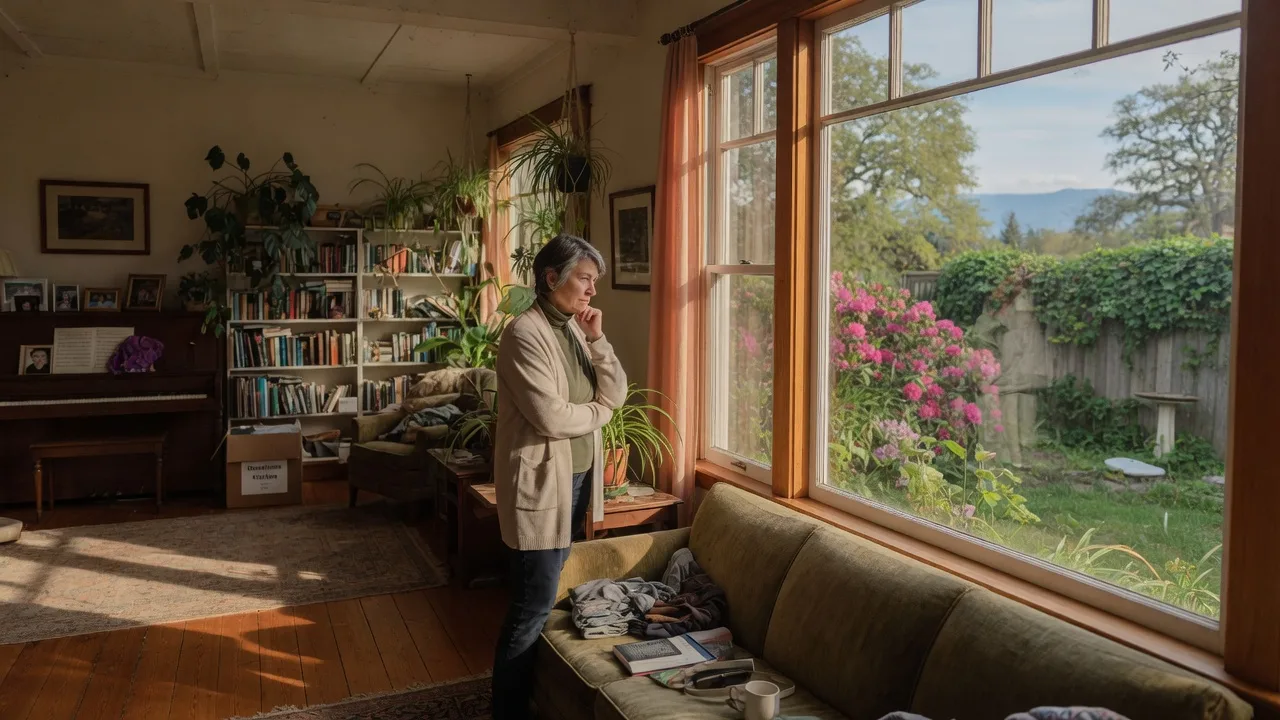
For many homeowners in Greater Victoria, the question of whether to downsize doesn't arrive as a single decisive moment. It creeps in gradually. A room you once used every day now sits quiet for weeks. The stairs feel a little harder to manage. The garden you used to love tending has become a weekend chore you dread.
Knowing when it's time to make a housing transition is one of the hardest parts of the journey. The family home has served you well, and leaving it feels like letting go of more than just a building. But recognizing the signs early can help you plan thoughtfully, avoid a crisis-driven move, and make a decision on your own terms.
This guide walks through ten common signs that your home may no longer fit your life, with practical guidance for each one. None of these alone means you must move. But if several resonate, it may be time to start exploring what your next chapter could look like.
Sign 1: You have rooms you no longer use
The formal living room that hasn't been sat in for months. The spare bedroom that's become storage space. The dining room used twice a year. When whole areas of your home sit empty most of the time, you are paying to heat, cool, insure, and maintain space you do not need.
In Greater Victoria, where real estate values are significant and property taxes continue to rise, unused square footage is a quiet monthly expense. A thoughtful downsizing move can free up that money for things that actually enrich your life, whether that is travel, hobbies, or simply a smaller monthly overhead.
Sign 2: Maintenance feels overwhelming
There was a time when cleaning the gutters, painting the fence, and maintaining the garden felt like normal weekend work. If those tasks now feel heavy or tend to get deferred for weeks or months at a time, your home may be asking more of you than you want to give.
Homes need ongoing attention. A single-family detached property in Saanich, Oak Bay, or Victoria requires constant upkeep, from the roof and windows to the yard and driveway. When that upkeep becomes a source of stress rather than pride, it is worth considering whether a townhome, condo, or patio home with managed maintenance would better suit your lifestyle.
Sign 3: Stairs are becoming a daily consideration
You may not need single-level living today. But if you find yourself carrying laundry up and down multiple flights less often, or if you pause at the bottom of the stairs before heading up, it is worth planning ahead. Many Greater Victoria downsizers tell me that stairs were the first practical sign that their home was no longer right for them.
The good news is that Victoria, Langford, Sidney, and other communities across the region have excellent options for single-level living, from ground-floor condos to ranchers and patio homes in 55+ communities. Making the move while you can still choose your next home on your own timeline is far better than needing to move after a fall or health change.
Sign 4: Your utility bills keep climbing
Heating and cooling a large home is expensive, and costs rise every year. If you are paying to heat bedrooms nobody sleeps in and living spaces you rarely use, downsizing to a smaller, more energy-efficient home can significantly reduce your monthly expenses.
Modern condos and townhomes in Greater Victoria often feature heat pumps, energy-efficient windows, and better insulation than older detached homes. Many of my clients are surprised by how much their utility bills drop after moving into a well-built condo or townhome in a neighbourhood like View Royal, Colwood, or Central Saanich.
Sign 5: You feel isolated in your current location
If your social life, medical appointments, and daily errands require a car for every trip, you may be ready for a more walkable location. Greater Victoria has many neighbourhoods where daily life is easier without relying on driving, including downtown Victoria, Oak Bay Village, Sidney-by-the-Sea, and the Olympic View area of Langford.
Walkability is one of the top priorities for downsizers in our region. Being close to shops, healthcare, transit, and community centres can transform your quality of life and make it easier to stay connected and active as you age.
Sign 6: Your family has moved on
The family home made perfect sense when children were growing up, friends visited often, and holiday gatherings filled every room. But when the kids have their own homes, when gatherings have moved to other locations, or when the neighbourhood has changed around you, the family home can start to feel emptier than it should.
For many long-time Greater Victoria homeowners, this is the most emotional sign to acknowledge. The home that was once full of life can begin to feel like a museum of memories rather than a place that supports your present life. Honouring those memories while making space for a new chapter is one of the central challenges of downsizing, and it is one that many families across Victoria, Esquimalt, and Saanich navigate with compassion and care.
Sign 7: You want to unlock your home equity
For many Greater Victoria homeowners, their home represents their single largest financial asset. Selling a large family home and moving to a more affordable property can free up significant equity for retirement income, travel, helping adult children, or simply enjoying a more financially comfortable lifestyle.
The financial case for downsizing in Victoria is often strong. Many long-time homeowners have seen substantial appreciation over the years, and moving to a smaller home in a less expensive part of the region, or even the same neighbourhood, can unlock hundreds of thousands of dollars in tax-free equity thanks to the principal residence exemption. If financial freedom is calling, downsizing may be the key.
Sign 8: You are ready for less stuff
Decluttering is often the most practical and emotional challenge of downsizing. If you look around your home and feel weighed down by the volume of belongings you have accumulated, that feeling does not go away on its own. The desire to live with less, to own only what you use and love, is one of the best reasons to make a housing transition.
A smaller home naturally limits what you can keep, which can be liberating. Many of my clients in Sidney, Oak Bay, and Langford tell me they feel lighter and freer after downsizing. The process of sorting and letting go is not easy, but the result is a home that contains only what truly matters.
Sign 9: You worry about what happens if your health changes
None of us want to plan for a future where our health declines. But thoughtful downsizers know that making a move while you are healthy and in control of the decision is far better than being forced into a housing change by a medical event.
A single-level home with wide doorways, zero-step entry, and accessible bathrooms can keep you independent longer. Many condos and 55+ communities in Greater Victoria are designed with accessibility in mind, from the Broadway area of Langford to the retirement-friendly neighbourhoods of Central Saanich and North Saanich. If the thought of navigating your current home with a walker or wheelchair feels daunting, it is worth exploring options now.
Sign 10: You simply feel ready for a change
Sometimes the most honest sign is the simplest one: you are ready. You have lived your life in this home, and you feel called toward something new. Whether it is a condo overlooking the ocean in Victoria, a garden townhome in Colwood, or a community-focused retirement residence in Sidney, the desire for a fresh chapter is a valid and powerful reason to begin the conversation.
You do not need a dramatic reason to downsize. Wanting a life that is simpler, more manageable, and more aligned with who you are today is reason enough. Helping people confidently navigate one of life's biggest housing transitions is what I do every day, and I have seen firsthand that the best moves come from a place of readiness, not crisis.
What to do if several of these signs resonate
If you recognised yourself in three or more of these signs, you may be ready to begin the conversation about downsizing. Here is a practical starting point:
- Take your time. Downsizing is a process, not a decision you need to make overnight. Give yourself permission to explore the idea without pressure.
- Talk to family. Share what you are feeling with the people closest to you. Their support and perspective can be valuable.
- Explore your options. Visit a few neighbourhoods you are curious about, tour a condo or townhome, or research retirement communities. Seeing what is available makes the decision more concrete.
- Get professional guidance. An experienced local REALTOR® who specialises in downsizing can help you understand your home's value, explore your next housing options, and create a timeline that works for you.
Frequently asked questions
How do I know if I am truly ready to downsize or just going through a phase?
It is normal to feel uncertain. One helpful approach is to keep a journal for a month. Note how you feel about your home each day. Do the stairs bother you? Are you frustrated by the yard? Do you wish you had less to clean? Patterns will emerge over time, and they will tell you whether your feelings are temporary or lasting. Talking to a trusted advisor who works with downsizers daily can also provide helpful perspective.
What if my partner is not ready to downsize but I am?
This is one of the most common challenges I see. The best approach is open, ongoing conversation without pressure. Visit some show homes or condos together without any commitment. Sometimes seeing the possibilities firsthand can shift perspective. If the gap is significant, consider a phased approach where you declutter and prepare the home first, then revisit the timeline together.
Can I afford to downsize in Greater Victoria?
In many cases, downsizing can improve your financial position significantly. Selling a larger family home often frees up substantial equity, and a smaller home typically comes with lower property taxes, lower utilities, and reduced maintenance costs. That said, everyone's situation is different. A detailed financial analysis with your REALTOR® and financial advisor can give you clear numbers to work with.
What if I downsize and regret it later?
This concern comes up often, and it is entirely valid. The best way to reduce the risk of regret is to be thorough in your planning. Rent in the area you are considering before you buy. Spend time in a smaller space to see if it suits your lifestyle. Work with a professional who can help you think through the long-term implications. Most people I have worked with tell me their only regret was not making the move sooner.
How long does a typical downsizing process take in Greater Victoria?
From the first conversation to moving day, most downsizing transitions take three to six months. That timeline can be shorter if you are ready to move quickly, or longer if you want to prepare slowly. The key is to start the conversation early so you have time to explore your options, prepare your home, and make thoughtful decisions without feeling rushed.
Not sure where to start?
I have helped hundreds of Greater Victoria homeowners recognise when it is time for a change and navigate the transition with confidence. Whether you are just beginning to wonder or ready to take the next step, I would be honoured to help.
Let's Talk