
Selling a Vacant Home in Greater Victoria: How to Prepare, Secure, and Sell an Empty House

Andrew Holenchuk
Victoria Property Group · eXp Realty
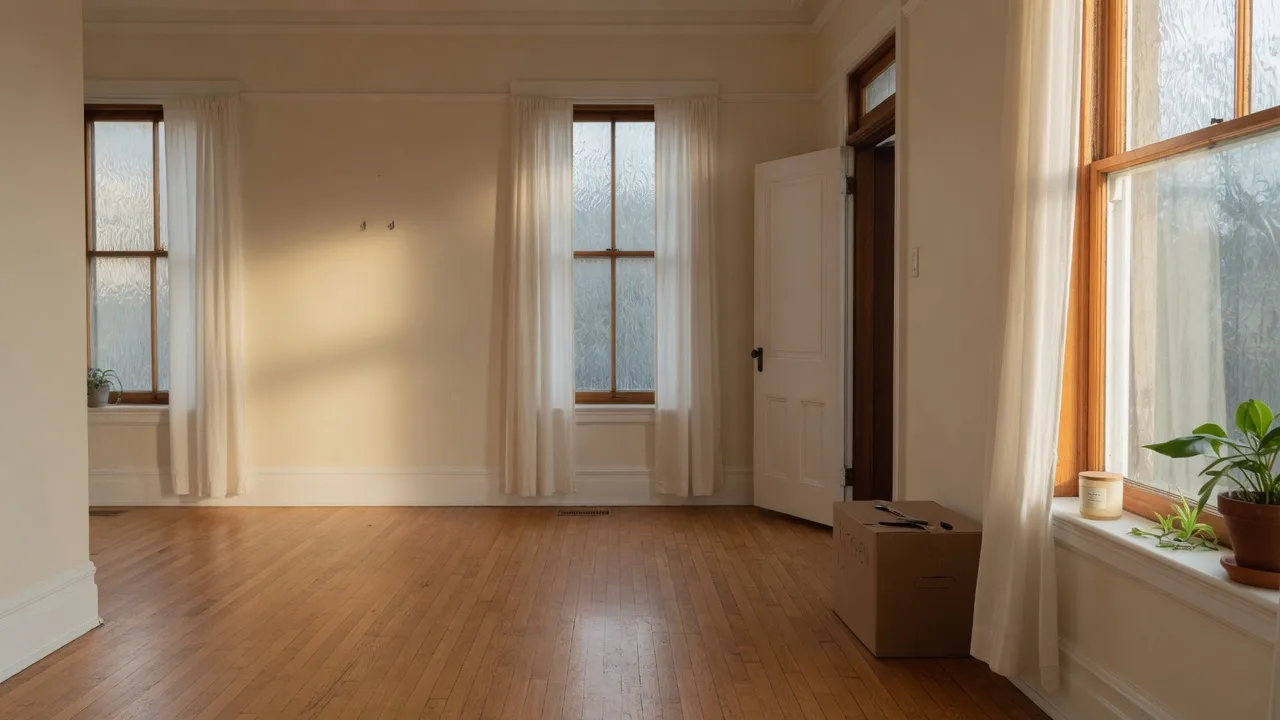
There are many reasons a home in Greater Victoria goes on the market empty. You may have already moved into your new place, a parent has relocated to a care residence, an estate is being settled after a loss, or you live in another city and are selling from a distance. In every case, the same question comes up: what does it take to sell a vacant house well?
This guide walks through the practical steps of selling an empty home in Greater Victoria, from insurance and security to presentation and timing. It is education, not insurance, legal, or tax advice. For details that apply to your specific property and policy, your insurer and real estate team will confirm what fits your situation.
Why selling a vacant home needs its own plan
A vacant home is not simply a lived-in home with the furniture removed. It carries different risks, needs different insurance, and shows differently to buyers. Left on its own, an empty house can fall victim to unnoticed water leaks, vandals, or weather damage between visits. It can also feel cold and uninviting to buyers, which affects how quickly it sells and what it sells for.
The good news is that each of these challenges has a straightforward answer. With a little planning, an empty home can be protected, present beautifully, and sell on a strong timeline. The key is to address insurance and security before you leave, and to keep a consistent maintenance and showing routine while it is listed.
Protect the home before it sits empty
Review your vacancy coverage with your insurer first
Most standard home insurance policies are written for a home that is lived in. In Canada, a home left unoccupied for roughly 30 days or more is often treated as vacant, and at that point many policies restrict or reduce coverage. The exact threshold and terms vary by insurer and policy, so this is not something to guess at.
The safest approach is to tell your insurer or broker as soon as you know the home will be empty, and to explain why and for how long. They can add a vacancy endorsement or help you move to coverage designed for an empty home. Getting this in place before a loss matters far more than after one. Do this first, before the house sits, so there is no gap in protection.
Secure the property inside and out
An empty home is more tempting to trespassers, so a few simple steps go a long way. Lock every door and window, including the basement and garage. Consider a smart lock or a key box that lets your realtor manage showings without leaving a key hidden outside. Keep the mailbox cleared or have a neighbour collect mail, because an overflowing box is a clear signal the home is unoccupied.
Lighting matters too. Exterior lights on a timer or motion sensor make a home look lived in and discourage after-hours visitors. In the Coastal climate around Victoria, it is also wise to have a trusted person, a neighbour, or a property manager check the interior on a regular schedule. A routine check catches small problems like a running toilet or a leak before they become large ones.
Manage utilities and the elements
What you do with the utilities depends on the season and how long the home will sit. In colder months, keep the heat at a reasonable level rather than turning it off entirely, which can lead to frozen pipes. Leave the water running normally or shut it off at the main and drain the lines if the house will be empty through winter, and ask your plumber or realtor which approach suits the property.
Keep the electrical on so security systems, alarms, and exterior lights work. Keep the internet or phone line if you want a smart thermostat, a monitored alarm, or remote cameras you can check from your phone. Wherever the home is in the region, from a hillside home in Highlands to a waterfront property in Sidney, wind, rain, and moisture need to be managed, not ignored.
How to present an empty home to buyers
There is a common worry that an empty home looks less appealing than a furnished one. The truth is that an empty home has a real advantage: buyers can see the rooms for what they are without being distracted by your furniture and belongings. The key is to keep it clean, light, and easy to imagine living in.
Empty rooms can echo and feel sterile, so add a little warmth. A simple coat of paint in a warm neutral tone, clean windows, and polished floors make a strong first impression. For many sellers, light staging of the main living areas is worth it, because a staged vacant home tends to show better in photos and feel more inviting in person. Your realtor can advise whether full staging, partial staging, or virtual staging suits your home and price point.
Because no one is living in the home, it will stay show-ready. There is no need to tidy before each viewing, which makes showing an empty home far easier on your schedule, especially if you are managing the sale from another city or another province.
Selling from out of town or out of province
A large share of vacant-home sales in Greater Victoria are handled by owners who no longer live nearby, including adult children settling a parent's estate, snowbirds managing a second home, and families who have moved for work. Selling at a distance is very manageable when you have a team on the ground you trust.
Your realtor can coordinate inspections, tradespeople, stagers, and photographers, and can arrange for a property manager or neighbour to let workers in and check on the home. Most documents can be reviewed and signed remotely with your lawyer or notary, so you rarely need to be in the city in person. This is one of the clearest cases where choosing a local realtor with an established network makes the process far smoother.
Timing the listing of a vacant home
A vacant home gives you unusual flexibility on timing. Because there is no overlap between selling and buying to manage, you can choose a listing window that suits the market rather than your moving date. You can also hold possession clear, which many buyers value because it simplifies their own move.
That said, an empty home still benefits from being priced and marketed for the local market at the time. Conditions can differ between communities, whether you are selling a character home in Oak Bay, a townhome in Saanich, or a newer build in Langford. Your realtor will price it against current comparables and adjust as needed, just as they would for any home.
A checklist for selling your vacant home
- Call your insurer before the home sits empty and arrange vacancy coverage or an endorsement.
- Secure the property: lock all entry points, set up a key box or smart lock, and arrange mail pickup.
- Plan utilities: keep heat and electrical on, decide on water, and keep alarms and cameras working.
- Arrange regular check-ins with a neighbour, family member, or property manager.
- Prepare the presentation: clean, refresh paint, and consider staging the main rooms.
- Build your team: a local realtor, property manager, and remote-signing lawyer or notary.
- Choose your listing window with your realtor, using the flexibility an empty home allows.
Frequently asked questions
How long can a home be vacant before it affects my insurance?
Many Canadian home policies treat a home as vacant after roughly 30 days of being unoccupied, though some policies use shorter periods. Tell your insurer or broker as soon as you know the home will be empty and arrange the right coverage before any loss occurs.
Should I turn off the water and heat in an empty home?
It depends on the season and how long the home will sit. In cold months, keep the heat at a safe level to avoid frozen pipes, and either keep water running normally or shut it off at the main and drain the lines. Ask your plumber or realtor which approach fits the property and the timing.
Do vacant homes sell for less than furnished homes?
Not necessarily. Empty homes often photograph cleanly and let buyers picture their own furniture in the space. Light staging of main rooms can help, and the sale price is set by the local market and the home's condition, not by whether it is furnished.
Can I sell a home in Victoria if I live in another province?
Yes. Many estate homes and snowbird properties are sold long-distance. A local realtor coordinates showings, inspections, and trades, and your lawyer or notary can manage remote signing so you rarely need to travel for the process.
Who keeps an eye on an empty house while it is for sale?
A trusted neighbour, family member, or property manager can check the interior on a regular schedule. Some sellers also use smart locks, alarms, and remote cameras to monitor the home from their phone between showings.
Selling an empty home in Greater Victoria?
I can help you plan every step, from securing and staging the home to marketing it well and coordinating everything from a distance. A clear plan makes a vacant home a straightforward sale.
Let's Talk