Selling a Manufactured Home in Greater Victoria: Parks, Title, and the Process

Andrew Holenchuk
Victoria Property Group · eXp Realty
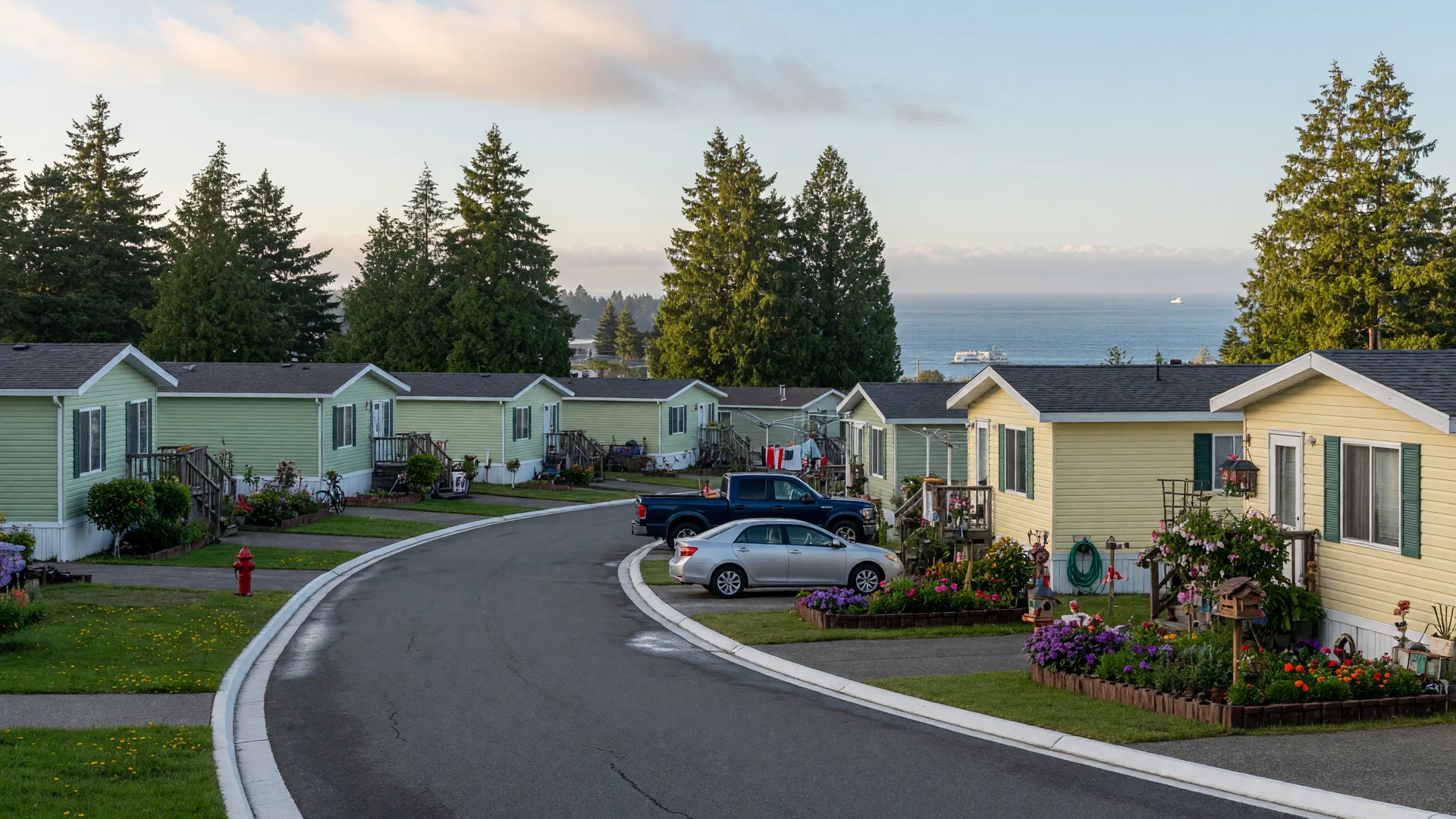
If you live in a manufactured home, often still called a mobile home, in a community around Greater Victoria, you own a home that is different from a conventional house in one crucial way: how it is bought and sold. Depending on whether your home sits on a rented pad or on land you own, the sale process can follow two very different paths, and getting them confused is the most common source of delays and lost deals.
This guide walks through both ownership models, explains the BC Manufactured Home Registry, and lays out the pad-approval step that can make or break a sale. It is educational information, not legal advice. A real estate professional experienced in manufactured homes, a lawyer, or a notary should work through the details with you before you list.
First, which type of manufactured home do you own?
The single most important question is whether you own the land under your home. In British Columbia there are two models, and everything about the sale follows from which one applies to you.
Home on a rented pad in a land-lease park
This is the classic "mobile home park" arrangement. You own the manufactured home itself, but you rent the pad it sits on from the park owner. The home is treated as personal property, sometimes called chattel, much like a car or a boat. Your tenancy on the pad is governed by BC's Manufactured Home Park Tenancy Act, which sets out pad rent, park rules, and the process for selling a home in the park.
Home on land you own
If your manufactured home sits on land that is titled in your name, often with the home permanently affixed to a foundation, then both the home and the land are real property registered at the Land Title Office. This model is bought and sold much like a conventional house, and it can often be financed with a standard mortgage. If you are not sure which model applies to you, a quick check of your paperwork, or a conversation with your lawyer or notary, will settle it in minutes.
Why the ownership model matters so much
In a land-lease park, the buyer is purchasing only the manufactured home, and the pad tenancy must continue under the new owner. In a fee-simple arrangement, the buyer is purchasing real estate, which is a familiar process for most buyers and lenders. These two realities change who can buy your home, how they can pay for it, and how long the sale takes.
It also affects the pool of buyers. A manufactured home on owned land appeals to a wider range of buyers, including those using a conventional mortgage. A home on a rented pad depends on buyers who are willing to take over your pad tenancy and who can arrange a personal-property (chattel) loan, which fewer buyers are set up to do.
The BC Manufactured Home Registry: BC is different
British Columbia is unique in Canada in requiring every purchase and sale of a manufactured home to be recorded in the Manufactured Home Registry. If your home is in a land-lease park, this registry, not the Land Title Office, is where the equivalent of a title search happens. Liens, security interests, and ownership are all recorded here, and a seller's lawyer or notary typically prepares the Bill of Sale and the ownership transfer forms and files them with BC Registries.
Because the registry is the record of ownership, a buyer (or their lender) will check it before closing. If there are outstanding liens, unpaid pad rent, or a recorded security interest against the home, those issues must be resolved before the transfer can complete. This is one of the reasons it pays to gather your paperwork before you list: the registration certificate, the pad tenancy agreement, and any documents showing the home is paid off or the current mortgage balance on it.
The pad assignment: the step that can make or break a sale
If your home is in a land-lease park, your pad tenancy must be assigned to the buyer as part of the sale. This is not automatic. The process is set out in BC's Manufactured Home Park Tenancy Regulation:
- The seller requests the park owner's consent to assign the pad tenancy to the buyer.
- The park owner must respond within roughly ten days, and consent is considered given if there is no timely response.
- If the park owner refuses consent, the seller must apply to the Residential Tenancy Branch for a dispute resolution hearing.
- The buyer's finances and suitability matter, because they are becoming the park's tenant.
This step needs to be planned as part of the listing strategy, not discovered on the way to closing. A buyer cannot complete a purchase without a workable pad tenancy, and a lender will not advance a chattel loan without seeing the assignment in motion. Sellers who line up park approval before, or at the very start of, marketing their home avoid the single biggest cause of collapsed manufactured-home deals.
Financing: what buyers will face
Expect most buyers of a manufactured home on a rented pad to need a chattel loan rather than a mortgage. Chattel loans typically carry higher interest rates and shorter terms than conventional mortgages, and fewer lenders offer them. This reality affects the price your home can command and your marketing strategy. It helps to price realistically from day one and to present the home in the kind of condition that makes lenders comfortable, with documentation ready to show the pad rent, the tenancy agreement, and the home's registration.
For a manufactured home on land you own, a conventional mortgage is usually possible, which widens the buyer pool considerably. This difference is a big part of why fee-simple manufactured homes sell faster and at higher prices than equivalent homes on rented pads.
Preparing your manufactured home for sale
- Confirm registration is up to date. Have your Manufactured Home Registry records checked so there are no surprises at the transfer stage.
- Verify certification and compliance. Modifications and older units should carry the required certification and safety labels; buyers and parks may ask. Unknown additions that cannot be documented are a common sticking point.
- Have a home inspection done. Roofs, skirting, plumbing, and heating are the systems buyers worry about most in a manufactured home. Knowing the condition early lets you decide what to fix and what to disclose.
- Keep pad documents current. Have your tenancy agreement, current pad rent, and any park rules ready. Buyers and their lenders will want them promptly.
- Review park rules on selling. Some parks regulate signage, curb appeal upgrades, and who may purchase. Understanding these rules in advance sets the right expectations.
- Price with true comparables. In a land-lease park, comparable sales are other homes in the same or similar parks, not houses on owned land. An experienced local professional can pull the right numbers.
Manufactured home living and downsizing in Greater Victoria
Manufactured home communities are part of the housing mix across Greater Victoria, from the West Shore out to Sooke and on parts of the Peninsula. For many downsizers they are an attractive option: single-level living, a smaller footprint to maintain, a close community of neighbours, and a purchase price well below a conventional condo or house. Some parks are age-restricted or adult-oriented, which suits many retirees, while others welcome families, so the right park depends on your lifestyle.
If you are selling one of these homes, the practical message is to treat it as its own specialty. The registry, the pad assignment, and the financing realities make manufactured home sales genuinely different from selling a house, and working with someone who has done this specific work in this specific region can save you weeks and thousands of dollars.
Where to get trusted, current information
Because the rules change and the details matter, rely on authoritative sources rather than well-meaning advice. The BC Financial Services Authority consumer guide to manufactured homes explains ownership, registration, and your rights and obligations as a seller. The BC government's Manufactured Home Park Tenancy Act and its regulation are the governing law for pad tenancies, and the Residential Tenancy Branch handles pad-assignment disputes. Your lawyer or notary can walk you through the registry transfer forms, and a knowledgeable local REALTOR® with manufactured home experience can guide the marketing and the pad-approval sequence from start to finish.
Frequently asked questions
Do I own the land my manufactured home sits on?
Only if you hold title to it. If you rent the pad in a land-lease park, the park owner owns the land and your home is personal property. This is the first fact to confirm, because it determines the entire sale process.
Can a buyer get a mortgage for a manufactured home in a park?
Usually not a conventional mortgage. On a rented pad, buyers typically need a chattel, or personal property, loan, which has higher rates and shorter terms. A manufactured home on owned land with a permanent foundation can often qualify for a conventional mortgage.
Does the park owner have to approve the buyer?
Yes. Your pad tenancy must be assigned to the buyer, and the park owner's consent is required. The owner has roughly ten days to respond under BC's Manufactured Home Park Tenancy Regulation, and consent is deemed given if there is no timely response. If consent is refused, the matter goes to the Residential Tenancy Branch for dispute resolution.
What happens if the park owner refuses to assign the pad?
The seller must apply to the Residential Tenancy Branch, and the process can take weeks. Because most buyers cannot wait that long, homes in this situation often sit unsold. Planning the pad assignment before you list is the best protection against this outcome.
Is a manufactured home a good downsizing option in Greater Victoria?
For the right person, yes. Single-level layouts, lower purchase prices, and built-in community appeal are real advantages. The trade-offs are pad rent, park rules, and the more limited resale market. Visiting several parks, reading their rules carefully, and understanding the costs before you commit is the responsible way to decide.
About the author
Andrew Holenchuk is the Team Leader of Victoria Property Group at eXp Realty. Since 2006, he has been helping people confidently navigate one of life's biggest housing transitions in Greater Victoria, including the specialized work of selling manufactured homes and land-lease properties across the region.
Let's Talk