
Selling Your Home While Still Living In It: A Practical Guide for Downsizers

Andrew Holenchuk
Victoria Property Group · eXp Realty
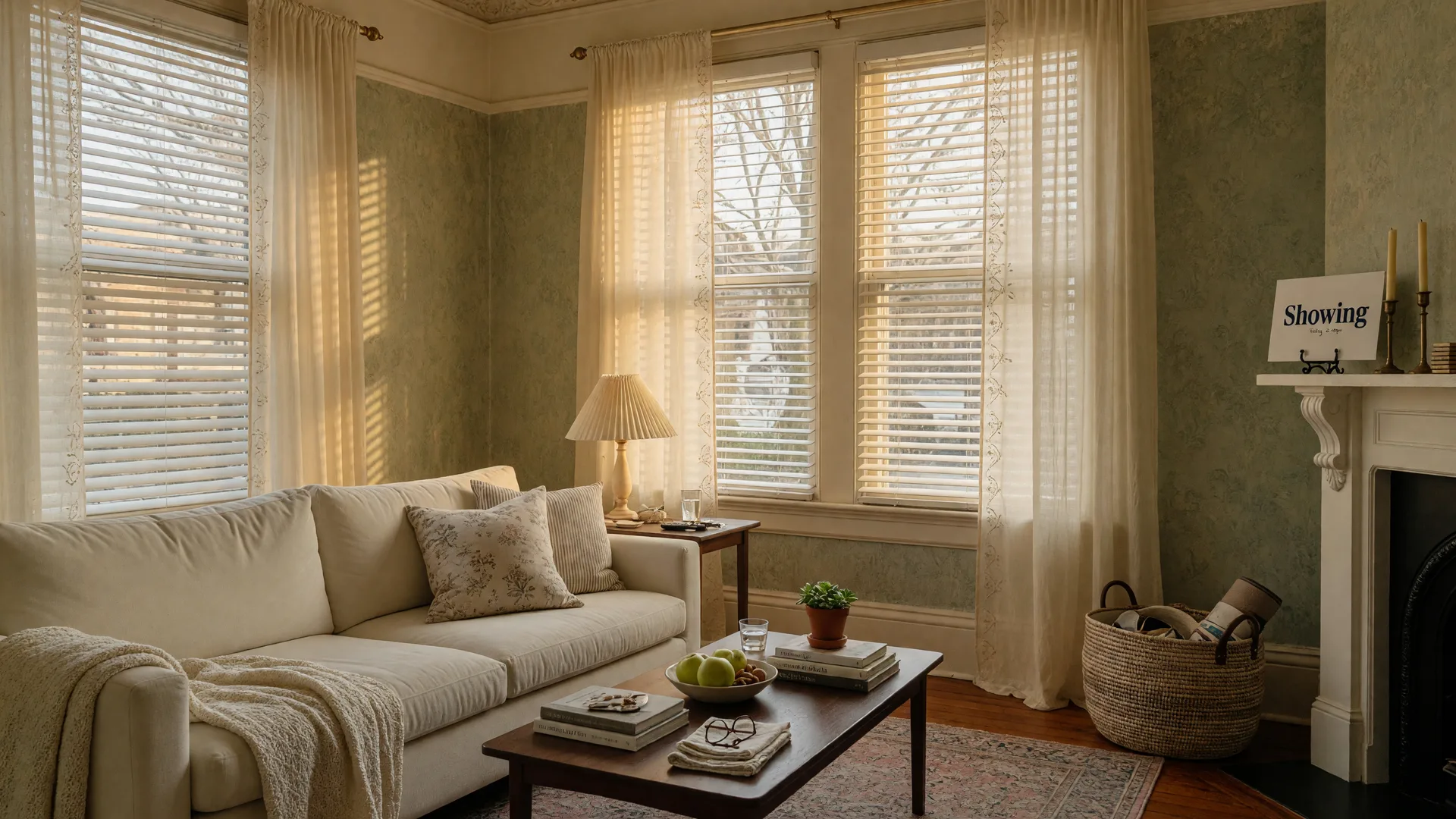
Many downsizers face a practical challenge that does not get nearly enough attention: how do you sell your home while you are still living in it? Unlike a vacant home that can be kept pristine at all times, a lived-in home requires daily effort to stay show-ready. And that effort comes on top of the emotional and logistical work of preparing for a move.
For homeowners in Greater Victoria who need the proceeds from their sale to fund their next home, selling first and moving later is often the most practical path. The good news is that with the right systems in place, living in your home during the sale process is entirely manageable. This guide covers exactly how to keep your home market-ready, your stress levels low, and your sale on track.
The reality of selling while living in your home
When your home is on the market, it is essentially a product that buyers tour, evaluate, and compare. That means your home needs to look its best at all times, including when an agent calls with 30 minutes notice for a showing.
The biggest adjustment for most people is the loss of spontaneity. You cannot leave dishes in the sink, toss clothes on a chair, or let the morning mail pile up on the counter. Your home needs to be ready for an unannounced guest at nearly any moment.
This adjustment is real, and it is okay to acknowledge that it can be tiring. But it is temporary. Most homes in Greater Victoria that are priced correctly and well-presented sell within a set period, and the disciplined daily routine you maintain during those weeks pays off in the final sale price.
Create your showing-ready morning routine
The most effective strategy is to build a quick daily routine that gets your home show-ready in 15 minutes or less. Here is a system that works:
- Make the beds as soon as you get up. This single action makes every bedroom look instantly neat.
- Clear kitchen counters. Put away small appliances, wipe down surfaces, and load dirty dishes into the dishwasher (run it if needed).
- Stash bathroom items. Toothbrushes, toothpaste, soap bottles, and towels all go into a small bin or drawer. Wipe counters and mirrors.
- Fluff cushions and straighten throws. Two minutes of tidying transforms the living room.
- Sweep or vacuum high-traffic areas. A quick pass over the kitchen, entry, and main living area makes a noticeable difference.
- Take out the trash if it is full or fragrant.
The key is consistency. After a week, this routine becomes automatic. Many downsizers tell me they actually enjoy how tidy their home feels during the selling period.
The stash-and-go system for showings
When you get a call that a showing is coming in 30 or 60 minutes, you need a system that lets you tidy quickly and leave. The stash-and-go approach uses three portable bins or baskets that make it easy to clear surfaces in minutes:
- Kitchen basket: Collect small appliances, dish soap, sponge, mail, and counter items. Slide the basket into a cabinet or pantry.
- Bathroom basket: Gather toiletries, cosmetics, hair tools, and personal items. Place it in the linen closet or under the sink.
- Living area basket: Collect remote controls, magazines, books, mail, and any small items scattered on tables. Stash in an ottoman or sideboard.
Keep these baskets easily accessible so you can deploy them quickly. When the showing ends, simply pull out your baskets and return items to their places. This system is particularly helpful for families with children, where toys and supplies tend to migrate throughout the day.
Managing your daily life during the selling period
Plan your absences
Most showings require you to leave the property. This can be inconvenient, especially if you work from home or have limited mobility. Plan ahead by identifying places you can go during showings. A nearby coffee shop, the library, a friend's home, or a walk in one of Victoria's beautiful parks all work well. If showings are frequent, consider a rotation of spots to keep things interesting.
Cook with showing schedules in mind
Strong cooking odours can be off-putting to buyers. During the listing period, avoid cooking strong-smelling foods like fish, curry, or stir-fry when showings are possible. Use your oven hood fan, open windows, and consider simmering a pot of water with lemon and vanilla to create a pleasant neutral scent.
Manage pet logistics
If you have pets, you need a plan for showings. Remove pets from the home during showings, or confine them to a secure outdoor space if safe and weather-appropriate. Remove litter boxes, food bowls, and pet beds from sight. Clean up any pet hair on furniture and floors. Some sellers find it helpful to board their pets or arrange for a pet sitter during the first week of showings when activity is highest.
Simplify your wardrobe and daily items
During the listing period, reduce your daily-use wardrobe to items that fit neatly in your closet. Overstuffed closets read as "not enough storage" to buyers. Similarly, keep bathroom counters nearly empty. A minimalist look during showings photographs better and helps buyers see the space.
The role of your REALTOR in managing showings
A good REALTOR will minimize disruption by being thoughtful about showing schedules. Here is what you should expect from your agent:
- Group showings when possible, so you are not leaving multiple times in one day
- Provide as much notice as possible for each showing typically at least two hours
- Give you a daily or weekly showing calendar so you can plan ahead
- Collect feedback from every showing and share it with you promptly
- Be transparent about showing frequency so you know what to expect
If showings become overwhelming, talk to your agent about adjusting your showing window or implementing more restrictive showing hours on certain days. Your comfort matters, and a good agent will work with you to find a balance.
Should you move out before listing?
For some downsizers, moving out before listing is the right choice. If you have already purchased your next home or have the resources to move into temporary housing, an empty home can show beautifully and eliminates the stress of daily showings. However, this option is not practical for everyone. Selling while living in your home is a well-trodden path in Greater Victoria, and many homeowners manage it successfully.
The decision often comes down to your timeline and financial situation. If selling your current home is necessary to fund your next purchase, you will almost certainly need to sell while living there. If you have the flexibility to move first, you can eliminate the dual-home juggle entirely. I discuss both scenarios with my clients and help them choose the path that best fits their circumstances.
Preparing for a vacant or partially staged home
If you do move out before selling, your home will be vacant or partially staged. Staged homes often sell faster and for more money than empty ones. A professional stager can bring in furniture and accessories that highlight your home's strengths. The cost of staging is typically recovered through a higher sale price, and I can recommend trusted staging partners in Victoria who specialize in downsizer listings.
Even in a staged home, you will still need someone to keep the home clean and ready for showings. Many stagers offer a reset service between showings, or you can arrange for a cleaner to visit regularly.
Keeping your sanity during the process
Selling a home while living in it is a temporary season, but it can feel all-consuming while you are in it. Here are a few mindset strategies that help:
- Remember your why. You are selling your home because you have a vision for your next chapter. Keep that vision front of mind when the daily routine feels tedious.
- Set boundaries. You do not need to accept every showing. If you need an evening off, talk to your agent about blocking that time.
- Focus on what you can control. You cannot control market conditions or buyer preferences. You can control how well your home is presented and how responsive you are to feedback.
- Celebrate small wins. Each showing is a step closer to finding the right buyer. Each piece of positive feedback is validation that your preparation is working.
A note for adult children helping parents sell
If you are an adult child helping a parent navigate the selling process while they still live in their home, your support is invaluable. Here is how to help effectively:
- Help establish the morning routine and check in regularly to ensure it is sustainable.
- Offer to take pets or provide a place to go during showings.
- Help with deep cleaning tasks that are physically demanding.
- Be patient and encouraging. Your parent is living in a fishbowl for weeks, and that takes an emotional toll.
- Celebrate each milestone with them: the first showing, the first offer, the accepted offer.
Frequently asked questions
How long do most homes take to sell in Greater Victoria?
Selling timelines vary by season, price point, and neighbourhood. In a balanced market, well-priced and well-presented homes in desirable areas like Victoria, Oak Bay, or Saanich often sell within 30 to 60 days. In slower market periods or for unique properties, the timeline can extend. I provide all my clients with a realistic timeline based on current market data and comparable sales in their specific neighbourhood.
How many showings should I expect per week?
In an active market, you might have 8 to 15 showings in the first two weeks, tapering off after that. In a slower market, showings may be less frequent. The first weekend on the market typically sees the most activity. I prepare my clients for the rhythm of showings so there are no surprises.
Do I need professional photography if my home is lived in?
Yes. Professional photography, videography, and virtual tours are essential for marketing your home effectively. Most buyers begin their search online, and their first impression of your home will be from photos. A professional photographer knows how to make a lived-in home look spacious and inviting. I arrange all photography for my listings and coordinate with you on timing to ensure the home is camera-ready.
What about open houses?
Open houses can be effective, particularly in high-demand areas. They require a few hours of your time away from the home, and you will need to have the home in pristine condition. I discuss open house strategy with each client and only recommend them when they make sense for your specific property and market conditions.
Should I be home during showings?
No. Buyers need to feel free to open closets, peek into cabinets, and imagine themselves living in the space. When the homeowner is present, buyers and their agents feel awkward and the showing experience suffers. Always plan to be out of the home during scheduled showings. Your agent will coordinate this with you.
What if I need to cancel a showing?
Life happens. If you need to cancel a showing, let your agent know as early as possible. Frequent last-minute cancellations can frustrate buyer agents and reduce showing activity, so use this option sparingly. A well-organized schedule with blocked-off times for your personal needs helps prevent the need to cancel.
Thinking about selling your home?
I work with homeowners across Greater Victoria to create a selling plan that fits your lifestyle. Whether you plan to stay in your home during the sale or move out first, I can guide you through every step with clarity and care.
Let's Talk About Your PlanAbout the author: Andrew Holenchuk is Team Leader of Victoria Property Group at eXp Realty and has been helping families in Greater Victoria navigate housing transitions since 2006. He has facilitated more than $1 billion in real estate sales and is a trusted resource for homeowners navigating the practical side of selling and downsizing.