
What to Do After a Loved One Dies: Selling Their Home in Greater Victoria

Andrew Holenchuk
Victoria Property Group · eXp Realty
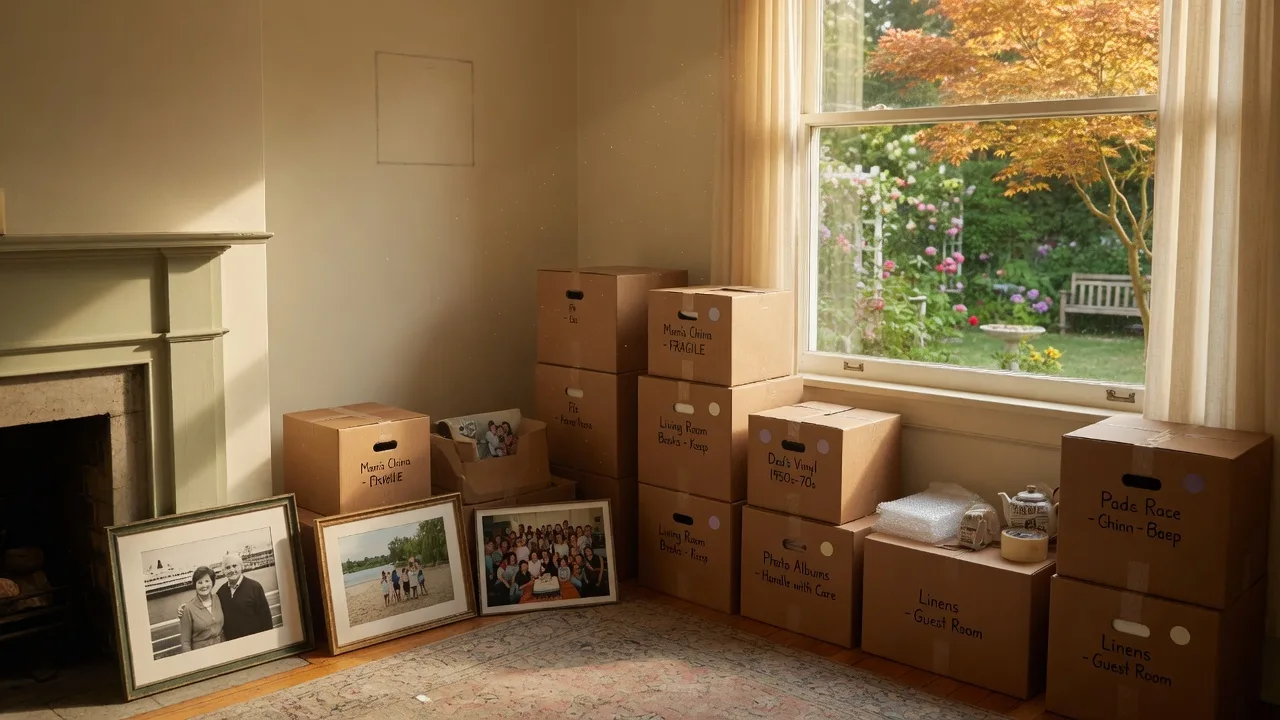
Losing someone you love is one of life's most painful experiences. And in the midst of grief, there's often a practical reality that can't be postponed: their home needs to be dealt with. Whether it's a parent's house in Saanich where you grew up, a spouse's condo in Victoria, or a family cottage on the Westshore, the task of selling a loved one's home while mourning is one of the most overwhelming combinations of emotional and logistical challenges a person can face.
This guide is written for the people who find themselves in that position — adult children, executors, surviving spouses, and family members who need practical, compassionate guidance for selling a home after a death in Greater Victoria. It won't replace the advice of a lawyer or accountant, but it will help you understand what's ahead, what you can do now, and what can wait.
First: give yourself permission to not rush
Before anything else, it's important to know this: you don't have to do everything immediately. In most situations, there is no deadline that requires you to list the property within weeks. The estate administration process — probate, asset distribution, tax filings — takes months. You have time to grieve, to gather information, and to make thoughtful decisions.
Many families feel external pressure — from financial obligations, family dynamics, or the sheer weight of maintaining an empty home — to move quickly. While addressing practical necessities (securing the property, maintaining insurance, managing utilities) is important, the decision about when and how to sell can be made deliberately.
A trusted REALTOR® who has worked with families in this situation will understand the need for patience and will never push you to act before you're ready.
Understanding your legal role
Before you can sell the property, you need to understand who has the legal authority to do so. This depends on how the home was owned and whether there's a will.
If there's a will
The will typically names an executor (sometimes called a "personal representative"). The executor is responsible for administering the estate, which includes selling real property if the will directs it. In British Columbia, the executor must apply for a Grant of Probate from the Supreme Court of BC before they can transfer or sell real estate held in the deceased's name alone.
Probate is the court process that validates the will and confirms the executor's authority. In BC, this process typically takes 2–4 months, though it can take longer if the estate is complex or the court is backlogged. During this period, you can prepare the home for sale, but you cannot legally complete a sale without the grant.
If there's no will (intestate)
If there's no will, the court will appoint an administrator — usually the closest next of kin — under BC's Wills, Estates and Succession Act (WESA). The process is similar to probate but may take longer, as the court needs to determine the rightful heirs. Until an administrator is appointed, no one has legal authority to sell the property.
Joint tenancy and survivorship
If the home was held in joint tenancy with a right of survivorship (common between spouses), the property typically passes automatically to the surviving joint tenant upon death — no probate is required for the real estate. However, there may still be estate administration obligations for other assets, and the survivor should consult with a lawyer to confirm the title transfer process.
If the home was held as tenants in common, the deceased's share forms part of their estate and must go through probate.
The practical steps: a suggested order
Here's a general sequence for families navigating the sale of a loved one's home. Every situation is different, so use this as a framework rather than a rigid checklist.
Step 1: Secure and protect the property
- Change the locks or ensure you have secure access.
- Notify the insurance company of the death and confirm the property remains covered. Most homeowner policies have a vacancy clause — if the home is unoccupied for more than 30–60 days, coverage may change.
- Set up utilities in the estate's name or maintain existing accounts to prevent service disconnection (especially heat in winter, which protects against pipe freezes).
- Collect mail and monitor for important correspondence — tax notices, insurance renewal, strata communications.
- Secure valuables and important documents (will, insurance papers, tax records, vehicle registrations).
Step 2: Get legal and professional guidance
- Estate lawyer: If you haven't already engaged one, an estate lawyer is essential. They'll guide you through probate, title transfers, and any legal complications. In BC, this is typically handled through a local law firm experienced in estate administration.
- Accountant: The estate will need final tax returns for the deceased (T1 return for the year of death, plus any prior returns). If the property generates rental income, there may be additional filing obligations.
- REALTOR®: An agent experienced with estate sales can provide a market evaluation, advise on preparation, and handle the unique aspects of selling an estate property. The right agent will work at the estate's pace, not push for a quick listing.
Step 3: Address the contents
For most families, dealing with a lifetime of belongings is the most emotionally difficult part of the process. It's also the part that takes the most time. Here are approaches that work:
- Distribute personal items to family first. Give family members the opportunity to claim items that are meaningful to them. This is often best done before the broader sorting begins.
- Hire a professional estate sale company. Greater Victoria has several reputable estate sale services that will sort, price, and manage the sale of household contents, typically taking a commission on proceeds. This removes much of the emotional and logistical burden.
- Donate usable items. Organizations like the Victoria Cool Aid Society, Habitat for Humanity ReStore (in Langford and Victoria), and the Salvation Army accept furniture, household goods, and clothing. Some will arrange pickup for larger items.
- Dispose of what's left. After distribution, donation, and sale, there will likely be remaining items. A junk removal service can handle the final cleanout efficiently.
- Take your time with sentimental items. There's no need to rush through boxes of photographs, letters, and personal effects. Set these aside and process them when you're ready — weeks or months later is perfectly fine.
Step 4: Assess the property's condition
Once the contents are managed, the home's condition becomes the focus. This is where practical decisions meet financial reality:
- Get a pre-listing inspection. In BC, sellers aren't required to provide an inspection, but having one proactively can identify issues before buyers find them, reducing surprises and negotiation leverage for the buyer.
- Evaluate major systems. Roof, furnace, hot water tank, electrical panel, plumbing — these are the items that buyers and their inspectors focus on. An older home in Victoria with original systems will need honest pricing or pre-sale upgrades.
- Decide between as-is and prepped. Sometimes the estate is better off selling the property in its current condition and pricing accordingly. Other times, modest investments (paint, carpet, cleaning, landscaping) can meaningfully increase the sale price. A knowledgeable REALTOR® can advise on the cost-benefit for your specific property.
- Address safety concerns. Overgrown vegetation, trip hazards, broken railings, and accumulated debris should be addressed for both safety and presentation reasons.
Step 5: Price and list the property
Pricing an estate property requires the same market analysis as any other sale, with an additional layer of sensitivity. Family members may have strong emotional associations with the home's value. A professional market evaluation based on recent comparable sales in the specific neighbourhood provides the objective foundation needed for pricing decisions.
In Greater Victoria, the time from listing to closing typically takes 3–5 months, which aligns well with the estate administration timeline. Many families find that the property is ready to list around the time probate is granted — if the preparation work is done in parallel.
Step 6: Navigate the sale
Selling an estate property in BC involves some additional considerations:
- The executor signs the listing agreement and purchase contract. All parties — buyers, their agents, and the executor's lawyer — need to understand who has legal authority to act.
- Disclosure obligations. The executor must disclose known defects, just as any seller would. If the executor hasn't lived in the home, the property may be sold with a "limited disclosure" or "as-is" clause, which typically results in a lower sale price but reduced risk for the estate.
- Capital gains and tax obligations. The estate is responsible for filing the deceased's final tax return, which may include capital gains on the property if it wasn't the principal residence or if it was partially used for income-producing purposes. An accountant should be involved from the start.
- Distribution of proceeds. The sale proceeds become part of the estate and are distributed according to the will (or intestacy rules). The executor manages this distribution after all debts, taxes, and estate expenses are paid.
Common challenges families face
In my experience working with families selling an estate property in Greater Victoria, the same issues come up repeatedly:
- Disagreements between siblings or family members. When multiple people have a stake in the outcome — emotional or financial — conflict is common. Clear communication, professional guidance, and a focus on the deceased's wishes can help. Sometimes, a mediator is useful.
- Sentimental attachment to the property. Selling the family home can feel like a second loss. Acknowledge this. You can honour the home and the memories it holds while still making the practical decision to sell.
- Deferred maintenance creating a gap between expectations and reality. A home that hasn't been updated in decades may be worth less than the family expects. Honest market analysis — not sentiment — should guide pricing.
- The volume of belongings. A house that was lived in for 40 or 50 years contains an enormous amount of material. Professional help is almost always worth the cost.
- Timeline pressure. Financial obligations (mortgage, insurance, property taxes, strata fees) continue regardless of the estate's timeline. Budgeting for these carrying costs is essential.
Greater Victoria neighbourhood considerations
The sale process and buyer demand vary across Greater Victoria's communities:
- Victoria and Oak Bay: Strong demand for character homes, even in need of updates. Well-located properties typically sell well regardless of condition.
- Saanich: A diverse market with strong demand for both detached homes and condos. Properties near the University of Victoria or along major transit routes tend to sell quickly.
- Langford and Colwood: Buyer expectations are higher here because so much new construction exists. Older homes may need more preparation to compete.
- Sidney and the Peninsula: Popular with retirees and second-home buyers. Well-maintained properties with ocean or mountain views command premiums.
- View Royal and Esquimalt: Growing demand from buyers seeking proximity to Victoria at more moderate price points. These areas can be excellent for estate sales.
A local REALTOR® with specific knowledge of your neighbourhood can position the property to attract the right buyers.
When families disagree
It's worth addressing this directly, because it's more common than people expect. When two or more family members are involved in the sale of a loved one's home, disagreements about timing, pricing, repairs, and even whether to sell at all are extremely common.
Some things that help:
- Clarify the legal framework. The executor has the legal authority and responsibility. Understanding this can reduce unnecessary conflict.
- Use professional data, not opinions. Market evaluations, inspection reports, and repair estimates provide objective information that removes some of the emotion from pricing and preparation decisions.
- Communicate early and often. Regular updates — even brief ones — prevent people from feeling left out or blindsided.
- Agree on a decision-making process upfront. Before diving into details, agree on how decisions will be made. Will you vote? Will the executor have final say? Will you defer to professional advice?
- Consider a family meeting with the REALTOR® present. A skilled agent can present the options, answer questions, and help the family reach consensus in a structured setting.
Frequently asked questions
How long does the probate process take in BC?
In British Columbia, the probate process typically takes 2–4 months from application to grant, though complex estates or periods of high court volume can extend this. Your estate lawyer can provide a more accurate timeline based on the specifics of your situation. During this time, you can prepare the home for sale but cannot legally complete the transaction.
Do I have to sell the property, or can I keep it?
It depends on the will. If the will directs the property to be sold, the executor is obligated to sell it. If the will leaves the property to a specific beneficiary, that person can choose to keep or sell it. If there's no will, the estate's assets — including real estate — are distributed according to BC's intestacy rules. Discuss your options with the estate lawyer.
What if the home needs significant repairs?
You have options. The estate can invest in repairs before listing (which may increase the sale price but costs money upfront and takes time), sell the property as-is at a lower price, or negotiate a renovation clause with the buyer. A REALTOR® experienced with estate sales can advise on the most financially sound approach for your specific situation.
Can I sell the home before probate is granted?
In BC, you cannot complete a sale of real estate owned solely by the deceased until a Grant of Probate (or Letters of Administration) is issued. However, you can list the property, accept offers, and arrange a completion date that falls after the expected grant date. This is a common strategy that allows the sale process to move forward while probate is pending.
What are the tax implications of selling an estate property?
The estate is responsible for filing the deceased's final tax return, which includes any capital gains from the sale of the property. If the property was the deceased's principal residence, the principal residence exemption may apply. If the property was a rental or secondary home, capital gains tax will apply. The estate must also file a T3 trust return if the estate earns income after the date of death. Consult an accountant experienced in estate taxation.
How do I choose a REALTOR® for an estate sale?
Look for an agent who has specific experience with estate and probate sales. They should understand the legal timeline, be comfortable working with multiple family members, and be willing to operate at the estate's pace rather than pushing for a quick sale. Ask for references from other families they've helped. A good fit is someone who combines professional expertise with genuine compassion for what your family is going through.
Navigating a difficult time? I'm here to help.
I've helped many Greater Victoria families sell a loved one's home with care, professionalism, and respect. I'll work at your pace, coordinate with your lawyer and accountant, and handle the details so you can focus on what matters most.
Get Compassionate Guidance