
How to Sell Your Family Home After 30+ Years in Victoria

Andrew Holenchuk
Victoria Property Group · eXp Realty
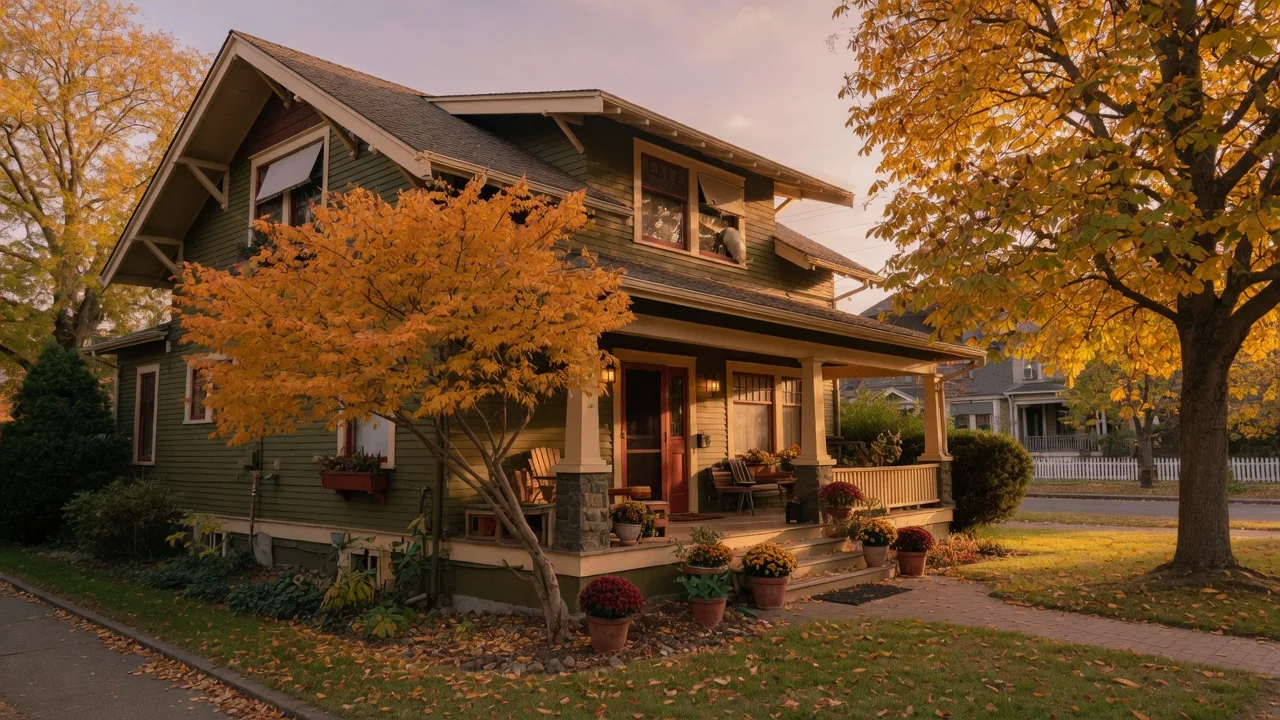
There's a difference between selling a house and selling your house. If you've lived in the same home for 30 years or more, you know this. Every room holds a memory. The garden you planted when the kids were small, the kitchen where thousands of meals were made, the hallway where their heights were pencilled in year after year.
Deciding to sell a long-time family home is one of the most significant housing transitions a person can make. It's not just a real estate transaction — it's the closing of a major chapter. And while the emotions are real and valid, the practical side matters too. This guide walks through what's unique about selling a home you've lived in for decades, and how to navigate the process with confidence in Greater Victoria.
Why long-time homeowners face a different challenge
Selling a home after decades of ownership is fundamentally different from a typical sale. Here's why:
- Deferred maintenance adds up. Roofs, windows, heating systems, plumbing, electrical — homes that haven't been systematically updated over 30 years often need significant work before they appeal to today's buyers.
- Tastes and standards change. A kitchen that was cutting-edge in 1995 may feel dated in 2026. Buyers compare your home to newer listings and expect move-in-ready conditions.
- Accumulation is natural — and overwhelming. Thirty years of living fills every closet, drawer, attic, and garage. The decluttering process is often the biggest time investment.
- Emotional attachment clouds judgment. It's hard to see your home objectively when you've raised a family in it. The features you love may not be what buyers are looking for.
- Equity expectations may not match reality. Homeowners who haven't followed the market closely sometimes overestimate or underestimate what their home is worth today.
The deferred maintenance reality check
One of the first things to address is the physical condition of your home. After 30+ years, even well-maintained homes will have components approaching or past their expected lifespan. Here's what to look at:
Major systems
- Roof: Asphalt shingle roofs typically last 20–25 years. If yours hasn't been replaced, a buyer's inspector will flag it — and it will affect your sale price.
- Hot water tank: Lifespan is 10–15 years. A new tank is a relatively inexpensive upgrade that removes buyer concern.
- Heating system: Furnaces last 15–20 years. An older system may need replacement or, at minimum, a service record to show it's been maintained.
- Electrical panel: If your home still has a Federal Pioneer or Zinsco panel, many insurers won't cover the property. Upgrading to a modern panel is often necessary for sale.
- Plumbing: Original polybutylene or galvanized pipes are red flags. Even copper lines may need inspection after 30 years.
Cosmetic updates that matter most
You don't need to renovate the entire house, but a few strategic updates can make a significant difference in buyer perception and sale price:
- Paint: Fresh, neutral paint is the single highest-ROI update for a tired home. It signals that the property has been cared for.
- Kitchen and bathroom hardware: New cabinet handles, faucets, and light fixtures are inexpensive and immediately modernize a room.
- Lighting: Replace outdated fixtures with clean, modern options. Good lighting changes how a home feels.
- Flooring: If your carpet is 25 years old or your vinyl is peeling, replacing it before listing is almost always worthwhile.
Pricing: the most important decision you'll make
After decades in the same home, it's natural to have strong feelings about what it's "worth." You may remember what you paid, what a neighbour sold for five years ago, or what a Zillow-style estimate says. But pricing a long-owned home requires a clear-eyed analysis of what today's buyers will pay in today's market.
In Greater Victoria, where the market varies significantly between neighbourhoods and housing types, an accurate pricing strategy considers:
- Recent comparable sales in your specific neighbourhood (not just your city)
- The condition and updates of your home relative to competition
- Current buyer demand for your home type in your price range
- Seasonal market patterns — spring and early summer typically see the strongest activity
- The cost of any work a buyer would need to do, which they will factor into their offer
Overpricing is the most common and most costly mistake long-time homeowners make. A home that sits on the market for months signals problems and ultimately sells for less than it would have if priced correctly from the start. An experienced local REALTOR® can provide the data and perspective needed to price with confidence.
The decluttering challenge: sorting through decades
If you've been in the same home for 30+ years, the sheer volume of belongings can feel paralyzing. Every drawer has history. The basement holds items from every stage of life. This is normal — and it's where many long-time homeowners get stuck.
The key is to create a system and work in manageable stages:
- Start with a clear goal. You're preparing the home for sale. That means depersonalizing and depopulating — making it easier for buyers to imagine themselves in the space.
- Work room by room, not all at once. Set a realistic timeline. If you have three months before listing, dedicate one room per week.
- Enlist help. A trusted friend, family member, or professional organizer can provide the objectivity and momentum you need.
- Donate, sell, and discard with purpose. Victoria has excellent resources — Value Village, Habitat for Humanity ReStore, and local estate sale companies can help you find new homes for your things.
- Take photos of sentimental items. You don't have to throw away the memory — just the object. A photo album or digital collection preserves what matters.
- Don't forget the garage and basement. Buyers will open every door and look in every corner. A clean, organized space signals a well-maintained home.
The emotional reality: letting go of a chapter
Selling the home where you raised your children, celebrated holidays, and built a life is not just a financial decision. It's an emotional one. You may feel grief, nostalgia, anxiety, relief, or all of these at once — and that's completely normal.
Some practical ways to honour the process:
- Have a farewell gathering. Invite family and friends to share memories in the home one last time.
- Create a memory book or digital album with photos of the home through the years.
- Give meaningful items to family members who want them. This can feel much better than donating or discarding.
- Remember that selling isn't erasing the memories — it's protecting them. The memories go with you; the house is just the container.
Working with a REALTOR® who understands the emotional dimension of this transition makes a real difference. The right professional won't rush you or treat this like just another transaction.
Victoria neighbourhood trends: what buyers are looking for
Greater Victoria's market is dynamic, and buyer preferences shift over time. In 2026, some of the strongest demand is in neighbourhoods with:
- Walkability: Proximity to shops, restaurants, transit, and healthcare is increasingly important — especially for downsizers and retirees.
- Single-level living: Bungalows and ranchers command a premium as the population ages. If your home is a single-storey, that's a significant selling point.
- Updated mechanicals: Buyers in the current market are sensitive to the cost of future repairs. A home with a new roof, updated electrical, and modern heating will stand out.
- Outdoor space: Even modest gardens and patios are valued — particularly in Oak Bay, Saanich, and the quieter neighbourhoods of Victoria proper.
An experienced local agent can position your home to match what today's buyers in your area are actively seeking.
The timeline: how long should you expect?
For a well-prepared home priced correctly in a desirable Greater Victoria neighbourhood, the typical timeline from first conversation to closing looks like this:
- Assessment and planning (1–2 weeks): Meet with a REALTOR®, get a market evaluation, and decide on any pre-listing work.
- Preparation (4–8 weeks): Declutter, make repairs, stage, and photograph the property. This is the most variable phase — it depends entirely on the scope of work.
- Listing and marketing (1–4 weeks): Active time on market depends on pricing, condition, and market conditions. Well-priced homes in desirable areas often sell within the first two weeks.
- Conditional period (1–2 weeks): Buyers typically have subjects (inspection, financing) for 7–14 days.
- Closing (typically 1–2 months after subject removal): Final paperwork, title transfer, and moving day.
From start to finish, expect 3–5 months. Starting early — even if you're not ready to sell immediately — gives you the time to do things right and avoid the pressure of a rushed sale.
Frequently asked questions
Should I renovate before selling my long-time family home?
In most cases, a full renovation isn't necessary — but targeted updates can pay off. Focus on the items that address buyer concerns: mechanical systems (roof, electrical, plumbing), cosmetic refreshes (paint, flooring, lighting), and curb appeal. The goal isn't to make the home look brand new; it's to remove red flags and show that the home has been maintained.
How do I handle a basement full of 30 years of belongings?
Start early. A professional organizer or estate sale company can help sort and manage the volume. Many items can be donated, sold, or given to family. If the volume is too large to handle before listing, consider selling the home with a clause allowing a reasonable period for cleanout after closing. Your REALTOR® can help structure this.
Do I need to stage my home if I'm still living in it?
Partial staging — even if you're still occupying the home — is highly recommended. This typically means decluttering, depersonalizing (removing family photos and collections), deep cleaning, and arranging furniture to show the space at its best. Professional staging consultation is available throughout Greater Victoria and is well worth the investment.
Will buyers care about updates from the 1990s?
It depends on the update and the buyer. Functional updates — like a quality roof, good windows, or a modern furnace — are always valued regardless of when they were done. Cosmetic updates from the '90s (tile, countertops, cabinetry) may feel dated to today's buyers. The key is to distinguish between what works and what looks tired. Work with your REALTOR® to identify which updates will actually impact your sale.
What if I'm not emotionally ready to sell?
That's completely valid. There's no deadline on this decision. Many homeowners start the conversation 6–12 months before they're actually ready to list. That time can be used to declutter gradually, explore options, and process the decision. A good REALTOR® will respect your timeline and help you prepare without pressure.
Ready to explore your options?
I've helped hundreds of long-time Victoria homeowners navigate the sale of their family homes. Whether you're ready to list or just starting to think about it, I'd be honoured to help.
Let's Talk