Should You Keep Your Recreational Property When Downsizing? A Guide for Greater Victoria Cabin and Cottage Owners

Andrew Holenchuk
Victoria Property Group · eXp Realty
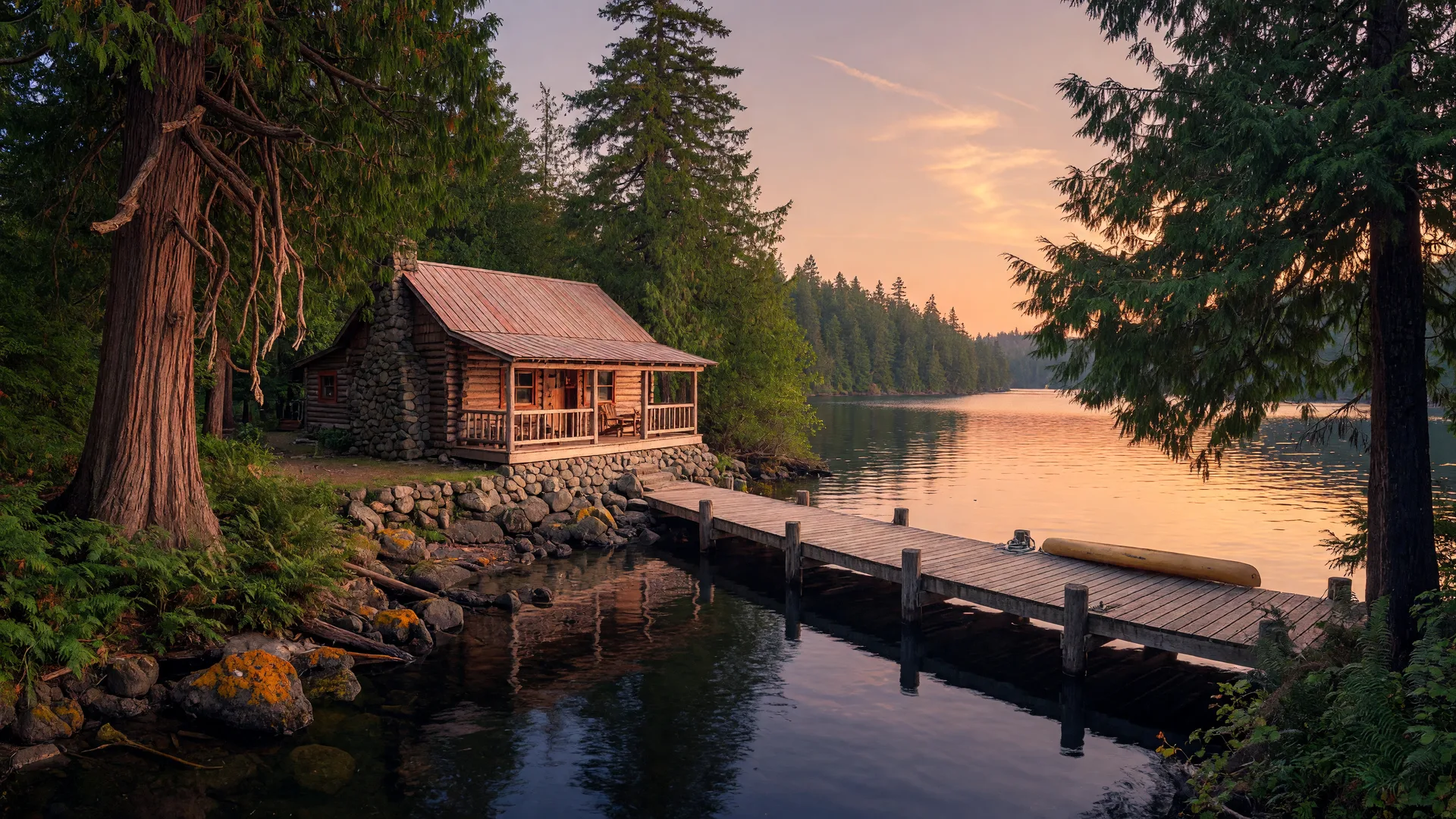
For many homeowners in Greater Victoria, the decision to downsize their primary residence comes with a second, equally important question: what about the cabin, the cottage, or the recreational property? Whether it is a lakefront cottage on Shawnigan Lake, a Gulf Island getaway, a property in the Cowichan Valley, or a recreational acreage in the Malahat area, these properties hold a special place in family life.
The answer is not always straightforward. Recreational properties come with their own costs, maintenance demands, and emotional significance. Selling can free up significant capital. Keeping can preserve a lifestyle and family tradition. This article helps you weigh the factors that matter most and make a decision that aligns with your financial goals, your lifestyle priorities, and your family's future.
Why this question is especially relevant in Greater Victoria
Greater Victoria's location makes recreational property ownership particularly common. Within a 90-minute drive from downtown Victoria, you can reach Shawnigan Lake, Cowichan Bay, the Malahat region, Sooke, Port Renfrew, and the ferry terminals serving the Southern Gulf Islands and Salt Spring Island. Many Victoria-area homeowners own a second property that is close enough for weekend visits but far enough to feel like an escape.
As you plan for retirement or a housing transition, the question becomes: does keeping that property still make sense with a smaller primary residence, a fixed income, or changing physical abilities?
The true cost of keeping a recreational property
Before deciding, it helps to have a clear picture of what your recreational property actually costs each year. Many owners underestimate the total because expenses are spread across different categories and arrive at different times of the year.
Property taxes
Recreational properties in BC are often assessed at lower values than primary residences, but property taxes can still run $2,000 to $6,000 per year depending on location, waterfront status, and improvements. Some rural and island properties have additional taxes for fire protection, garbage collection, or road maintenance.
Insurance
Insuring a seasonal or recreational property in BC has become more expensive in recent years. Properties in wildfire-prone zones, on remote islands, or with limited road access may face higher premiums or limited coverage options. Expect $1,500 to $4,000 per year for adequate coverage.
Maintenance and repairs
Recreational properties often require more maintenance per square foot than primary homes. Exposure to coastal weather, seasonal freeze-thaw cycles, and periods of vacancy accelerate wear on roofs, decks, plumbing, and building envelopes. Rodent and pest control is a recurring concern for properties that sit empty for weeks at a time. Budget $3,000 to $8,000 annually for routine upkeep, and keep an emergency fund for the inevitable roof leak, water system failure, or septic issue.
Transportation and travel costs
Driving to Shawnigan Lake from Victoria costs roughly $40 to $60 in fuel per round trip. Add ferry fares if your property is on one of the Gulf Islands, and you are looking at $100 to $200 per visit. If you make 20 visits per year, that is $2,000 to $4,000 in transportation costs alone. For many downsizers, the drive itself becomes less appealing as they age.
Utilities and services
Even when you are not there, many costs continue. Hydro connection fees, water system maintenance, propane tank rental, and internet or phone services for a property that sits empty most of the year. Expect $1,000 to $3,000 annually in base costs just to keep the property ready.
The total picture: a sample annual budget
For a typical lakefront cottage on Shawnigan Lake or a recreational property on Salt Spring Island, a realistic annual cost estimate might look like this:
- Property taxes: $4,000
- Insurance: $2,500
- Maintenance and repairs (average): $5,000
- Utilities (hydro, water, propane): $2,000
- Transportation and ferry: $3,000
- Grounds and property upkeep: $2,000
- Estimated annual total: $18,500
Over ten years, that is $185,000 in carrying costs, not accounting for major repairs or inflation. This is money that could instead be invested, used for travel, or gifted to family.
The emotional and family considerations
Not everything fits on a spreadsheet. Recreational properties are where many Victoria families make their best memories. Summer barbecues on the deck, swimming off the dock, Christmas at the cabin, and weeks spent exploring the Gulf Islands or the Cowichan Valley with children and grandchildren.
When considering whether to sell, these questions can help separate sentiment from reality:
- How often did your family use the property in the last two years? Not how often you wish you used it, but actual visits.
- Are your children and grandchildren likely to continue using it as they build their own lives and careers?
- Can you still physically manage the property? Climbing stairs, cleaning gutters, hauling firewood, and maintaining rough driveways become harder with age.
- Would selling the property meaningfully improve your financial security or quality of life in your downsized home?
- Is there a way to keep the property in the family while reducing your personal responsibility for it?
Options for keeping the property while downsizing
If the thought of selling your recreational property feels premature, there are several alternatives worth exploring:
Transfer or co-own with adult children
Some families transition the recreational property to the next generation through a transfer or co-ownership arrangement. Your children take over the costs and maintenance, and you retain access and use rights. This keeps the property in the family while reducing your financial and physical burden. A real estate lawyer can help structure this in a way that works for everyone.
Generate rental income during the off-season
Recreational properties in desirable Greater Victoria-area locations can generate meaningful income through short-term rentals. If the zoning and strata rules permit it, renting the property for part of the year can offset carrying costs while preserving your personal use during prime months.
Sell and replace with a lower-cost alternative
Some downsizers sell their recreational property and use a portion of the proceeds to buy a smaller, lower-maintenance alternative. A condo in a recreational community, a smaller cabin on a managed lot, or a share in a recreational property arrangement can preserve the lifestyle at a fraction of the cost and responsibility.
Tax considerations for selling a recreational property
Unlike your principal residence, a recreational property in BC is generally subject to capital gains tax when sold. The gain is calculated as the difference between the sale price and the adjusted cost base (what you paid, plus eligible capital improvements). Only 50% of the capital gain is taxable; it is added to your income for the year of sale.
A few important points to discuss with your accountant or tax advisor:
- If the property has ever been used as a principal residence (even for one year), you may be eligible for a partial exemption
- Capital improvements (a new roof, a renovated kitchen, a new dock) can be added to your cost base, reducing the taxable gain
- If you have owned the property for many years, the gain may be substantial. Planning the timing of the sale around other income can help manage the tax impact
- If you transfer the property to a child, it is generally considered a deemed disposition at fair market value unless you qualify for a specific rollover provision
This is general information and not tax advice. Always consult a qualified tax professional for your specific situation.
Making the decision: a framework
If you are torn between keeping and selling, try working through these three steps:
- Calculate the true annual cost. Go beyond property taxes and insurance. Include maintenance, travel, utilities, and a reserve for major repairs. Put a real number on it.
- Evaluate your actual usage. Track how many days you spent at the property in the past year. Divide the annual cost by the number of days. Is that cost per day something you would willingly pay for a vacation rental? If not, that is worth thinking about.
- Consider a trial separation. If you are unsure, try a year of renting a comparable property for your usual vacation time instead of maintaining your own. Compare the cost, the convenience, and the experience. This can clarify whether you miss the property itself or just the idea of having a vacation spot.
Frequently asked questions
Will I pay capital gains tax if I sell my recreational property?
In most cases, yes. Unless the property has been your principal residence, the sale is subject to capital gains tax on the increase in value since purchase. The Principal Residence Exemption applies only to properties you have designated as your primary home. A tax professional can help you understand the specific amount based on your situation.
Can I transfer my recreational property to my children without paying tax?
A transfer to a child is generally treated as a deemed disposition at fair market value, which means you may still owe capital gains tax on the appreciation. There are specific rollover provisions in certain circumstances, but they require careful planning. Consult a real estate lawyer and tax professional before proceeding.
Should I sell my recreational property before or after my primary home?
The order depends on your financial situation and tax plan. Selling both in the same tax year could push you into a higher tax bracket, especially if the recreational property generates a large capital gain. Spreading the sales across two tax years may reduce the overall tax impact. A tax advisor can help you model the best timing.
What if my recreational property is rented out part of the year?
If you generate rental income from the property, there are specific tax rules around expense allocation, GST, and the potential loss of the principal residence exemption if the property was ever designated as your primary home. You should work with an accountant familiar with recreational property taxation in BC.
How do I know if the property is a financial drain or a worthwhile investment?
The honest answer: most recreational properties in BC do not appreciate as quickly as primary residences in Greater Victoria, and the carrying costs are significant. If the property has strong emotional or family value, that may outweigh the financial picture. The goal is to make the decision with your eyes open to both the numbers and the intangibles.
Unsure about your recreational property?
I help Greater Victoria homeowners work through these decisions with a clear understanding of their options. Whether you are selling a primary home, a recreational property, or both, I can help you navigate the process with confidence.
Let's TalkWritten by Andrew Holenchuk, Team Leader of Victoria Property Group at eXp Realty. Andrew has been helping people in Greater Victoria confidently navigate one of life's biggest housing transitions since 2006. Licensed REALTOR in British Columbia #162994.