
Asbestos, Lead, and Older Materials in Victoria Homes: What to Know

Andrew Holenchuk
Victoria Property Group · eXp Realty
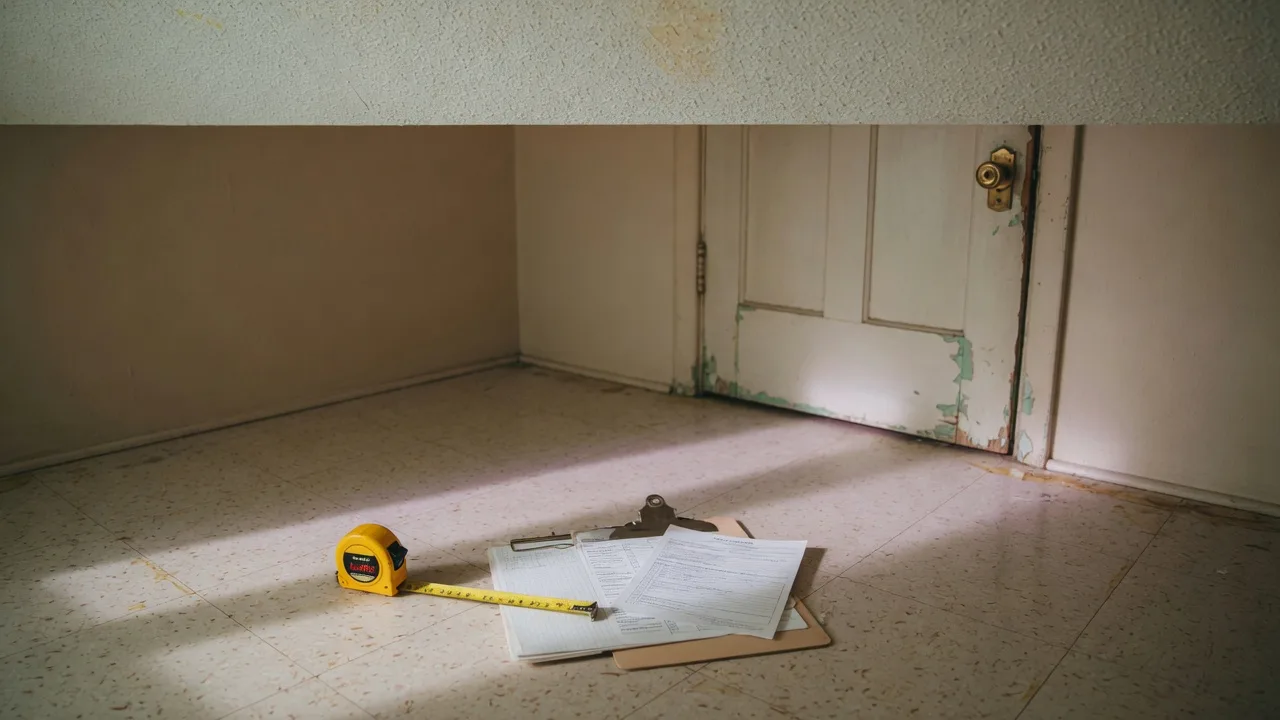
If your family home was built in the 1950s, 60s, 70s, or 80s, it was likely constructed with materials we treat very differently today. Asbestos was used in Canadian building products for decades and only fully prohibited in 2018, lead paint was common into the 1970s, and urea formaldehyde foam insulation was installed in Canadian homes until it was banned in 1980. For downsizers preparing a home for sale or renovating before listing, these materials raise practical questions: do you need to test, how risky are they, and what must you disclose to a buyer? This guide answers those questions in plain language so your renovation or sale can proceed safely, honestly, and without surprise.
Why this matters to homeowners who are selling or renovating
Greater Victoria's housing stock is full of well-loved homes from the post-war decades, and most of them are in perfectly good shape. The issue is not the age of the house, it is what happens when certain older materials are disturbed. Sanding, sawing, scraping, or demolition can release asbestos fibres or lead dust that would otherwise cause no trouble at all.
For the downsizer, the two moments this matters most are the renovation and the sale. If you plan repairs before listing, you need to know what is behind the walls before you cut into them. If you sell without renovating, you need to answer disclosure questions honestly and be ready for a buyer's inspection to raise the topic. Either way, knowledge turns an anxious unknown into a manageable checklist.
Asbestos: what it is and where it hides
Asbestos is a naturally occurring mineral fibre that was prized for its strength and heat resistance. It appears in Canadian building materials from roughly the 1920s through the late 1980s, and while Canada brought in a comprehensive ban on the import, manufacture, sale, and use of asbestos and asbestos-containing products on December 30, 2018, the substance is still present in millions of older homes. In a typical Victoria home of that era, suspect materials can include:
- Vermiculite attic insulation, especially the pebbled loose-fill kind, which can contain asbestos.
- Pipe and duct wrapping, including the fluffy white or grey wrap around old furnace ducts and boiler pipes.
- Vinyl floor tiles and sheet flooring, including the familiar 9 by 9 inch and 12 by 12 inch tiles, plus their backing and glue.
- Textured "popcorn" ceilings popular in the 1960s and 1970s.
- Ceiling tiles and drywall joint compound, along with the tape used at seams.
- Exterior cement siding, sometimes called transite, and old roofing shingles and felt.
- Caulking, sealants, and gaskets around old windows, furnaces, and wood stoves.
This list is not meant to alarm you. Not every one of these materials in every home contains asbestos, and many were used in non-asbestos forms. It is meant to tell you where to look, and to explain why renovation contractors often test before they touch older materials.
The key rule: undisturbed asbestos is low risk
The most reassuring fact about asbestos in a home is also the most important one to understand: intact, undisturbed asbestos-containing material presents low risk. The danger comes from disturbance, when fibres become airborne and can be inhaled. A popcorn ceiling no one touches, floor tiles in good condition under a rug, or intact pipe wrap in a basement that is never worked on, these are situations where the safest course is often simply to leave the material alone.
The risk climbs when you start renovating: scraping ceiling texture, sanding joint compound, ripping up old flooring, or cutting through siding. Before any of that work begins, have suspect materials tested by a certified lab. A few hundred dollars in testing can prevent a much larger problem later.
Lead paint: the other renovation concern
Lead was added to paint for durability and colour, and it was used widely in Canadian homes until restrictions arrived. Interior paints accessible to children were limited in lead content starting in 1976, but exterior paints could still contain significant lead in later years, and tougher limits on all consumer paints came in the 2000s. The practical takeaway: any home painted before the late 1970s or 1980s may have lead-based paint somewhere, and the risk is not the paint on the wall, it is the dust created when old paint is scraped, sanded, or demolished.
Lead dust is of greatest concern for young children and pregnant women, which makes this topic relevant for families with grandchildren visiting. If you are renovating an older home and will be creating dust, test painted surfaces for lead first, use wet methods that suppress dust, keep renovation zones sealed off, and clean thoroughly at the end of every work day. Professional renovators in BC follow these habits as standard practice.
UFFI: the foamed-in insulation of the late 1970s
Urea formaldehyde foam insulation, or UFFI, was installed in more than 80,000 Canadian homes between about 1977 and 1980 before it was banned in December 1980 over indoor air quality concerns. It is typically found behind wall cavities of homes built or insulated in those years, usually visible through small injection holes in interior or exterior walls.
Decades later, the practical situation is more nuanced than the alarm of the era. Many UFFI homes have been fine, insulation in good condition generally poses little ongoing risk, and current guidance suggests the material is less of a concern than it once was. Still, some buyers and lenders ask about it, and the BC property disclosure process gives you the chance to answer honestly. If your home was built between the mid-1970s and 1980, it is worth knowing whether UFFI was used and being ready to say so plainly.
Testing and removal in Greater Victoria
Testing is straightforward. A qualified professional or a knowledgeable contractor can take small samples of suspect materials and send them to an accredited laboratory for analysis. For a major renovation, many owners choose a full asbestos survey first, which maps the suspect materials throughout the house and tells you exactly what can be safely removed and what should be left alone.
If removal is needed, hire a licensed asbestos abatement contractor rather than doing it yourself. Popcorn ceiling scraping, floor tile removal, and pipe wrap stripping are jobs that look simple and are anything but, and the dust containment, protective gear, and disposal requirements are not something a homeowner should improvise. WorkSafeBC sets the rules for asbestos work in the province, and a reputable abatement company will follow them, provide written documentation of the work, and arrange proper disposal. As with any trade, get written quotes from two or three firms and verify their licensing and insurance. Our guide to choosing professionals for your downsizing move includes questions that apply equally to renovators, inspectors, and abatement contractors.
One related note: as you clear an older home of its contents, remember that household chemicals, old paint cans, and medications are handled separately from building materials. Our guide to clearing a family home safely explains where those go in the Capital Regional District.
What sellers need to disclose
When you sell a home in BC, the property disclosure statement asks you to tell the buyer about known defects and material facts, and honesty is both a legal and practical choice. If you know your attic has vermiculite insulation, or you know a ceiling was tested and confirmed to contain asbestos, that knowledge belongs on the disclosure, and failing to share it can create liability after the sale. If you genuinely do not know what is in the walls, saying so is also legitimate, and buyers who are concerned will usually order their own inspection or testing.
In practice, most home inspections now flag suspect materials for testing rather than passing judgment, and buyers of older homes frequently include hazardous materials clauses in their offers. Our guide to the BC property disclosure statement explains how the form works and what counts as a material fact, and our article on pre-listing home inspections shows why knowing your own house first is the strongest position for a sale. If your home has an oil tank or aging mechanical systems, that sits in the same disclosure territory, and our guide to oil tanks and aging systems is worth reading alongside this one.
A practical checklist for the older home
- Start with a test done properly: before any renovation that creates dust, have suspect materials sampled by a certified lab.
- If the home is 1975 to 1980 vintage, find out whether UFFI insulation is in the walls and be ready to answer questions about it.
- Leave suspected asbestos alone until you know. Do not scrape popcorn ceilings, sand old joint compound, or pull up suspect floor tiles as a weekend project.
- Hire professionals for removal: licensed, insured, documented, with proper disposal.
- Disclose what you know on the property disclosure statement, and let your realtor help you phrase it accurately without overstatement.
- Keep records: lab reports, abatement certificates, and renovation invoices become valuable documents for the sale, and buyers' lawyers and inspectors love a well-documented house.
Frequently asked questions
Is asbestos banned in Canada?
Yes. As of December 30, 2018, a comprehensive federal prohibition bans the import, manufacture, sale, and use of asbestos and most asbestos-containing products in Canada, with limited exemptions. That ban protects new products going forward, but it does not remove asbestos already present in homes built before the ban, and older buildings can still contain significant amounts.
How do I know if my Victoria home has asbestos?
You cannot reliably tell by looking. The only certain way is laboratory testing of samples taken from suspect materials. Homes built before the late 1980s, and particularly between the 1950s and 1980s, are more likely to contain some asbestos-containing materials, especially in attic insulation, pipe wrap, textured ceilings, and old floor tiles. If you are planning a renovation, test first; if you are selling, a pre-listing inspection often catches the questions buyers will ask.
Is it safe to live in a home with asbestos or lead paint?
In most cases, yes, provided the materials are in good condition and undisturbed. Intact asbestos-containing materials pose low risk, and lead paint only becomes a hazard when it is sanded, scraped, or deteriorated into dust. The practical rules are simple: leave intact materials alone, manage any deteriorating paint promptly, and test before you renovate. If you are unsure whether a material is deteriorating or being disturbed, a professional assessment gives you certainty.
Do I have to disclose asbestos to a buyer?
The property disclosure statement requires you to answer questions honestly about known defects and material facts, and known asbestos is the kind of information buyers expect to receive. If you have testing or abatement records, share them; documentation reassures buyers and strengthens your sale. If you have never tested and do not know, that is also a legitimate answer, and a buyer who cares will arrange their own test. Your realtor can guide you on how to word this precisely.
Can I remove popcorn ceilings myself?
Strongly discouraged. Popcorn ceiling texture from the 1960s and 1970s is one of the most common asbestos-containing materials in older homes, and scraping it creates exactly the kind of dust you want to avoid breathing. If the ceiling has been tested and confirmed free of asbestos, removal is safer, but it is still a messy job best left to professionals. If it has not been tested, test it before touching it.
How much does asbestos testing or removal cost?
Every project is different, and honest quotes require a site visit. Testing a single material is usually a modest expense, in the range of what a homeowner might spend on a plumbing call-out, while whole-house surveys and full abatement projects are quoted by contractors based on the scope. Get written quotes from two or three licensed firms and compare what is included: sampling, lab work, containment, removal, disposal, and documentation. Spending on proper abatement protects your health, your family, and your sale.
Should I worry if my home has older floor tiles?
Old vinyl floor tiles, especially the 9 by 9 inch and 12 by 12 inch varieties, are a known suspect for asbestos, but intact tiles that are not being disturbed are generally not an urgent concern. The issue arises when you rip them up, sand the adhesive, or break them. If the tiles are in good shape, you can leave them in place, cover them with new flooring, or have them tested before removal. If they are cracked or crumbling, they are better managed sooner than later, and a professional can advise on the safest course.
Preparing an older family home for sale?
Every older home has a story, and most of them sell beautifully with the right preparation and the right answers ready. I have guided many families through selling well-loved Victoria homes built in the 1950s through the 1980s, and I can help you map out what to test, what to fix, and what simply to disclose. It costs nothing to talk it through.
Let's TalkWritten by Andrew Holenchuk, Team Leader of Victoria Property Group at eXp Realty. Since 2006, Andrew has been helping people in Greater Victoria confidently navigate one of life's biggest housing transitions. This article is general information only and is not legal, health, or environmental advice; regulations and products change, so verify current requirements with qualified professionals before you renovate or list.