
Moving to Greater Victoria to Be Closer to Family: A Guide for Retirees

Andrew Holenchuk
Victoria Property Group · eXp Realty
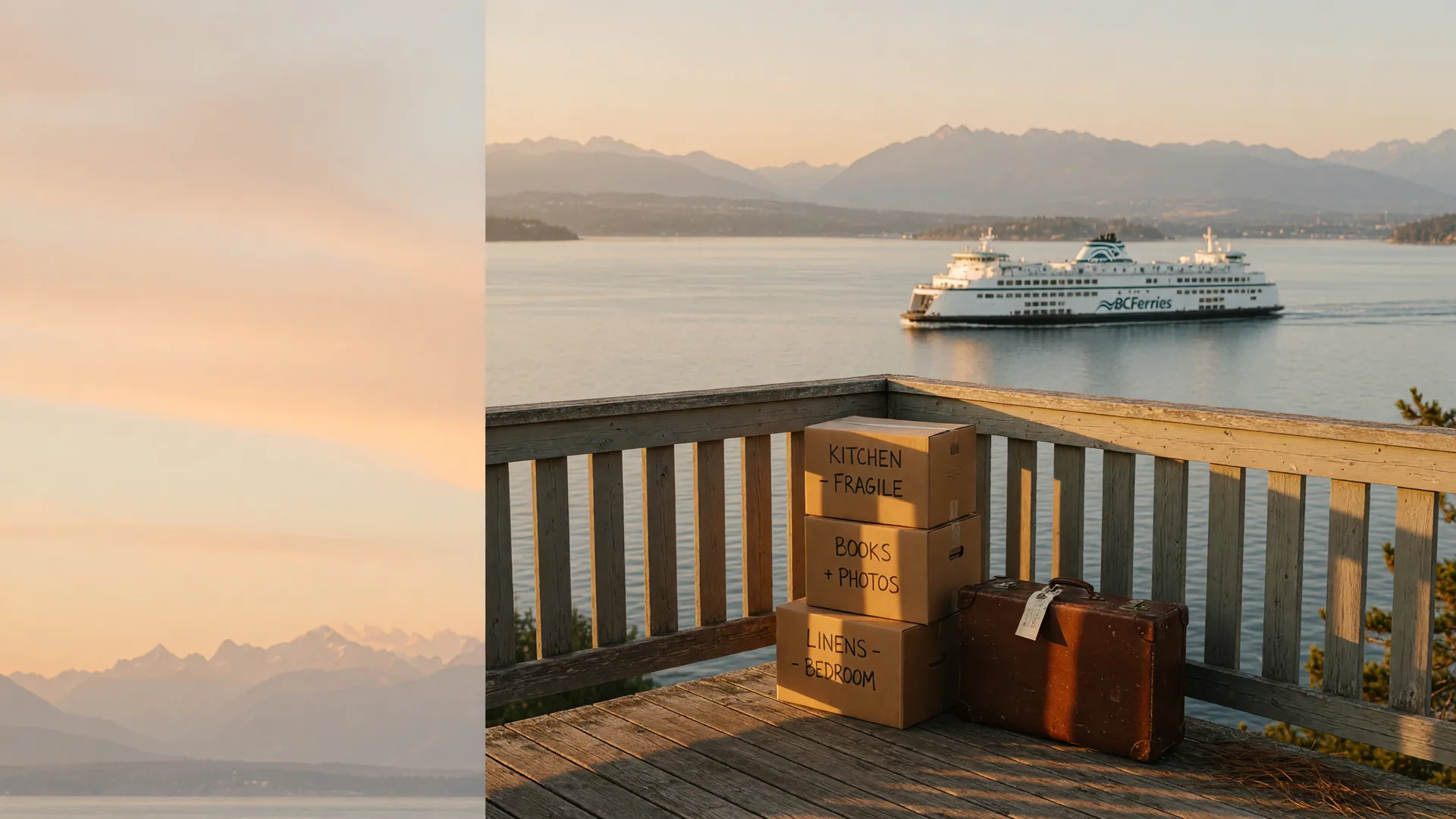
The decision to move across the province or across the country so you can be closer to your adult children and grandchildren is one of the most meaningful housing transitions a family makes. This guide walks through what it takes to relocate to Greater Victoria later in life: how to choose the right community, how to sell your current home from a distance, what to plan for financially, and how to time the move so it feels calm rather than rushed. If you are reading this, you are likely already imagining weekend visits, school plays, and quiet dinners near the people you love. That picture is achievable, and it starts with a plan.
Why Greater Victoria draws families back together
Greater Victoria has long been a magnet for retirees, and one of the most common reasons is family. Adult children who moved away for work often end up in Victoria, Saanich, Oak Bay, or the Peninsula, and parents follow when the pull of grandchildren, shared holidays, and care support becomes stronger than the ties to a distant hometown.
The region supports this kind of move well. Victoria International Airport connects the city to most of Canada with direct flights, BC Ferries links Swartz Bay to Tsawwassen in about an hour and a half, and the Capital Regional District's 13 municipalities offer a range of lifestyles, from walkable urban neighbourhoods to quiet coastal villages. Mild winters relative to most of Canada, strong health services, and a community culture that welcomes newcomers all make the transition easier than you might expect.
Start with the family conversation
Before you look at a single listing, talk honestly with your adult children about what "closer" really means. How close is close? A ten-minute drive, a bus ride, or a full day's visit away? How often do you realistically want to see each other, and what kind of support are you hoping for, and what are they able to offer? Grandparenting expectations differ between families, and assuming yours is a recipe for hurt feelings later.
These conversations can feel awkward, especially when one generation fears becoming a burden and the other fears being asked to carry too much. That is normal. Gentle, specific questions help far more than sweeping statements: "We would love to come for school pickups once a week, would that work?" lands better than "We want to move to be closer to you." If you are not sure how to begin, our guide to starting the downsizing conversation with your family is a good place to start, along with the emotional side of leaving a long-time home.
Choose a community that fits your grandparent life
One of the great advantages of this move is that Greater Victoria offers a genuine choice of lifestyles, and the right pick depends on how you and your family actually live.
- Victoria proper: the city core, James Bay, and Fairfield offer the most walkable, urban lifestyle, close to the Inner Harbour, shops, and medical services.
- Oak Bay: a village atmosphere with a strong sense of tradition, safe streets, and a popular walkable shopping strip on Oak Bay Avenue.
- Saanich: a practical middle ground with good value, parks, and convenient access to both Victoria and the Peninsula.
- Sidney and North Saanich: small-town charm by the ocean, close to the airport and the ferry, with a strong retirement community.
- Langford, Colwood, and the Westshore: newer construction, more space per dollar, and growing amenities, popular with families, which may mean more grandkids nearby.
- Central Saanich, Sooke, Metchosin, and the Highlands: quieter, greener, and more rural lifestyles for those who want space over sidewalks.
A good starting point is our guide to the best neighbourhoods for downsizers, which compares each community on walkability, transit, and lifestyle. You can also compare communities side by side in our community choice guide and browse each municipality's page in our locations section.
Selling your current home from a distance
Most out-of-town downsizers have a home to sell where they currently live, and doing that well from a distance is easier today than it has ever been. Start by interviewing realtors in your current city, preferably one with experience marketing homes to a remote seller. Ask how they communicate, whether they handle showings, inspections, and paperwork on your behalf, and how they keep you informed at every step. You should feel confident that your sale is in good hands long before you board the ferry or the plane.
A few practical notes from clients who have done this well: prepare the home before you leave rather than trying to manage renovations from afar, make sure your utilities and property taxes are on autopay, and leave clear instructions for the realtor about pet routines, security, and showings. If the home is already tired or unfurnished, consider whether selling it vacant with a modest price adjustment makes more sense than coordinating staging from another province. Our guide to selling a vacant home and our moving timeline for downsizers both apply to long-distance moves almost word for word.
Getting here: airport, ferry, and the move itself
The logistics of moving your household to Vancouver Island are straightforward once you understand the options. If you are coming from the Lower Mainland, the ferry from Tsawwassen to Swartz Bay is the direct route, and there are also sailings between Tsawwassen and Duke Point near Nanaimo for the mid-island corridor. From most other provinces, flying into Victoria International Airport is the fastest path, and moving companies experienced with island moves will handle the truck and ferry crossing for you.
Two administrative items are worth planning early. New residents of BC generally have about 90 days to exchange their driver's licence and register their vehicles with ICBC, so budget time for that after you arrive. And you will need to enrol with the BC Medical Services Plan not long after moving; for residents coming from another province there can be a short transition before full BC coverage begins and your previous province's health card usually covers the gap. Rules change, so confirm current details with ICBC and the Medical Services Plan around your move date.
Buying from far away: how to make it work
Buying a home in another province sight unseen sounds risky, and it is, unless you structure the process properly. The approach that works best for out-of-town downsizers usually includes a visit or two, live video walkthroughs of shortlisted homes, and a realtor who you have met and who knows exactly what you are looking for. Your realtor can act on your written authorization, and in some cases a power of attorney allows a trusted family member here to sign documents for you, so the purchase does not have to wait for your next visit.
If you are selling your current home and buying in Victoria at the same time, the timing gap is the main planning challenge. Many out-of-town movers rent a furnished or unfurnished unit in Victoria for a few months while they look, which takes the pressure off the purchase and lets you feel a neighbourhood before committing to it. Others use a subject-to-sale condition on their Victoria offer, so the purchase closes only once their current home sells. Both strategies have tradeoffs, and our articles on the timing gap between homes and on renting before buying walk through the options in detail. When you are ready to look, our guide to choosing your next home covers what matters most in the buying decision itself, and our strata guide explains the rules that govern most condos and townhomes here.
The BC costs to plan for
Canadian residents moving between provinces are not treated as foreign buyers, so you will not face the federal foreign homebuyer restrictions or extra foreign-buyer taxes. That said, every purchase in BC pays property transfer tax, which is based on the purchase price, and your realtor and notary or lawyer will confirm the exact amount before you sign. First-time buyers get an exemption, but most downsizers do not qualify, so budget for the tax as part of your purchase costs.
Once you own, most owner-occupied homes qualify for the BC home owner grant, which reduces annual property taxes for primary residences, and the rules change depending on where in the region you buy. If you buy a strata property, monthly strata fees cover building insurance, maintenance, and reserves, and they vary widely between buildings, so review the strata documents carefully before you commit. Our guides to property transfer tax, the home owner grant, and what it really costs to keep a BC home explain all of this in plain language.
A realistic timeline for out-of-town downsizers
A comfortable timeline for this kind of move is twelve to eighteen months, and spreading the work out is what keeps it calm:
- 12 to 18 months out: have the family conversations, decide on a budget, and start decluttering room by room.
- 9 to 12 months out: visit Victoria, tour the communities that interest you, and interview realtors on the island and where you currently live.
- 6 to 9 months out: list and sell your current home, and begin your Victoria home search in earnest.
- 3 to 6 months out: choose your next home, arrange movers, and deal with ICBC, the Medical Services Plan, and mail forwarding.
- Move month: move, settle in, and give yourself a full season before judging how the new life fits.
The emotional side of leaving one home for another
However good the reasons, moving away from a town you have known for decades is a genuine loss, and it deserves to be honoured rather than rushed past. The community you are leaving, the neighbours, the routines, the local coffee shop that knows your order, all of it counts. Most families find that the first year includes moments of homesickness, and that is completely normal.
What helps most is giving yourself a handover ritual: host a farewell gathering, photograph the old house inside and out, and set aside a clear plan for how often you will visit. Many out-of-town downsizers also discover that the ferry and airport make return visits easier than they expected, so the old community is rarely lost, it simply becomes a place you visit. Our guide to the emotional side of downsizing has more on making peace with the change, and it applies just as much to a move across provinces as to a move across town.
Frequently asked questions
Can I buy a home in Greater Victoria while I still live in another province?
Yes. Canadian citizens and permanent residents from other provinces can buy property in BC like any resident, and there is no waiting period or special approval required. What matters is structuring the process properly: a realtor you trust, live video walkthroughs, and clear written authorization for documents. If you plan to close before you arrive, a family member with a power of attorney can sign for you, or you can arrange to sign remotely with your notary or lawyer.
Is there an extra tax for out-of-province buyers in BC?
No extra tax applies to Canadian residents moving between provinces. The federal restrictions on foreign buyers, and BC's additional property taxes for foreign owners, target people who are not Canadian citizens or permanent residents. As an interprovincial mover you will still pay BC property transfer tax on your purchase like any buyer, and you may qualify for the home owner grant once the property is your primary residence.
How far in advance should I start planning a move to Victoria?
Twelve to eighteen months is the sweet spot for most families. That timeframe allows you to declutter at a humane pace, test the market where you currently live, visit Victoria at least once or twice, and manage the timing gap between selling and buying without pressure. Shorter timelines are possible, but they tend to mean more decisions made under deadline from a distance.
Should I rent in Victoria before I buy?
For out-of-town movers, renting first is one of the most reliable ways to avoid buyer's remorse. It lets you test a neighbourhood, understand commute times to your children's homes, and see what a Victoria winter actually feels like before you commit capital. The tradeoff is an extra move and a period of paying rent while your sale proceeds sit in the bank. Many families judge that tradeoff well worth it.
What is the best way to sell a home from far away?
Hire a realtor in your current city who has sold homes for remote sellers, prepare the property before you leave, and agree on a clear communication rhythm up front. Leave utilities and taxes on autopay, keep a trusted neighbour or family member as a contact for the property, and resist the urge to micromanage across time zones. A well-prepared home with a realistic price sells whether you are in the room or not.
Which Greater Victoria communities are best for grandparents near grandkids?
The honest answer is the community closest to where your adult children live, because visits happen when they are easy. After that, think about walkability, transit, and how you will get around when your son or daughter drives. Langford and the Westshore attract families with young children thanks to newer housing and amenities, while Sidney and Oak Bay draw grandparents who value quiet, walkable neighbourhoods. Comparing your family's daily routes against our neighbourhood guide will point you in the right direction.
Planning a move to be closer to family?
Helping out-of-town families relocate to Greater Victoria is one of the most rewarding parts of my work. Whether you are just starting the conversation or already shortlisting homes, I would welcome the chance to walk through your timeline and answer your questions about communities, costs, and the buying process here.
Let's TalkWritten by Andrew Holenchuk, Team Leader of Victoria Property Group at eXp Realty. Since 2006, Andrew has been helping homeowners in Greater Victoria navigate one of life's biggest housing transitions with confidence, including many out-of-town families relocating to be near their adult children. With more than $1 billion in facilitated sales, he brings deep local expertise and genuine care to every client relationship.