
Making a Smaller Space Work: Storage and Organization Ideas After Downsizing

Andrew Holenchuk
Victoria Property Group · eXp Realty
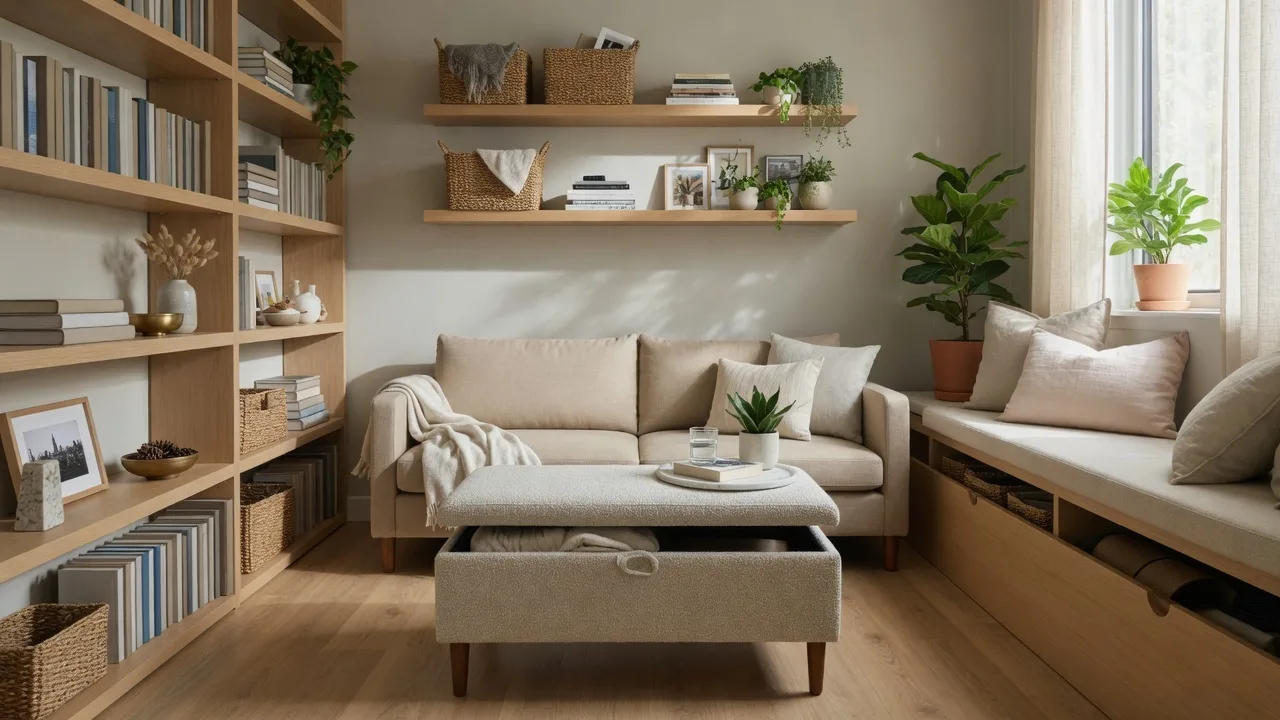
You have sold the family home. You have sorted through decades of belongings. You have moved into your new condo, townhome, or 55+ community in Greater Victoria. And now you are standing in a living room that is half the size of your old one, looking at boxes you are not sure where to put.
This is a completely normal moment in the downsizing journey. Moving from a larger home to a smaller one is not just about getting rid of things. It is also about learning to use your new space differently. With some thoughtful planning and the right storage strategies, a smaller home can feel every bit as comfortable and welcoming as the one you left.
This guide covers practical ways to organize and maximize your new space, from clever storage solutions to habits that keep a smaller home feeling open and calm.
Start with a blank canvas
Before you begin organizing your new home, spend a day or two living in it with only the essentials unpacked. This may feel uncomfortable, but it is the best way to understand how you actually use the space.
Notice where the morning light falls. Observe how you move through the kitchen. Pay attention to where you naturally want to sit, read, or set down your coffee. The way you use your home may be different from how you used your old one, and the layout should support those habits, not fight them.
Once you understand your natural patterns, you can decide where furniture and storage should go. This simple step prevents the common mistake of recreating your old home's layout in a space that demands something different.
Embrace vertical storage
In a smaller home, the walls are your most valuable storage asset. Floor space is limited, but wall space is often underused.
- Floor-to-ceiling shelving. Built-in or modular shelving that runs from floor to ceiling makes a room feel taller and provides far more storage than a short bookcase. Use lower shelves for everyday items and upper shelves for things you access less often.
- Floating shelves. A few well-placed floating shelves in the kitchen, bathroom, or living room create storage without taking up floor space. Use them for items that are both functional and decorative.
- Wall-mounted cabinets. In the kitchen, consider removing upper cabinets from one section and replacing them with open shelving (the room will feel larger), or add an extra row of cabinets if ceiling height allows.
- Over-door organizers. The back of every door is a storage opportunity. Over-door racks work in closets, bathroom doors, and pantry doors for shoes, cleaning supplies, spices, or toiletries.
Choose furniture that does double duty
In a smaller home, every piece of furniture should earn its square footage. Multi-purpose furniture helps you maximize function without filling the space with more pieces than it can comfortably hold.
- Storage ottomans and benches. A padded ottoman in the living room can serve as a footrest, extra seating, and a storage container for blankets, books, or board games. A bench at the entryway can hold shoes and provide a place to sit while putting them on.
- Bed frames with drawers. A platform bed with built-in drawers eliminates the need for a separate dresser and makes use of space that would otherwise be wasted.
- Nesting tables. Instead of a large coffee table, consider nesting tables that can be separated when you need more surface area and stacked together when you do not.
- Drop-leaf or expandable tables. A dining table that folds down when not in use or expands for guests gives you flexibility without sacrificing space.
- Sofa beds or daybeds. If you host overnight guests, a sofa bed or daybed in a home office or den provides a comfortable sleeping option without dedicating an entire room to a guest bed.
Think like a kitchen designer
The kitchen is often the biggest adjustment in a smaller home. After years of generous counter space and deep cabinets, a condo kitchen can feel restricting. But with a few smart strategies, you can make a small kitchen work beautifully.
Edit ruthlessly before you unpack
The easiest way to make a small kitchen feel bigger is to bring less into it. Before you move, take a hard look at your kitchen items. Do you need three sets of mixing bowls? A bread maker you have not used in five years? A collection of mugs for twenty people when you live alone? Be honest about what you actually use and donate or give away the rest.
Use drawer dividers and cabinet organizers
Drawer dividers, pull-out shelves, and lazy Susans make every inch of cabinet space more functional. When you can see everything at a glance, you use less space storing duplicates of items you forgot you owned.
Magnetic strips and pegboards
A magnetic strip mounted on the wall holds knives, spice tins, or metal utensils, freeing up drawer space. A small pegboard can hold pots, pans, and cooking tools, turning a blank wall into functional storage that is also visually interesting.
Make the most of closets and entryways
Closets in condos and townhomes are often smaller than what you are used to. But even a small closet can hold a surprising amount when it is organized well.
- Double the hanging space. Add a second hanging rod below the first to create space for shorter items like shirts, jackets, and pants. This single change can double a closet's capacity.
- Use slim, velvet hangers. They take up far less space than bulky plastic or wooden hangers and keep clothes from slipping off.
- Shelf dividers and bins. Clear, stackable bins keep folded items organized and visible. Shelf dividers prevent stacks of sweaters or towels from toppling over.
- Entryway drop zone. Create a dedicated spot for keys, mail, wallet, and coat as soon as you walk in the door. A small console table with a drawer, a bowl for keys, and a hook for your bag prevents clutter from spreading through the home.
Use colour, light, and mirrors strategically
A smaller home can feel cramped if it is dark or visually cluttered. Here are some design principles that help a space feel larger than it is:
- Light, neutral walls. White, cream, soft grey, or warm beige on walls makes a room feel open and airy. Save bold colours for accent pieces that can be changed easily.
- Large mirrors. A well-placed mirror reflects light and creates the illusion of depth. A full-length mirror in a hallway or a large mirror above a console table can make a narrow space feel twice as wide.
- Good lighting at multiple levels. Overhead lights alone can make a room feel flat and small. Add floor lamps, table lamps, and task lighting to create layers of light that make the space feel warm and generous.
- Curtains hung high and wide. Mount curtain rods close to the ceiling and extend them past the window frame. This draws the eye up and makes windows feel larger, which makes the whole room feel bigger.
Develop habits that maintain the space
The best storage solutions in the world will not keep a small home organized if your habits work against them. A few daily and weekly habits can make all the difference:
- The five-minute reset. Spend five minutes each evening putting things back in their designated places. A tidy morning starts with an organized evening.
- One in, one out. For every new item you bring into your home, let one go. This simple rule prevents the gradual accumulation that defeats even the best-organized spaces.
- Designate a landing spot. Mail, packages, and random items can quickly cover every surface. Designate one basket or tray for incoming items and process it weekly.
- Seasonal reviews. Twice a year, go through your belongings and ask whether each item has been used since your last review. If it has not, consider whether it truly needs to stay.
Consider off-site storage wisely
Many downsizers consider renting a storage unit for items they cannot bear to part with but do not have room for. This can be a useful short-term solution, but it comes with costs both financial and emotional.
A storage unit can cost $100 to $300 per month in Greater Victoria, depending on size and location. Over several years, that adds up. More importantly, items in storage are items you are not using, seeing, or enjoying. They become a monthly bill for the privilege of not dealing with a decision.
If you do use a storage unit, set a time limit. Give yourself six months to a year to revisit the stored items and make final decisions about what truly belongs in your life. The goal is to eventually bring everything you value into your home, not to maintain a second, invisible household.
The joy of living with less
There is a quieter benefit to making a smaller space work that people do not always anticipate. When your home holds only what you truly need and love, every item visible has meaning. Every piece of furniture has a purpose. Every surface is a choice, not an accident.
Many downsizers in Greater Victoria tell me that their smaller home feels more like home than their larger one ever did. It is easier to clean, easier to maintain, and easier to enjoy. The space they gave up was replaced by something more valuable: time, freedom, and the peace of living in proportion to what they actually need.
Your new home may be smaller. But it can also be more intentional, more beautiful, and more truly yours.
Frequently asked questions
How do I store seasonal items like holiday decorations in a small condo?
Edit your decorations first. Keep only what you genuinely love and use each year. Store them in under-bed bins, high cabinet shelves, or a dedicated closet shelf using labelled, stackable containers. Vacuum storage bags work well for soft items like wreaths, garlands, and fabric decorations, reducing their volume significantly. If you have a storage locker with your condo, use it for larger items but keep it organized and accessible.
What is the best way to organize a small bathroom?
Use the vertical space above the toilet with a cabinet or shelving unit. Install a medicine cabinet with built-in storage if there is room. Use drawer dividers to keep toiletries organized and visible. A over-the-shower-head caddy keeps bottles off the tub edge. Keep only the products you use regularly and be strict about expiry dates and half-empty bottles.
How do I store my winter coats and boots in a condo without a mudroom?
A hall tree or a slim coat rack near the entryway provides hanging space for daily-use coats. For off-season items, use vacuum storage bags and store them in a high closet shelf or under the bed. A boot tray or shallow bin near the door catches wet or muddy footwear. Choose a narrow console or bench with shoe storage built in to maximize the entry area.
I have more furniture than will fit in my new home. What should I do with it?
Measure your new space carefully and decide what truly fits before you move. Sell or donate furniture that is too large or duplicates what you already have. In Greater Victoria, consignment shops like the Salvation Army, Habitat for Humanity ReStore, and online marketplaces can help you find new homes for quality pieces. If a piece has deep sentimental value but does not fit, consider whether a family member might want it, or photograph it and let it go.
How long does it take to adjust to living in a smaller space?
Everyone adjusts differently. Some people feel at home within days. Others take several months to feel comfortable. Give yourself grace during the transition. The feeling of being cramped often fades as you develop routines, organize your space effectively, and settle into the rhythm of your new home. If you are struggling after several months, consider whether you brought too many items or whether the layout could be improved with different furniture placement or storage solutions. A professional organizer can offer targeted advice.
Your next home should feel right from the start.
I help Greater Victoria homeowners find homes that fit their needs, their belongings, and their lifestyle. Whether you are still planning your downsizing or have already made the move, I can help you find the right home for the next chapter.
Let's TalkAbout the author: Andrew Holenchuk is Team Leader of Victoria Property Group at eXp Realty and has been helping families in Greater Victoria navigate housing transitions since 2006. He has facilitated more than $1 billion in real estate sales and is a trusted resource for homeowners at every stage of the downsizing journey.