
Homesharing and Renting a Room: A Downsizing Alternative That Keeps You Home

Andrew Holenchuk
Victoria Property Group · eXp Realty
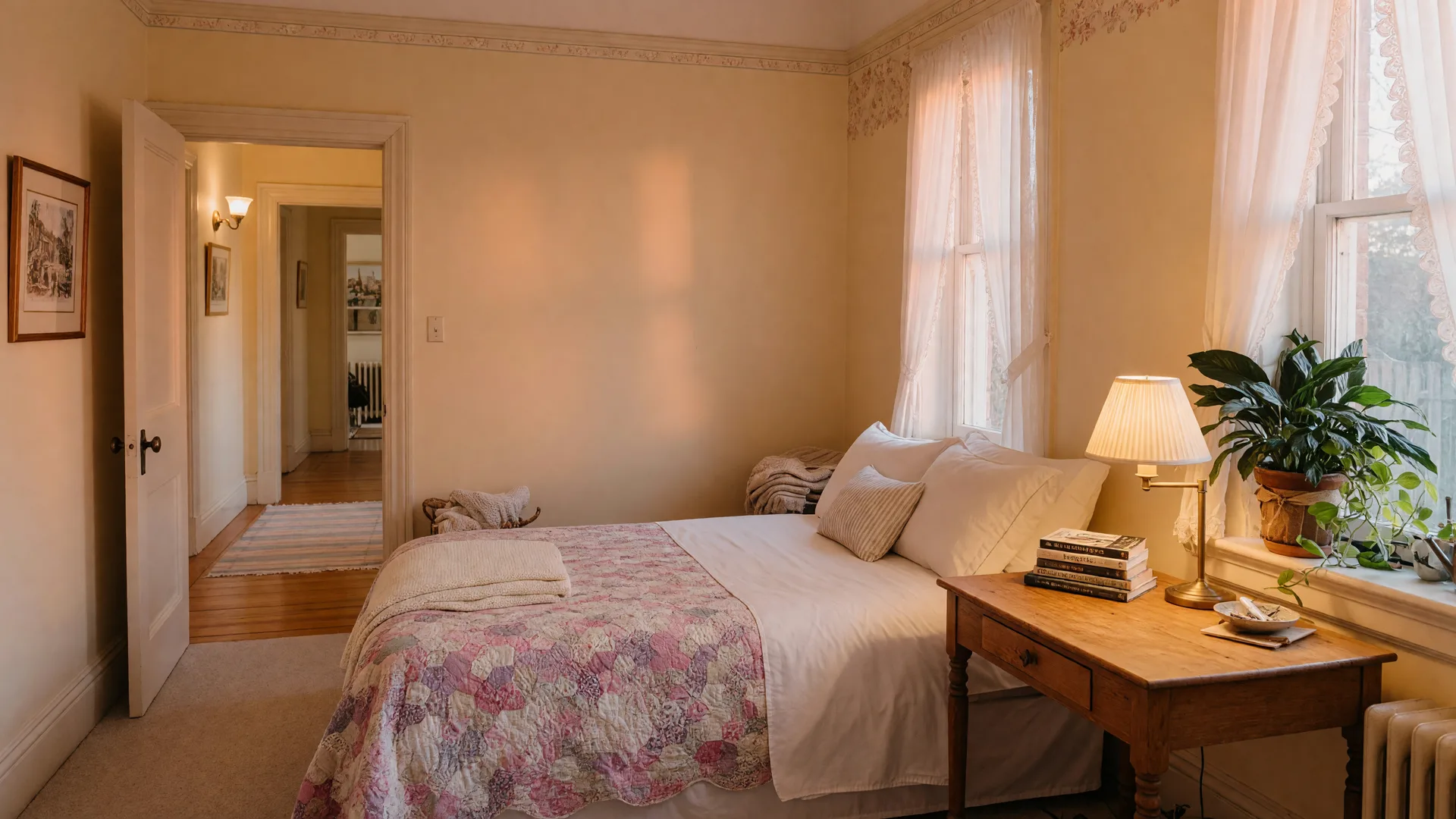
Downsizing is not only about moving to a smaller home. For some homeowners in Greater Victoria, the most comfortable housing decision is to stay put and make the home they already love work differently. Renting out a spare room, sometimes through a homesharing arrangement, can bring in extra income, add companionship, and ease the cost of staying in a larger house.
This guide explains how homesharing and renting a room work for older homeowners in Greater Victoria, what to think through before you start, and how the income is treated for tax purposes, so you can decide whether it fits your situation.
What is homesharing?
Homesharing matches a homeowner who has a spare room with someone who needs an affordable place to live, often a post-secondary student or another older adult. The arrangements are usually structured: a written agreement, a monthly rent below typical market rates, and clear expectations about meals, privacy, and house rules.
In Greater Victoria, matching is often done through Canada HomeShare, a national not-for-profit homesharing service (powered by a BC-based platform) that pairs older adult "home providers" with students or other adults. Programs like these add a layer of screening and structure that can make the idea feel far less intimidating.
Why a room in your home can be a genuine alternative
- Income without moving. Rent from a room in your home can offset utilities, property tax, and upkeep while you stay put.
- Companionship and security. Many older adults appreciate knowing someone is home, and students often welcome a stable, supportive housing situation.
- Stay in your community. You keep your neighbours, your routines, your garden, and your familiar surroundings.
- Flexibility. A room rental can be a short-term experiment. If it does not suit, you can end the arrangement rather than having to move again.
Homesharing is not the right answer for everyone, and it does not replace long-term planning for accessibility or health needs. But for a healthy homeowner who wants company and income, it can be a genuinely smart form of "downsizing in place."
What to consider before renting out a room
- What do you need to protect first? Before you invite anyone in, review your home insurance and confirm how the rental changes your coverage.
- What space are you really sharing? Be honest about how many rooms you want shared and where your boundaries are around kitchen access, laundry, and guests.
- Compatibility matters more than rent. Values around smoking, pets, quiet hours, and overnight guests should be discussed before anyone moves in.
- Use a written agreement. Even informal homeshares deserve a clear written understanding of rent, utilities, notice periods, and house rules.
- Think about the length of the arrangement. A term tied to the school year is often easier to end gracefully than an open-ended tenancy.
Rental income, taxes, and benefits in BC
Rental income from a room in your home is generally taxable in Canada, and it is reported on your tax return. You can claim related expenses, such as a portion of mortgage interest, property tax, utilities, and maintenance, to arrive at your net rental income. Because net rental income counts toward your total income on the year, it can affect income-tested benefits in later years, including the OAS clawback, so it is worth running the numbers before you decide.
There is an important nuance around the principal residence exemption. Renting a room does not usually affect your principal residence status as long as the home remains primarily your personal residence, no significant structural changes are made for the rental, and you do not claim capital cost allowance (depreciation) on the rented portion. Claiming depreciation on that part is the detail that can put the special tax status of your home at risk, which is firmly a conversation to have with an accountant before starting.
If an adult child or friend simply shares the home and contributes a small amount toward household expenses rather than paying true rent, CRA generally does not treat that as rental income, and no income reporting is needed, but the distinction must work as an actual arrangement, not merely a label on the receipt.
None of the above is tax or legal advice. Because rules change and everyone's situation differs, please review the specifics with an accountant or tax professional before you welcome a room.
When homesharing is not the move
If the extra space is the real burden and no amount of income or company changes stairs, yard work, or isolation, then renting a spare room may delay but not solve the underlying problem. Homesharing works best for someone who is comfortable sharing their home, healthy enough to set boundaries, and clear about the trade-offs. If the goal is to remove the work of the home itself, downsizing to a condo, townhome, or senior community may still be the better fit.
There is more than one answer to "should I move?"
Staying in your home with a roomer is a real strategy, and so is moving. I help Greater Victoria homeowners compare the honest costs of both, from the true cost of keeping the house to what a smaller home would provide. Let's look at your situation together.
Book a ConsultationFrequently asked questions
Is renting a room in my home taxable in Canada?
Generally yes, rent from a room in your principal residence is taxable and reported with related expenses deducted to arrive at net income. If a housemate simply shares the home and contributes a small amount toward household expenses, CRA normally does not treat that contribution as rent. Confirm the details with an accountant.
Will renting a room cost me my principal residence exemption?
In most cases, no, as the home remains your principal residence and there are no major structural changes. The main situation to avoid if you want to keep the exemption is claiming capital cost allowance (depreciation) on the rented portion, which can affect its tax treatment when you sell.
How do I find a good homesharing match in Victoria?
Non-profit programs like Canada HomeShare, which serves the Victoria area, match older homeowners who have a spare room with vetted students or other adults. These programs typically handle screening, agreements, and support so the arrangement starts on a clear footing.
Is homesharing the same as downsizing?
No. Homesharing lets you stay in the same home and share the space, while downsizing usually means moving to a smaller, more suitable home. Homesharing suits a healthy homeowner who wants income and company; downsizing suits someone ready to release the upkeep, stairs, or size of the current home.