
Downsizing with Pets in Greater Victoria: Finding Your Next Home Together

Andrew Holenchuk
Victoria Property Group · eXp Realty
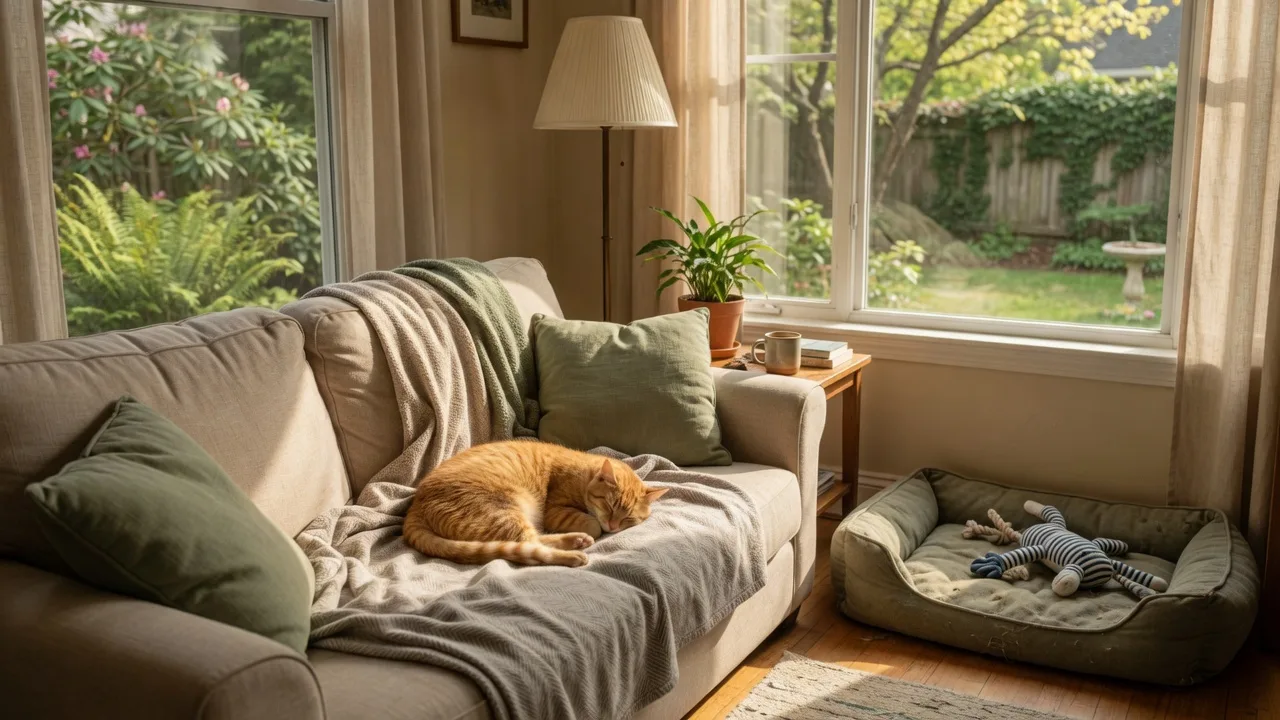
When you are planning a move to a smaller home, your pets are not just part of the equation. For many people, they are the most important part. A dog that has known nothing but a fenced yard, a cat who has claimed every sunny windowsill, an aging companion who needs quiet and familiarity. Your next home needs to work for them too.
Downsizing with pets in Greater Victoria brings unique considerations. Pet-friendly housing can be harder to find in the condo and townhome market, and the transition itself can be stressful for animals. With some planning and the right knowledge, you can find a home where every member of the family settles in comfortably.
Start with the pet policy
The first and most important rule is simple: check the pet policy before you fall in love with a home. In Greater Victoria's strata market, pet rules vary significantly from building to building.
Strata pet bylaws in BC
Under British Columbia's Strata Property Act, strata corporations can create bylaws that restrict pets. Common restrictions include:
- Size and weight limits: Many buildings restrict dogs to under 25 pounds or 30 pounds. If you have a larger breed, your options will be narrower.
- Number limits: Most strata buildings allow one or two pets per unit. If you have multiple pets, confirm the limit before you make an offer.
- Breed restrictions: Some buildings prohibit specific breeds. These restrictions vary and can be arbitrary.
- Pet registration: Most stratas require you to register your pet and provide documentation including proof of spay/neuter and vaccination records.
Important note: under BC's Strata Property Act, strata corporations cannot ban pets outright in most cases. However, they can impose reasonable restrictions. New buildings registered after a certain date may have different rules. Always review the full strata bylaws before committing to a purchase.
Rental properties and pets
If you are planning to rent after downsizing, the rules are different. In BC, landlords can set their own pet policies, including no-pet clauses. However, the Residential Tenancy Act allows for pets in some circumstances, and many landlords are becoming more pet-friendly as demand shifts. Be upfront about your pets during the rental application process. Hiding a pet can be grounds for eviction.
What to look for in a pet-friendly home
Beyond the policy, the physical characteristics of your next home matter enormously for your pet's quality of life.
For dog owners
- Ground-floor access: If you have an older dog or one with mobility issues, a ground-floor unit or a building with an elevator is essential.
- Proximity to green space: Being close to parks, trails, or off-leash areas is one of the most important factors. Victoria has excellent dog parks in neighbourhoods like Beacon Hill Park, Mount Doug Park, and Saxe Point. Consider your dog's daily walking route as part of your home search criteria.
- Easy outdoor access: A patio, balcony, or immediate access to a courtyard makes a huge difference. Even a small outdoor space where your dog can get fresh air is valuable.
- Storage for gear: Smaller homes mean less space for dog beds, leashes, food, and toys. Look for entryway storage or a mudroom area.
For cat owners
- Window perches and natural light: Cats thrive on vertical space and warm sunny spots. A home with good windows, wide sills, or a secure balcony can make a smaller space feel much larger to a cat.
- Cat-proofed balcony: If you plan to let your cat onto a balcony, ensure it is enclosed or cat-proofed. Many cats adapt wonderfully to balcony life with the right setup.
- Quiet building: Cats are sensitive to noise. A ground-floor unit facing a busy street may be less suitable than a higher-floor unit with a quieter aspect.
For all pet owners
- Floors that clean easily: Hardwood, laminate, or tile are far more practical than carpet for pet owners. Pet accidents, fur, and muddy paws are much easier to manage.
- Ventilation: Good airflow matters, especially if you are moving from a house with a yard to a smaller space. Look for cross-ventilation and windows that open wide enough for fresh air.
- No shared walls with loud neighbours: If possible, choose an end unit or a top-floor unit to reduce noise transfer, which can stress pets.
Best Greater Victoria neighbourhoods for pets
Some areas of Greater Victoria are especially well suited for pet owners who are downsizing:
- Victoria West: Close to the Galloping Goose Trail, Saxe Point Park, and the waterfront. Many pet-friendly condos and townhomes are available.
- Fairfield/Gonzales: Walkable to Beacon Hill Park, Dallas Road waterfront, and off-leash beaches. A strong pet-friendly community vibe.
- Oak Bay: Access to Uplands Park, Willows Beach, and quiet tree-lined streets. Condos here often come with building rules that allow pets.
- Saanich (Gordon Head, Cadboro Bay): Close to Mount Doug Park, Cadboro Bay Beach, and extensive trail networks. Many townhome complexes in this area allow pets.
- Sidney: A very walkable seaside town with the Lochside Trail, Tulista Park, and a strong sense of community. Pet-friendly condos near the waterfront are available.
- Langford and Colwood: Newer developments often have more flexible pet policies. Access to Goldstream Park, Langford Lake, and the Galloping Goose Trail make these areas excellent for active dogs.
Helping your pet adjust to a smaller home
Moving is stressful for pets. A smaller home with new sounds, smells, and fewer familiar hiding spots can be disorienting. Here is how to make the transition smoother:
Before the move
- Visit the new home together. If possible, take your pet to visit the new home before moving day. Let them explore the space at their own pace.
- Keep routines consistent. Stick to the same feeding, walking, and play schedules throughout the moving process. Familiar routines are calming.
- Use familiar items. Keep your pet's bed, bowls, toys, and blankets with you during the move. Their scent on familiar objects helps them feel secure.
Settling in
- Create a safe space first. Before unpacking everything, set up a quiet room or corner with your pet's bed, water, and a few familiar toys. Let them adjust to one area before exploring the whole home.
- Introduce outdoor spaces gradually. For dogs, take them on the same walking route for the first week to build familiarity. For cats, keep them indoors for at least two weeks before considering any outdoor access.
- Watch for signs of stress. Changes in appetite, hiding, excessive vocalizing, or bathroom accidents can indicate stress. Give your pet time and patience. Most pets adjust within a few weeks.
Making a smaller space work
A smaller home does not mean a lower quality of life for your pet. In many ways, it can be better: less space to patrol, closer proximity to you, and a cozier environment. Some tips:
- Use vertical space: cat trees, wall shelves, and window perches add territory without taking floor space.
- Invest in interactive toys and puzzles to keep your pet mentally stimulated.
- Consider doggy daycare or a dog walker if you are concerned about exercise. Victoria has excellent pet care services.
- Build a consistent daily routine: a predictable schedule helps pets feel secure, especially in a new environment.
When your pet is aging too
Many downsizers have senior pets. If your dog or cat is also in their later years, consider these additional factors:
- Single-level living: Stairs become harder for aging pets. A rancher, ground-floor condo, or a building with an elevator is ideal.
- Proximity to a veterinarian: Being close to your vet clinic reduces stress for both of you. Victoria has excellent veterinary care in every part of the city.
- Easy access to the outdoors: A patio or immediate access to a small outdoor area can make daily routines much easier.
- Plan for changing needs: Consider whether your home can accommodate a pet ramp, non-slip flooring, or other modifications your aging pet might need.
Frequently asked questions
Can a strata change its pet rules after I move in?
Yes, strata corporations can vote to change bylaws, including pet restrictions. However, most stratas have a "grandfathering" provision that allows existing pets to remain under the previous rules. Review the strata's bylaws carefully before purchasing, and ask about any proposed changes that might affect pets.
What if I have a large dog and most stratas have weight limits?
Your options will be more limited, but they exist. Look for newer buildings, townhome complexes, or small walk-up buildings that may have more lenient rules. Some stratas have no weight limit at all, or limit restrictions to specific breeds. Saanich, Langford, and Colwood tend to have more pet-friendly strata options than downtown Victoria. A local REALTOR who knows the pet-friendly inventory can save you significant time.
Is it easier to buy or rent with pets in Victoria?
Buying gives you more control, since you can review strata bylaws before purchasing. Renting with pets can be more challenging, as individual landlords set their own rules. However, the rental market in Greater Victoria is gradually becoming more pet-friendly as demand increases. Start your search early and be prepared to act quickly when a pet-friendly rental becomes available.
How long does it take for a pet to adjust to a smaller home?
Most pets adjust within two to four weeks. Dogs generally adapt faster, especially if they have consistent walks and routines. Cats can take longer, particularly if they were previously outdoor cats. Be patient, maintain routines, and give your pet plenty of positive reinforcement. If your pet is not adjusting after a month, consult your veterinarian for advice.
Finding the right home for everyone
I help families across Greater Victoria find homes that work for every member of the household, including the four-legged ones. If you are planning to downsize and need pet-friendly options, let's talk.
Book a ConsultationAbout the author: Andrew Holenchuk is Team Leader of Victoria Property Group at eXp Realty and has been helping clients buy and sell homes in Greater Victoria since 2006. He has facilitated more than $1 billion in real estate sales and understands that a home needs to work for every member of the family. This article provides general information and does not constitute legal advice. Consult a qualified professional for advice specific to your situation.