
Downsizing When You Rent: A Guide for Seniors in Greater Victoria

Andrew Holenchuk
Victoria Property Group · eXp Realty
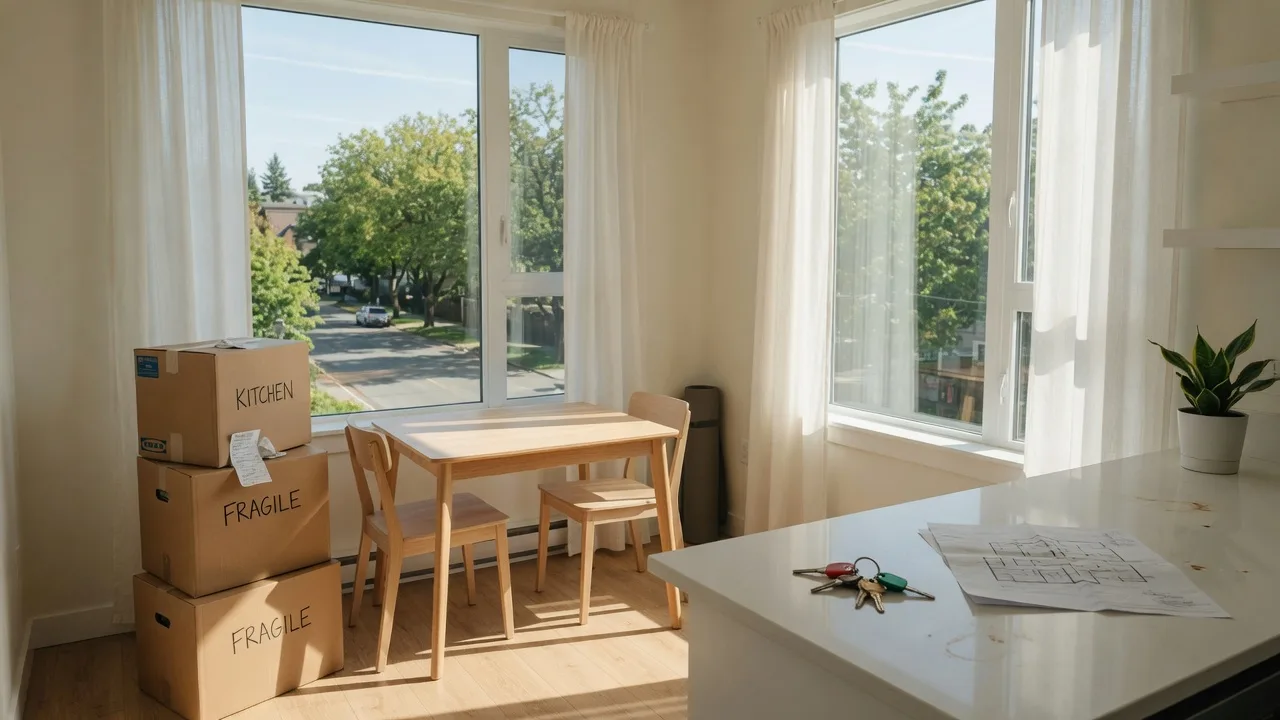
Most downsizing advice assumes you own the home you are leaving, but thousands of seniors in Greater Victoria rent, and renting households downsize every day. Whether you are moving from a three-bedroom townhouse into a one-bedroom apartment, leaving a walk-up for a ground floor unit, or relocating closer to family and bus routes, the move involves the same mix of planning, sorting, and honest thinking about what you need. This guide covers the rental-specific side of downsizing: how the Victoria rental market looks right now, what to look for in a smaller home, how the tenancy process works, and where to turn for financial help.
The rental picture in Greater Victoria right now
The most recent CMHC rental market survey of the Victoria area, from late 2025, found a vacancy rate of about 3.3 percent for purpose-built rentals, the highest the region has seen since the late 1990s. That is a meaningful change from the years when vacancy hovered near one percent and renters competed for every listing. The same survey put the average rent for a one-bedroom purpose-built apartment at about $1,624 a month, with studios averaging around $1,349 and two-bedrooms around $2,121.
What does this mean for a senior downsizing between rentals? More choice, for starters. This is a better time to be looking than at any point in the past decade, because landlords are competing for good tenants rather than the reverse. It also means you can afford to be selective about features that matter to you, and you can negotiate on things like move-in dates and pet terms in some cases. The caveat is that the most affordable units still draw competition, and budgets remain the deciding factor for many renters.
Why renters downsize too
The reasons a renting senior chooses a smaller home are much the same as a homeowner's, with a couple of rental-specific twists:
- Stairs become the enemy. A second-floor walk-up you have managed for years can start to feel like a daily obstacle, especially carrying groceries or laundry.
- Maintenance is no longer your problem, but comfort is. Heating costs, drafty windows, and poor building upkeep become reasons to look around.
- Rent has its own math. A three-bedroom townhouse rents for more than a one-bedroom apartment, and the savings on rent, utilities, and contents insurance can be meaningful.
- Neighbourhoods change. Moving closer to family, a bus route, a medical clinic, or a community centre is a common reason seniors move between rentals.
- Less stuff asks for less space. A household full of furniture and decades of possessions no longer matches the life you actually live.
Roughly one in five seniors in the province rents, so you are far from alone, and there is nothing about renting that should stop you from creating a home that fits your life.
What to look for in a smaller, senior-friendly rental
When you tour a prospective rental, keep a running list of the features that will keep you comfortable for years, not just for the first month:
- Step-free entry and a ground floor or elevator. The single biggest factor in staying mobile at home.
- In-suite or on-floor laundry. Shared basement laundry is the most common source of frustration in older buildings.
- A bathtub that works for you. A walk-in shower or a tub you can step into and out of safely matters more as the years pass.
- Heating costs you can predict. Ask what the utility bills have averaged, and whether heat and hot water are included in the rent.
- Parking and storage. If you still drive, an assigned spot is worth a lot. A locker or storage cage helps you keep the seasonal things you are not ready to part with.
- Pet rules. If you have a cat or dog, get the pet policy in writing before you fall in love with the unit.
- Transit and errands on foot. A bus stop nearby or a grocery store within walking distance can keep you independent for years. Our guide to walkability in Greater Victoria explains how to evaluate this before you commit.
If accessibility is a growing concern, our article on home safety and fall prevention has a checklist you can adapt to a rental, and many of the same principles apply when you are evaluating a building rather than renovating a house.
How the rental process works in BC
British Columbia's Residential Tenancy Act sets clear rules that protect both tenants and landlords, and knowing them before you start will save you stress.
Applications: expect to provide references, and some landlords run a credit check. If your credit history is thin, offering a larger deposit (within legal limits) or a cosigner can help. A landlord cannot collect more than half of one month's rent as a security deposit, and they must still pay you interest on it when the tenancy ends.
Notice: if you are on a month-to-month tenancy, the rule is that a renter gives at least one month's written notice, with the move-out date landing at the end of a rental period. If you are inside a fixed-term lease, your rights and dates depend on the agreement and current Residential Tenancy Branch rules, so confirm your exact obligations before you commit to a new move date. Being clear on this protects you from paying two rents.
Landlord duties: your unit must meet minimum health and safety standards, and major repairs are the landlord's responsibility, not yours. If a unit is offered on an "as is" basis, think twice, because some issues in older buildings never get better.
Financial help for senior renters
If rent feels heavy, you may qualify for help. Shelter Aid for Elderly Renters, known as SAFER, provides monthly assistance to BC residents aged 60 and over who pay rent for their primary residence, and its payments are based on income and housing costs. Because SAFER follows your circumstances, you generally reapply or update your application after a move, and a lower rent can change the amount you receive. Our full guide to SAFER and subsidized seniors housing explains eligibility, applications, and the honest realities of the waitlists.
Budgeting for the move itself matters too. Moving between rentals usually means a moving company or a rented truck, transfer of utilities out of your name and into your new home, and sometimes a gap week between tenancies. Our guides to budgeting for a downsizing move and to choosing a moving company apply just as much to renters as to homeowners.
The downsizing part is the same
Moving from one rental to a smaller one is still downsizing, with one difference: you cannot simply store things in your garage or basement while you decide. Space is finite from day one, which is actually a gift. It forces the decluttering conversation to happen before the move rather than after it.
Work through the house in order, starting with the rooms you use least, and be honest about what the new home can hold. Our room-by-room decluttering guide and our advice on keeping sentimental belongings will help you make decisions that feel careful rather than rushed. If you are moving with a pet, check our guide to downsizing with pets, since building rules will shape that decision more than they ever did in a detached home.
Moving day and the weeks after
The mechanics of the move are the same whether you own or rent: book movers early, forward mail, transfer utilities, and give yourself a walkthrough checklist for the old place and the new one. Our moving day guide for downsizers includes a practical checklist, and our week-by-week moving timeline will keep you on pace.
One rental-specific note: schedule a joint walkthrough of the unit you are leaving, take dated photos of the condition, and keep your communication with the landlord in writing. That habit alone prevents most end-of-tenancy disputes about deposits or damage.
Renting now, buying later
For some seniors, downsizing into a rental is a permanent choice, and a good one. For others, it is a bridge: sell or give up a large rental, right-size into something manageable, and decide later whether buying a condo or townhome makes sense. Renting first is one of the most honest ways to test a neighbourhood and a building type before you commit a purchase. If you are thinking in that direction, our guide to choosing your next home after downsizing outlines the features buyers in Greater Victoria value most, and our article on the costs of buying explains the fees, taxes, and strata reality you would face. Rent for a season, learn the neighbourhood, and decide from facts rather than assumptions.
Frequently asked questions
Can I get SAFER help if I move to a cheaper rental?
Generally, SAFER assistance is calculated from your rent and income, so a move changes the picture, and you need to update your application with your new address and rent. Lowering your rent does not automatically hurt you, since the program is designed to make housing affordable rather than to punish frugal choices. Contact the provider and confirm how a change of address affects your file before you sign a new lease.
How much notice does a tenant need to give in BC?
For a month-to-month tenancy, at least one month's written notice, with the termination date at the end of a rental period. Fixed-term tenancies follow the rules in your agreement and current Residential Tenancy Branch guidelines. Verify your exact obligation with the Residential Tenancy Branch if there is any doubt, so you are not paying two rents at once.
Is it hard to get approved for a rental as a senior?
Not inherently. Landlords look for reliable references and steady income, whether that comes from employment, a pension, or investment income. If your income is modest or your credit file is thin, a cosigner, a guarantor, or a larger legal deposit can strengthen an application. It also helps to have a summary of your rental history ready, since tenant references speak loudly.
Is renting cheaper than owning after downsizing?
In Greater Victoria today, renting a modest apartment is often cheaper on a month-to-month basis than carrying a condo with strata fees, property tax, and maintenance. The tradeoff is that your rent can rise with the market and you do not build equity. For many seniors the financial comparison also includes the freedom a rental buys: no special levy surprises, no deferred maintenance, and the ability to move if the neighbourhood changes. The right answer depends on your goals, and our comparison of the true cost of keeping a home can help you frame the numbers.
Do landlords have to accept pets?
In BC, landlords can include no-pet clauses, but they cannot charge a separate pet deposit. A growing number of buildings in Greater Victoria allow cats or small dogs, and some newer purpose-built rentals are explicitly pet-friendly, because landlords know the demand is there. If you have a pet, search with the pet filters on, confirm the policy in writing, and be ready to share your pet's history with a reference.
Where can seniors find help finding an accessible rental in Victoria?
Start with the listing sites filtered for ground-floor or elevator buildings, then check with local seniors' resource organizations and community centres, which often hear about accessible units before they are listed. BC Housing's rental listings and the Housing Registry also include accessible units, though waitlists for subsidized housing are long. A realtor with rental experience can be worth hiring for a move like this, because listing photos rarely tell you whether a doorway is wide enough for a walker or whether the elevator is reliable.
Thinking about a rental that fits your next chapter?
Whether you are moving between rentals, leaving a house for an apartment, or weighing whether to rent before you buy, I am glad to help you think through your options honestly. Greater Victoria has more rental choice than it has in years, and the right move starts with the right questions.
Let's TalkWritten by Andrew Holenchuk, Team Leader of Victoria Property Group at eXp Realty. Since 2006, Andrew has been helping people in Greater Victoria confidently navigate one of life's biggest housing transitions, including the many households who downsize from one rental to another. If you are weighing a move, a conversation is always welcome.