Downsizing a Rural Property or Acreage in Greater Victoria

Andrew Holenchuk
Victoria Property Group · eXp Realty
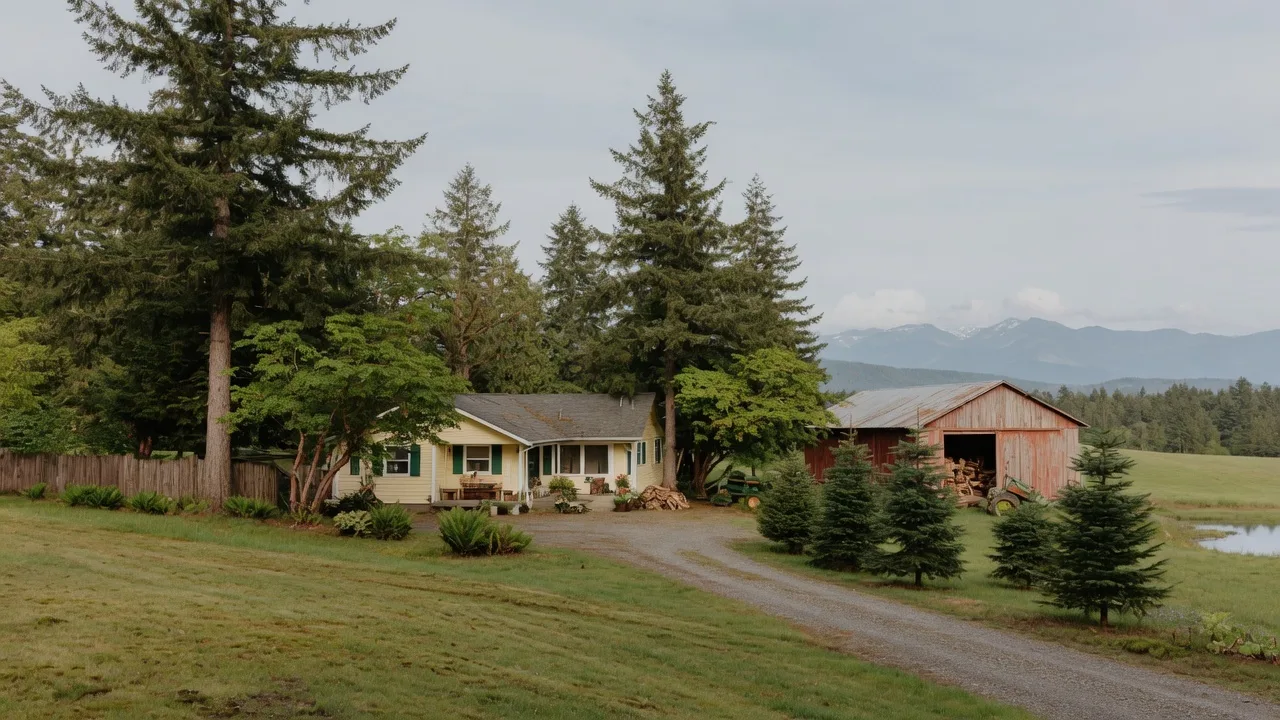
There's a particular kind of pride that comes with owning a rural property on southern Vancouver Island — the space, the views, the garden, the quiet. Whether it's a five-acre hobby farm in the Highlands, a waterfront property in Metchosin, a countryside lot in Shawnigan Lake, or a family acreage in Cobble Hill or Mill Bay, rural properties are deeply personal. They're also uniquely complex when it's time to downsize.
If you're considering selling a rural or acreage property in the Greater Victoria area, this guide covers what's different about the process — from septic systems and well water to outbuildings, zoning, and the specific challenges of marketing a property that doesn't fit neatly into a standard listing category.
Why rural downsizing is different
Selling a standard detached home in Victoria or Saanich is one thing. Selling a property with acreage, outbuildings, septic, wells, and agricultural zoning is another. Here's what makes rural properties unique in the downsizing process:
- The property is often the product, not just the house. Buyers of rural properties are purchasing land, views, privacy, and potential — not just a dwelling. The home may be secondary to the property's value.
- Maintenance has been extensive. Fences, roads, gates, outbuildings, gardens, orchards, water systems — rural properties require constant attention, and deferred maintenance shows quickly.
- Systems are different. No municipal water or sewer. Septic systems, wells, generators, and private road access all require documentation, inspection, and in many cases, disclosure.
- The buyer pool is narrower. Not everyone wants — or can afford — a rural property. Marketing and pricing require a more targeted approach.
- The emotional attachment runs deep. Many rural property owners have invested decades of physical labour into their land. Letting go of that is profoundly personal.
Septic systems: what you need to know before listing
In Greater Victoria, most properties outside of municipal service areas rely on septic systems. In British Columbia, the Sewerage System Regulation requires that any property with a septic system have a valid Permitted Sewerage System registration and that the system be maintained by a licensed septic professional.
Here's what buyers, inspectors, and your REALTOR® will be looking for:
- Registration and permit status. Is the septic system registered with the BC Ministry of Health? Is the permit current? An unregistered or expired system can delay or complicate a sale.
- Recent inspection and pump-out. A septic inspection (typically $300–$600 in the Victoria area) and a pump-out ($300–$500) should be done before listing. Buyers will request this, and having it done proactively demonstrates care and transparency.
- System age and condition. Concrete septic tanks last 40–50 years; steel tanks may last 20–25. Drain fields have a finite lifespan. An older system may need replacement — a cost that can range from $15,000–$40,000+ depending on soil conditions and system size.
- Location on the property. The septic drain field occupies a portion of the land and has setback requirements from buildings, property lines, and water sources. This affects how the property can be used and developed.
- Maintenance records. A history of regular inspections and pump-outs adds value and buyer confidence. If records exist, gather them. If they don't, be prepared for buyers to assume the worst.
Well water: testing, quality, and disclosure
Properties on well water face a similar due diligence requirement. In BC, there's no legal requirement to test well water before selling a property, but it's strongly recommended — and increasingly expected by buyers and their lenders.
- Water quality testing. A standard water test ($50–$150) checks for coliform bacteria, E. coli, nitrates, and sometimes hardness and pH. More comprehensive tests for arsenic, iron, manganese, and other minerals are available and advisable on Vancouver Island, where naturally occurring minerals are common.
- Well yield and flow rate. The amount of water the well produces (measured in gallons per minute) directly affects the property's usability. A well producing less than 5 GPM may not adequately serve a household, especially one with irrigation needs.
- Well construction and casing. The well casing, cap, and surface seal protect against contamination. An improperly sealed well is a health risk and a red flag for buyers.
- Water treatment systems. If the property has a water filtration or treatment system (UV, water softener, iron filter), documentation of the system's age, maintenance, and performance adds buyer confidence.
- Well depth and history. How deep is the well? Has it ever run dry? These questions come up regularly during rural property transactions. Having the answers ready demonstrates transparency.
Outbuildings, workshops, and structures
Rural properties in Greater Victoria often include structures that don't exist on urban lots — barns, workshops, detached garages, guest cottages, greenhouses, animal shelters, and storage buildings. Each of these affects the sale:
- Permitted vs. unpermitted structures. If an outbuilding was built without a building permit, this creates risk for the buyer (potential demolition orders, inability to insure, or strata/zoning issues). Disclosure of unpermitted structures is important, and an experienced REALTOR® can help navigate the conversation.
- Condition assessment. Roofs, foundations, electrical connections, and structural integrity of outbuildings all matter. A workshop with proper electrical service and a solid floor adds real value; a deteriorating barn is a liability.
- Detached cottage or secondary suite. If the property includes a secondary dwelling, this can be a significant value-add — especially in Greater Victoria's tight rental market. However, the suite must comply with local zoning, building code, and potentially strata (bare land strata) requirements.
- Cleanout and staging. Outbuildings are often where decades of equipment, materials, and "someday" projects accumulate. Cleaning and organizing these spaces is essential before listing.
Zoning, land use, and the Agricultural Land Reserve
Greater Victoria's rural properties are subject to a patchwork of zoning bylaws and provincial regulations that affect what can be done with the land. Key considerations include:
- Agricultural Land Reserve (ALR). Properties in the ALR — which includes significant portions of Saanich, North Saanich, Central Saanich, the Highlands, and parts of Metchosin and Sooke — are restricted in how they can be used and developed. Non-farm use of ALR land is limited, and subdivision rules are stricter. This affects both the buyer pool and the property's potential value.
- Rural residential zoning. Properties outside the ALR but within rural zones (such as those in the Highlands, Shawnigan Lake, and parts of Cobble Hill) have their own density, setback, and use restrictions. Understanding the zoning before listing is essential for accurate pricing and disclosure.
- Bare land strata. Some rural properties have been subdivided into bare land strata lots, which come with shared infrastructure (roads, water systems, common areas) and strata fees. These arrangements affect both the use of the land and the buyer's obligations.
- Water licences and groundwater. Properties that draw water from a well for irrigation, livestock, or commercial purposes may hold a water licence under BC's Water Sustainability Act. These licences are valuable and transfer with the property. If one exists, it should be documented and disclosed.
Access, roads, and infrastructure
Rural properties often come with unique infrastructure considerations that urban sellers never face:
- Private roads. Many rural properties in the Highlands, Metchosin, Shawnigan Lake, and Cobble Hill are accessed via private roads. The condition, maintenance responsibility, and legal easement status of these roads directly affects property value and buyer interest.
- Driveway maintenance. A long gravel driveway that needs annual grading and winter maintenance is a practical reality buyers will evaluate. In some cases, the cost of maintaining a private road is shared among neighbouring properties through a road maintenance agreement.
- Utility connections. Properties may rely on propane for heating, septic for waste, and wells for water. The cost and logistics of these systems should be clearly communicated to buyers.
- Internet and communications. Rural properties in parts of Greater Victoria — particularly the Highlands, Metchosin, Sooke, and parts of Shawnigan Lake — may have limited internet access. In 2026, this is a significant factor for many buyers, especially those who work from home.
Preparing a rural property for sale
The preparation process for a rural property is more extensive than for an urban home. Here's a practical approach:
Three to six months before listing
- Septic inspection and pump-out. Schedule a licensed inspection. Address any issues found.
- Well water test. Conduct a comprehensive water quality test. If results are poor, consider installing treatment before listing.
- Gather documentation. Septic records, well logs, water test results, property surveys, zoning confirmation letters, ALR status, outbuilding permits, and any road maintenance agreements.
- Assess outbuildings. Determine which structures are in good condition, which need repair, and which may need to be disclosed as unpermitted.
- Address deferred maintenance on the property itself. Fencing, gates, drainage, culverts, and access roads all matter.
One to three months before listing
- Clean out outbuildings. Buyers will look in every barn, shed, and workshop. Empty and clean these spaces.
- Maintain grounds and landscaping. Mow, trim, clear brush, and ensure the property looks cared for — first impressions are critical in a rural setting.
- Repair or clean the driveway. Grading, gravel replenishment, and drainage improvements make a strong first impression.
- Consider a pre-listing home inspection. On rural properties, a pre-listing inspection that covers the dwelling, septic, and well provides transparency and reduces negotiation risk.
- Professional photography. Rural properties demand exceptional photography — aerial drone shots of the land, wide-angle views of the setting, and detailed images of the home, outbuildings, and landscape features. This investment pays for itself in buyer interest.
Pricing a rural property: more art than science
Pricing rural properties in Greater Victoria is more nuanced than pricing urban homes. Comparable sales are harder to find — every rural property is unique in its land size, features, location, and improvements. Here are the key pricing considerations:
- Land value vs. improvement value. On many rural properties, the land itself represents a significant portion — sometimes the majority — of the property's value. Understanding the land's highest and best use (which may or may not be its current use) is essential.
- ALR restrictions. Properties in the ALR typically sell for less than comparable non-ALR land, because the development potential is limited. This is a significant pricing factor.
- Water features and waterfront. Properties with ocean views, waterfront access, or creek frontage in areas like Metchosin, Sooke, Shawnigan Lake, and the Saanich Peninsula command premiums that standard comparables may not capture.
- Income potential. A property with a licensed secondary suite, an established garden or orchard, rental cottages, or potential for agritourism has income value that should be factored into pricing.
- Buyer profile. Rural property buyers in Greater Victoria often include hobby farmers, equestrians, families seeking space, retirees wanting privacy, and developers looking at subdivision potential. Understanding your likely buyer helps position the property correctly.
The emotional side of leaving the land
For many rural property owners, the decision to leave is one of the most difficult they've ever made. The land represents years — sometimes decades — of physical work, stewardship, and personal investment. The garden you planted, the trees you've watched grow, the animals you've raised, the view you've loved every morning.
It's important to honour that emotional reality while also recognizing the practical reasons for the move. Common motivations include:
- The physical demands of rural property maintenance becoming too much.
- Health concerns or mobility changes that make a large property impractical.
- Desire to be closer to healthcare, family, or community services.
- Financial considerations — the equity tied up in a rural property can significantly improve retirement security.
- Loneliness or isolation, especially for single owners or surviving spouses.
Whatever the reason, the transition from rural to urban or suburban living is a major life change. Working with a REALTOR® who understands the unique emotional and practical dimensions of rural property sales makes a meaningful difference.
Areas we serve for rural property sales
Victoria Property Group has experience selling rural and acreage properties throughout the Greater Victoria region and Capital Regional District, including:
- The Highlands: Rugged terrain, large lots, forested properties, and a strong community of nature-oriented homeowners.
- Metchosin: A mix of rural acreages, waterfront properties, and equestrian estates with a strong agricultural identity.
- Shawnigan Lake: Waterfront and rural properties ranging from modest cabins to substantial estates, with a growing year-round community.
- Mill Bay and Cobble Hill: Agricultural and rural residential properties with valley views, proximity to the Malahat, and a relaxed country atmosphere.
- North Saanich and Central Saanich: Farmland, ALR properties, and rural estates near the Swartz Bay ferry terminal and Victoria International Airport.
- Sooke and East Sooke: Larger acreages with ocean views, a strong sense of community, and increasing interest from buyers seeking affordability and space.
- Duncan and the Cowichan Valley: While just outside the Capital Regional District, the Cowichan Valley is a popular destination for downsizers seeking rural properties at more moderate price points.
Frequently asked questions
Do I need to disclose that my property is on a well?
Yes. In British Columbia, sellers are required to disclose all material facts about a property that could affect its value or a buyer's decision. The fact that a property uses well water (rather than municipal water) is a material fact. Providing documentation — well logs, water test results, and pump/maintenance records — is best practice and builds buyer confidence.
How long does it take to sell a rural property in Greater Victoria?
Rural properties typically take longer to sell than standard residential homes — often 3–6 months compared to the 1–3 months typical for urban properties. The smaller buyer pool, unique characteristics, and more complex due diligence all contribute to a longer marketing period. Pricing accurately from the start is especially important, as overpriced rural properties can languish on the market.
What if my septic system is old and I can't afford to replace it?
You have options. First, get an inspection to determine the system's actual condition — "old" doesn't always mean "failed." If the system is functional but aging, you can disclose its age and condition and price the property accordingly, allowing the buyer to plan for eventual replacement. Alternatively, you can offer a price adjustment or credit to the buyer to offset the expected cost. In some cases, a seller-financed repair agreement can be structured before closing.
Can I sell my property if it's in the Agricultural Land Reserve?
Absolutely. Properties in the ALR are bought and sold regularly. The restrictions on non-farm use and development do affect the buyer pool and pricing, but they don't prevent a sale. An experienced REALTOR® who understands ALR properties can position the listing to reach the right buyers — those who value the land's agricultural potential, privacy, and lifestyle.
Should I get a survey before listing my rural property?
A current survey or boundary plan is not legally required, but it's highly recommended — especially for properties with unclear boundaries, shared access roads, or potential encroachment issues. A survey ($1,500–$4,000 depending on property size and complexity) eliminates boundary disputes and gives buyers confidence. If you have an existing survey, make sure it's recent enough to be reliable (generally within 10–15 years).
Thinking about selling your rural property?
I have experience with rural and acreage properties throughout Greater Victoria and the Capital Regional District. Whether your property is five acres or fifty, I'll help you navigate the unique considerations of selling a rural home and find the right buyer who values what you've built.
Let's Talk