
Downsizing Myths in Greater Victoria: What People Get Wrong About Moving to a Smaller Home

Andrew Holenchuk
Victoria Property Group · eXp Realty
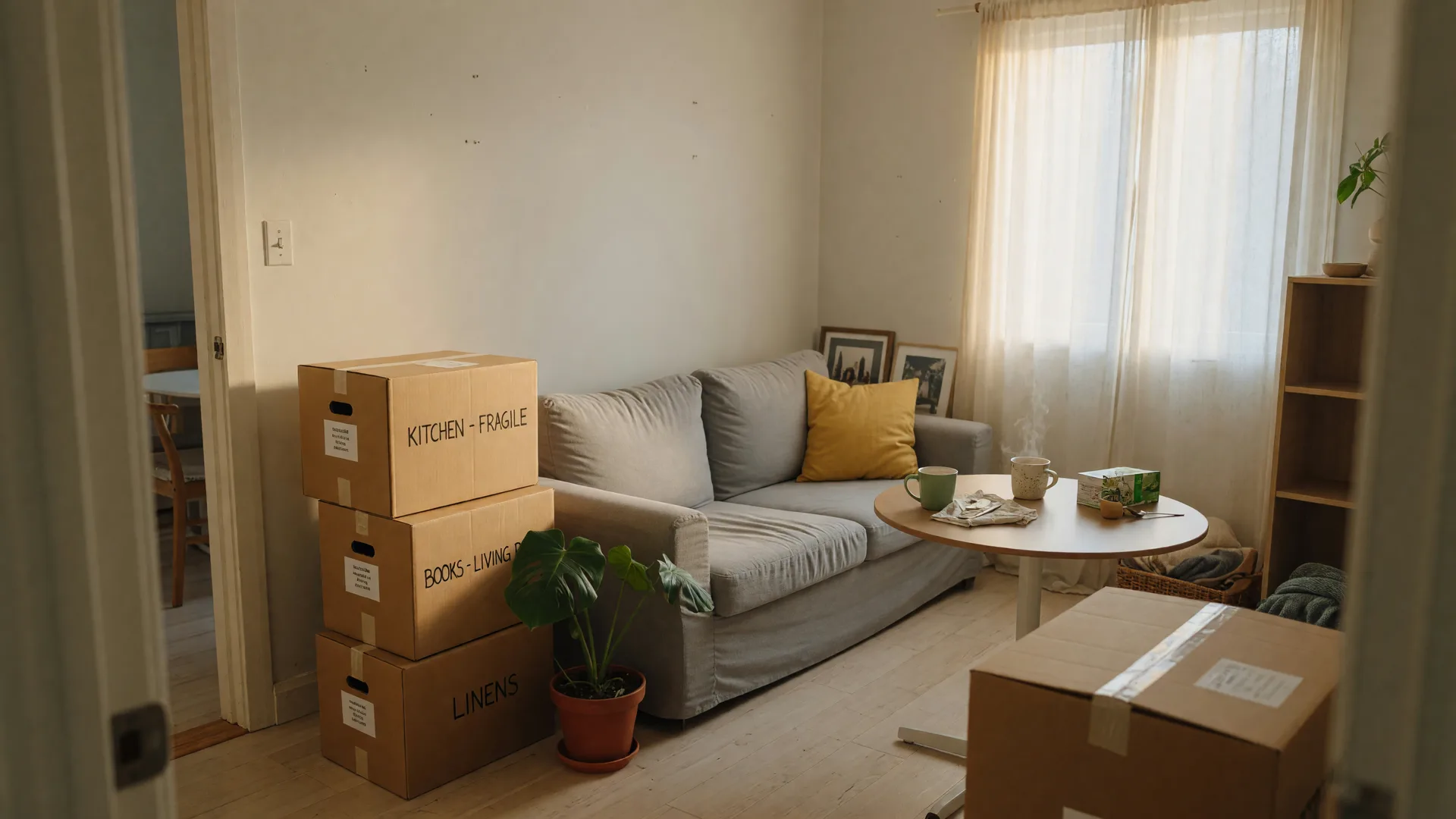
Most people don't delay downsizing because they lack information. They delay it because of assumptions that quietly grow into obstacles: that they'll have to leave their community, give away everything they love, or that the whole process will be miserable. In my years helping Greater Victoria homeowners through housing transitions, I've watched the same myths come up again and again, and I've also watched what happens when families test them against reality. This guide separates the most common downsizing myths from what actually happens, so you can make a decision based on facts rather than fear.
If you're 55, 65, or 85, selling a family home in Saanich, Oak Bay, or Langford, or helping a parent think through their options, the myths below are worth examining before you make any plans. Some of them contain a grain of truth. Most of them, once you look closely, don't hold up at all.
Myth 1: "Downsizing means leaving my community"
This is the myth I hear most often, and it's almost always the furthest from reality. The vast majority of Greater Victoria downsizers stay in the region, and a great many stay within a few kilometres of their current home. Moving from a family house in Gordon Head to a condo near Uptown, or from Oak Bay to a townhome in Sidney, is a change of address, not a change of life.
Staying close matters because the things you value, your neighbours, your doctor, your favourite grocery store, your place of worship, don't have to change when your home does. If staying in your neighbourhood is important to you, it should be the starting point of the conversation, not an afterthought. There are walkable condos and townhomes across Victoria, Saanich, Oak Bay, Esquimalt, View Royal, Sidney, and the Westshore, which means most people can find a smaller home without leaving the community they love.
Myth 2: "I have to get rid of everything I love"
Downsizing is often described as a process of subtraction, but a good housing transition is really about choosing what matters. You don't have to empty your life into a donation bin. You get to decide which pieces of furniture, which photographs, which collections, and which heirloom items genuinely belong in your next chapter, and which ones belong with family, friends, or a new home where they'll be loved.
The practical trick is to start with the keep pile, not the discard pile. When you begin with the things you can't imagine life without, the rest of the sorting becomes far less overwhelming. Many downsizers are surprised to find that a smaller home, thoughtfully arranged, holds more of what matters than a large house full of rooms they rarely entered.
Myth 3: "Downsizing always saves money"
Here's the grain of truth: downsizing often does free up money. Selling a long-held family home in Greater Victoria can unlock significant equity, and a smaller home usually means lower property taxes, lower insurance, and lower utility bills. But it isn't automatic. Strata fees, moving costs, legal fees, and the price of your new home all factor into the equation, and a well-located condo in Victoria can cost more to carry than a paid-off house in the Westshore.
The honest way to look at it is to compare the total cost of your current home, including maintenance, taxes, insurance, and utilities, against the total cost of the home you're considering, including strata fees and the one-time costs of the move. When you run that comparison, downsizing often wins. But it wins because the numbers work for your situation, not because of a magic rule. A local professional can help you build that comparison with real numbers before you commit to anything.
Myth 4: "Downsizing is only for people in their 70s and 80s"
The classic downsizer is often pictured as a retired couple in their late 70s, but the reality in Greater Victoria is much more varied. Empty nesters in their 50s and early 60s are downsizing to simplify, to unlock equity, to travel, or to move closer to work and family. People in their 60s are often downsizing while they're still healthy and energetic, precisely because they want to choose their next home on their own terms rather than under pressure later.
There's a strong argument for moving earlier rather than later: you're more able to handle the physical work of sorting and moving, you have more time to enjoy the new home, and you avoid making a rushed decision during a health crisis. If you've been thinking about a smaller home for a while, your age is probably not the best reason to wait.
Myth 5: "I have to sell everything before I can list my home"
Preparing a home for sale requires a tidy, decluttered, well-staged space. It does not require an empty one. In fact, most homes sell better with some furniture in place, because buyers can picture their own lives in the space. The goal is to reduce visual clutter and depersonalize, not to move everything out weeks before the listing goes live.
A practical sequence is to sort and declutter before listing, move the items you're keeping to your new home (or a temporary storage solution) as closing approaches, and let the stager work with a curated set of furniture. This spreads the work out over months instead of compressing it into a frantic week, and it keeps the house looking its best for showings right up to the end.
Myth 6: "Condos are always cheaper and easier"
A condo can absolutely be easier to live in than a large family house: no roof to replace, no lawn to mow, no exterior to paint. But "easier" comes with a price tag in the form of strata fees, and those fees vary widely depending on the building, its age, its amenities, and the health of its contingency fund. A newer building with a strong depreciation report can be a genuine bargain in peace of mind. An older building with deferred maintenance and rising fees can quietly eat into the savings you expected.
The same care applies to rules: pet restrictions, rental restrictions, and age restrictions differ from building to building. When you're comparing condos, always review the strata documents, including the depreciation report and recent minutes, before you fall in love with the view. A townhome or patio home can offer a middle path, with strata-managed exteriors and a bit more space and privacy than a condo.
Myth 7: "The move has to happen quickly"
A rushed downsizing is rarely a happy one. The healthiest transitions usually unfold over several months, with time to sort belongings thoughtfully, prepare the home for sale, find the right next home, and handle the emotional side of leaving a place full of memories. Yes, some situations are time-sensitive, a health change, a job move, an estate that needs to be settled, but for most people the timeline is a choice.
Planning ahead also gives you better options. You can time your listing for the season that suits your home, coordinate the sale and purchase to avoid a stressful gap, and avoid the pressure of accepting the first offer or the first condo you see. A clear timeline with realistic milestones is one of the kindest things you can give yourself.
Myth 8: "I'll regret it"
This is the fear underneath many of the others, and it deserves honesty. Some people do feel a pang of loss after leaving a long-time family home, and that's normal, grief and gratitude can coexist. What I've seen far more often, though, is relief: relief from the maintenance, the stairs, the empty rooms, the worry. When the decision is made thoughtfully, with the right home and the right timing, most downsizers tell me they wish they'd done it sooner.
The regret that does happen tends to follow rushed decisions: moving to a home that doesn't fit, selling under pressure, or skipping the neighbourhood research. The antidote isn't to avoid moving. It's to move deliberately, with good information and the right team around you.
How to test a downsizing myth for yourself
Whenever you hear a claim about downsizing, whether from a neighbour, a family member, or an article online, you can test it in three steps:
- Ask who it's true for. Many myths are true for someone, just not for you. A person who moves across the country has a different experience than someone moving three blocks away.
- Run the numbers. Compare the real costs of your current home against the real costs of the home you're considering, including strata fees and one-time move costs.
- Talk to someone who does this every day. A REALTOR® who specializes in downsizing has watched hundreds of families navigate these decisions and can tell you what actually happens, not what people assume.
You can also visit the neighbourhoods and buildings you're considering. Walk the streets, try the transit route, visit the community centre, and picture your ordinary Tuesday in the new home. Nothing tests a myth like standing in the reality of it.
Frequently asked questions
Is downsizing worth it financially in Greater Victoria?
For many homeowners, yes. Selling a long-held family home can unlock significant equity, and a smaller home often carries lower taxes, insurance, and utilities. But the answer depends on your numbers, including strata fees and moving costs. The most reliable approach is to build a side-by-side comparison of your current and proposed costs before deciding.
What is the best age to downsize?
There's no single best age. Many people downsize in their 50s and 60s while they're still healthy and can enjoy the new home for years, while others move in their 70s and 80s when the family home becomes harder to manage. The best time is usually when the home no longer fits your life, and you have the energy and resources to make the move on your own terms.
Do I have to sell my belongings before listing my home?
No. A home sells best when it's decluttered and staged, not empty. You can sort and remove excess belongings before listing, then move the items you're keeping after the sale closes. Your REALTOR® and stager can guide you on exactly how much to remove and what to leave in place.
Will I be able to stay in the same neighbourhood?
In most cases, yes. Greater Victoria has walkable condos and townhomes across Victoria, Saanich, Oak Bay, Esquimalt, View Royal, Sidney, and the Westshore, so staying close to your community is usually realistic. If staying local matters to you, say so early and make it part of the search criteria.
How long does downsizing actually take?
A comfortable timeline is usually three to six months from first conversations to move-in day, and sometimes longer if you're coordinating a sale and a purchase. Rushed moves are possible, but they add stress and limit your options. Planning ahead gives you time to sort, prepare, and choose well.
Wondering which downsizing myths apply to your situation?
I've helped hundreds of Greater Victoria families separate fact from fiction about downsizing, and I'd be glad to help you do the same. Whether you're ready to move or just starting to think about it, an honest conversation is a great first step. Helping people confidently navigate one of life's biggest housing transitions is what I do every day.
Let's Talk About Andrew Holenchuk
Andrew is Team Leader of Victoria Property Group at eXp Realty and has been helping people buy and sell homes throughout Greater Victoria since 2006. Together with his team, they have facilitated more than $1 billion in real estate sales while helping families navigate downsizing, estate transitions, and housing moves.