
Downsizing and Home Energy in Greater Victoria: How a Smaller Home Can Cut Your Bills and Lighten Your Footprint

Andrew Holenchuk
Victoria Property Group · eXp Realty
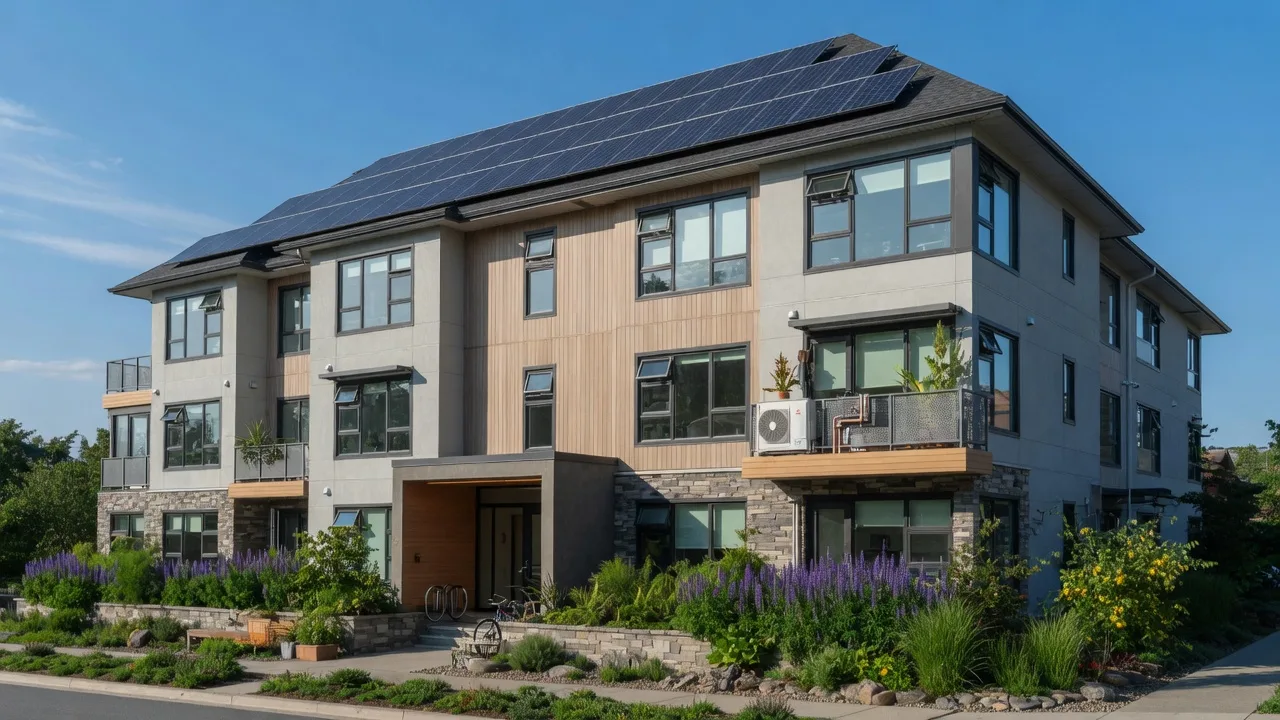
When homeowners in Greater Victoria start thinking about downsizing, the conversation usually turns to square footage, location, and price. Those factors matter, of course. But there is another benefit of moving to a smaller home that often goes overlooked until after the move: the dramatic reduction in energy costs and home maintenance that comes with a well-designed, energy-efficient property.
In a region where electricity rates have risen steadily and heating a large, older home can cost thousands of dollars each winter, the energy savings from downsizing are not just a nice bonus. They can meaningfully change your monthly budget and your environmental footprint. This article looks at what downsizers in Greater Victoria should know about home energy, from understanding your current home's consumption to choosing an energy-efficient next home.
The real cost of heating and powering a large Victoria home
Greater Victoria's climate is one of the mildest in Canada, but our heating season still stretches from October through April. A typical single-family home built before 2000 in Victoria, Saanich, or Oak Bay can easily consume $3,000 to $5,000 per year in combined electricity and gas costs. Homes with electric baseboard heating, common in older buildings and additions, often cost even more.
These costs are driven by several factors:
- Volume of space. A 2,500-square-foot home has roughly twice the air volume of a 1,200-square-foot condo. Heating all that space costs proportionally more.
- Heat loss. Older homes in Victoria often have single-pane windows, minimal attic insulation, and uninsulated crawl spaces or basements. Heat escapes, and the system works harder to maintain temperature.
- Multiple zones. Heating unused bedrooms, a formal living room, or a basement workshop that is rarely used adds expense without value.
- Inefficient systems. Furnaces and water heaters over 15 years old operate at significantly lower efficiency than modern units.
How a smaller home changes the equation
Moving from a 2,500-square-foot house to a 1,000- to 1,200-square-foot condo or townhome typically cuts your energy use by 40 to 60 percent. Here is why:
- Less space to heat, cool, and light means lower bills from day one
- Modern condos and townhomes are built to current energy codes with better insulation, double- or triple-glazed windows, and efficient heating systems
- Shared walls in multi-unit buildings reduce heat loss compared to a detached home exposed on all four sides
- Many newer buildings include heat pumps, which are two to three times more efficient than electric baseboard heating and also provide cooling in summer
Energy features to look for in your next home
If energy efficiency is a priority in your downsizing search, here are the specific features worth looking for when touring condos and townhomes in Greater Victoria:
Heat pumps
Heat pumps are one of the most significant energy investments a home can have. They use electricity to move heat rather than generate it, achieving efficiencies of 200 to 300 percent or more. In Victoria's mild climate, a modern heat pump can handle nearly all your heating and cooling needs. Many newer condos in Langford, the Westshore, and new developments in Saanich and Victoria include heat pumps as standard equipment.
If you are looking at an older building that still uses electric baseboard heating, a heat pump retrofit may be possible, though it requires strata approval and may involve installation costs of $8,000 to $15,000. For many downsizers, finding a building that already has heat pumps installed is the simpler and more cost-effective path.
Window quality
Windows are the single largest source of heat loss in most homes. Double-glazed windows with low-emissivity (low-E) coatings are standard in modern construction and make a significant difference in both comfort and energy costs. Triple-glazed windows offer even better performance, particularly for units facing north or exposed to wind.
When you tour a condo, pay attention to whether the windows are original or have been upgraded. Older aluminum-frame single-pane windows, common in buildings from the 1970s through 1990s, are a red flag for high heating costs. Upgrading windows in a strata building is a major project that requires building-wide approval and significant special levies.
In-suite vs. central heating systems
Some condo buildings use central heating systems with hot water or steam radiators, while others have individual in-suite systems. Central systems can be efficient but often give residents less control over their own temperature and may include heating costs in strata fees regardless of individual usage.
In-suite systems, whether electric baseboard, a ductless heat pump, or forced air, give you direct control and allow you to manage your usage. For downsizers who want predictability in their monthly costs, an in-suite heat pump with individual metering is usually the best option.
Building orientation and natural light
A south-facing unit in a well-designed building gets passive solar heating through its windows during winter months, reducing the need for mechanical heating. West-facing units can be prone to overheating in summer. When you visit a potential home, note the window orientation and think about how the sun moves across the space at different times of day and year.
In-suite laundry and appliances
Energy-efficient appliances matter. Look for ENERGY STAR certified refrigerators, dishwashers, washers, and dryers. In-suite laundry also saves you the cost and inconvenience of using shared or off-site laundry facilities. Modern front-loading washers use significantly less water and electricity than older models.
BC rebates and incentive programs
British Columbia and the federal government offer several incentive programs that can offset the cost of energy-efficient upgrades in your current home or help you choose an efficient next home:
- CleanBC Better Homes program offers rebates for heat pump installations, insulation upgrades, window replacements, and other energy improvements. Rebates can range from a few hundred to several thousand dollars depending on the measure.
- The Canada Greener Homes Grant provides funding for home energy evaluations and eligible retrofits. While the federal program has seen changes in recent years, BC's provincial programs remain active.
- BC Hydro's Energy Conservation Assistance Program provides income-qualified homeowners with free energy-saving upgrades including insulation, weatherstripping, and efficient lighting.
- Property Assessed Clean Energy (PACE) financing may be available through some municipalities in the Capital Regional District, allowing homeowners to finance energy upgrades through their property taxes.
If you are still in your current home and planning to sell within the next year, it is worth checking whether any energy upgrades you make would pay for themselves through a higher sale price. In many cases, energy-efficient features are a strong selling point for downsizer buyers, who are often particularly attuned to ongoing costs.
Strata energy considerations
If your downsizing move takes you into a strata building, understanding how energy costs are managed is important. Ask about:
- Whether electricity is individually metered or included in strata fees. Individually metered units give you control over your usage.
- Whether the building has undertaken energy studies or retrofits. Many older strata buildings in Victoria are considering or implementing energy upgrades to meet new provincial requirements.
- Whether the building has an EV charging plan. As electric vehicles become more common, having access to charging infrastructure is increasingly important for downsizers planning to stay in their home for the long term.
- Whether the building's common area lighting, heating, and ventilation systems are efficient. These costs are shared through strata fees, and inefficient common systems drive up everyone's monthly costs.
The environmental case for downsizing
Beyond the personal financial savings, downsizing to a smaller, more energy-efficient home is one of the most effective individual actions you can take to reduce your environmental footprint. Housing is a major source of greenhouse gas emissions, and smaller homes with efficient systems produce significantly fewer emissions.
For homeowners in Greater Victoria who care about sustainability, downsizing offers an opportunity to align your housing with your values. A smaller home in a walkable neighbourhood near transit, shops, and services reduces not just your home energy use but also your transportation emissions. Moving from a house in the suburbs to a condo in Cook Street Village or a townhome near Uptown can meaningfully reduce your car dependence.
A sample energy cost comparison
Here is an illustrative comparison of annual energy costs for a typical downsizer in Greater Victoria:
| Annual Energy Cost | Older 2,500 sq ft House | Newer 1,100 sq ft Condo |
|---|---|---|
| Heating | $1,800 - $3,200 | $400 - $800 |
| Hot water | $400 - $700 | $200 - $350 |
| Lighting and appliances | $600 - $1,000 | $350 - $600 |
| Water and sewer | $800 - $1,200 | $500 - $700 (incl. strata) |
| Estimated annual total | $3,600 - $6,100 | $1,450 - $2,450 |
The annual savings of $2,000 to $3,600 is significant on its own. Over ten years, that is $20,000 to $36,000 that stays in your pocket rather than going to your utility provider.
Note: These are illustrative estimates based on typical BC Hydro and FortisBC rate schedules. Your actual costs will vary based on your specific home, heating system, usage patterns, and the building's energy performance.
Questions to ask when touring a potential home
When you visit a condo or townhome as a potential downsizing destination, add these energy-related questions to your list:
- What is the heating system and when was it last serviced?
- Are the windows original or have they been upgraded?
- Is the electricity individually metered or included in strata fees?
- What is the building's energy performance rating, if available?
- What were the approximate utility bills for the unit over the past year?
- Are there any planned energy retrofit projects or special levies for building upgrades?
- Does the building have EV charging infrastructure or plans to install it?
- Is there in-suite laundry with energy-efficient appliances?
These questions help you build a complete picture of what it will actually cost to live in the home, beyond the purchase price and strata fees.
Frequently asked questions
Will I save money on utilities by moving from a house to a condo?
In almost all cases, yes. A smaller, more energy-efficient home with shared walls and modern systems will cost significantly less to heat, cool, and power. Most downsizers see their utility bills cut by 40 to 60 percent after moving. The exact savings depend on the age and efficiency of both your current home and your new home.
Are heat pumps worth it in Victoria's climate?
Yes. Greater Victoria's mild winter temperatures are ideal for heat pump efficiency. A modern heat pump can provide both heating and cooling, making it a year-round solution. Many newer condos and townhomes in Langford, Victoria, and Saanich include heat pumps as standard, and they are becoming increasingly common in building upgrades.
Should I get a home energy assessment before I downsize?
A pre-retrofit energy assessment of your current home can help you understand where energy is being wasted and whether any upgrades would pay off before you sell. A similar assessment of a potential new home can help you compare energy costs between properties. CleanBC offers rebates for energy assessments through registered energy advisors.
Do energy-efficient features increase a home's resale value?
Yes, increasingly so. Buyers are more aware of energy costs than ever before, and features like heat pumps, modern windows, and good insulation are attractive selling points. A BC Hydro study found that energy-efficient homes sell faster and at a premium compared to similar homes without efficiency features.
Can I install a heat pump in an older strata condo?
It depends on the building's bylaws and structural considerations. Some strata buildings allow heat pump installations with approval, while others have restrictions on exterior equipment. The growing trend in Victoria is for strata councils to develop heat pump policies as owners request them. If energy efficiency is a priority, look for a building that already permits or has installed heat pumps.
Looking for an energy-efficient next home?
I help Greater Victoria downsizers find homes that fit their lifestyle, budget, and values. Whether you are looking for a modern condo with a heat pump or a townhome in a walkable neighbourhood, I can help you find the right fit.
Let's Talk