Downsizing Heirlooms and Collectibles: Finding New Homes for Family Treasures

Andrew Holenchuk
Victoria Property Group · eXp Realty
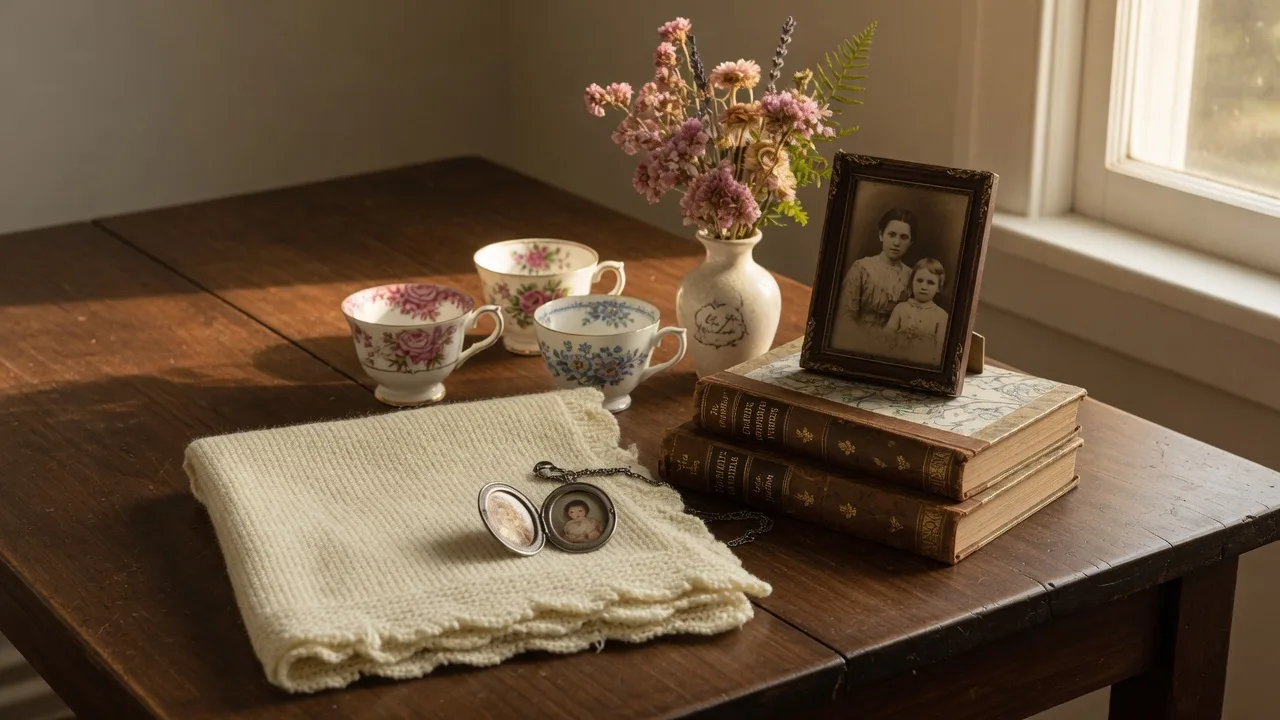
When you are downsizing to a smaller home in Greater Victoria, one of the most difficult decisions is what to do with the heirlooms, collectibles, and treasured objects that have been part of your family for generations. The china cabinet that held your grandmother's teacups. The coin collection your father started when you were a child. The art prints, the antique furniture, the vintage Christmas ornaments, the shelf of first-edition books.
These items carry memories, and letting them go can feel like losing a piece of your history. But here is a truth that many downsizers discover: finding a meaningful new home for a treasured object can feel even better than keeping it packed away in a box. The goal is not to discard your family's legacy. It is to ensure that the things you love continue to be loved, and that the space you move into truly works for the life you are living now.
This guide walks through the practical and emotional process of sorting through heirlooms and collectibles, from evaluating what is truly valuable to finding the right home for each item, whether that is with a family member, a collector, a museum, or a new owner who will treasure it as much as you have.
The first step: separate sentiment from value
Before you can decide what to do with anything, you need to understand what you are working with. Heirlooms and collectibles fall into three broad categories:
- High sentimental value, low or modest monetary value. This is the largest category. Your grandmother's hand-stitched quilt, your child's first pair of shoes, the family photo albums. These items are priceless to you but may have little market value.
- Moderate monetary value, moderate sentimental value. Antique furniture, silverware sets, vintage dishware, and collectible items that have some market worth but are not heirloom-quality investments.
- Significant monetary value. Fine art, jewellery, rare coins, valuable antiques, and other items that may be worth thousands of dollars. These require professional appraisal and careful handling.
Sorting your items into these categories helps you allocate your time and energy wisely. Most of your attention should go to the items that matter most emotionally and the items that are worth the most financially. For everything else, there are practical and efficient options.
The china cabinet dilemma: what to do with sets of fine dishware
Almost every downsizer I have worked with in Greater Victoria has faced the china cabinet question. The full set of fine bone china that was used for Christmas dinners and special occasions. The crystal stemware. The silver serving platters. These sets were often gifts or inheritances, and they carry deep family associations.
Here is a gentle reality: the generation that grew up with formal dining and fine china is retiring, and the generation that follows often has different tastes and lifestyles. Your adult children may not have the space, the interest, or the lifestyle to host formal dinners. That does not mean the china is worthless. It means it needs a new purpose.
Options for fine dishware:
- Ask family members directly. Before assuming no one wants it, ask. One daughter may cherish the teacups even if she does not want the full dinner set. Let each person choose what they truly value.
- Keep a few key pieces. A single teacup and saucer displayed on a shelf, or a serving platter used as a wall decoration, can carry the same memories as the full set in a fraction of the space.
- Consign or sell through a specialized dealer. Victoria has antique dealers and consignment shops that handle fine china. Brands like Royal Doulton, Wedgwood, Noritake, and Spode have active collector markets.
- Donate to a charitable organization. Some charities accept fine china for fundraising auctions or for use in their own events. The Victoria Hospice Thrift Store and other local charities may welcome high-quality donations.
- List on online marketplaces. Facebook Marketplace, Kijiji, and eBay can connect you with buyers who specifically collect your pattern. This takes more effort but can yield better prices.
What to do with antique furniture when your new home is smaller
The solid oak dining table that seats ten. The heavy mahogany buffet. The wingback chair that has been reupholstered three times. Antique furniture was built for larger homes, and it rarely fits into a downsized condo or townhome.
Before you decide to part with a piece, consider whether it could work in a smaller space:
- Can it be repurposed? A vintage dresser can become a media console. A small writing desk can serve as a dining table for two. An antique trunk can be a coffee table with storage.
- Can it be passed down now, rather than later? If a family member admires the piece, offering it to them now lets you enjoy seeing it in their home rather than storing it.
- Can it be sold to fund something for your new home? The proceeds from selling a large antique dining set could pay for a beautiful new smaller table and chairs that fit your new space perfectly.
- Can it go to a museum or heritage organization? If the piece has genuine historical significance, the Royal BC Museum or the Art Gallery of Greater Victoria may have interest, or they can direct you to a more specialized collection.
Collectibles: coins, stamps, dolls, figurines, and more
Collectibles are unique because their value is often well-known to the collector but opaque to everyone else. A coin collection may be worth very little or a great deal, depending on the specific coins, their condition, and the current market. The same is true for stamps, sports memorabilia, comic books, vintage toys, and most other collectibles.
Here is a practical approach:
- Get a professional appraisal for anything you suspect is valuable. Look for appraisers who specialize in the specific type of collectible. The Appraisal Institute of Canada has a directory of qualified appraisers, and many in Greater Victoria specialize in antiques and collectibles.
- Understand that the market for collectibles has changed. Many collectibles that were highly valued in the 1980s and 1990s have declined in value. Be prepared for realistic valuations.
- Consider selling through specialized auction houses. For valuable collections, a specialized auction can reach the right buyers. Lunds Auctioneers & Appraisers in Victoria and other local auction houses handle estate collections regularly.
- Group items for estate sales. An estate sale company can handle the sale of a large collection as part of a broader downsizing or estate sale, taking the burden off you.
- Give duplicates or lower-value items to children or grandchildren. Even if a collection is not worth much money, it can be a meaningful gift to a younger family member who shares your interest.
Family photographs and albums: preserving memories without the boxes
Photographs are perhaps the most emotionally charged category of all. Decades of family photos, albums, slides, and negatives take up significant physical space, and the thought of discarding any of them can feel like erasing memories.
The modern solution is digitization. Greater Victoria has several services that can scan photographs, slides, and negatives at high resolution. Once digitized, you can:
- Create a digital photo album that everyone in the family can access and enjoy.
- Share copies with siblings, children, and extended family members.
- Keep a small physical album of your absolute favourite images, which takes up a fraction of the space of a closet full of boxes.
- Dispose of the originals responsibly once they are digitized and backed up. Many people choose to keep a small number of original prints and recycle the rest.
The key is to start this process early. Digitizing decades of photographs takes time, and it is not a task you want to rush through during the final weeks before a move.
Local resources in Greater Victoria for heirlooms and collectibles
Greater Victoria has a strong network of services that can help you find new homes for your treasured items:
- Lunds Auctioneers & Appraisers in Victoria handles estate auctions, including fine art, antiques, and collectibles.
- Habitat for Humanity Victoria ReStore accepts furniture, building materials, and home goods in good condition, with proceeds supporting affordable housing.
- Victoria Hospice Thrift Store accepts high-quality donations, including antiques and collectibles, with proceeds supporting palliative care.
- WIN (Women in Need) Thrift Store accepts donations of furniture, clothing, and household items.
- Cool Aid Society accepts furniture and household goods to support their work helping people experiencing homelessness.
- Local Facebook groups like "Buy Nothing Victoria" can help you find neighbours who will treasure specific items.
For items with significant value, specialized dealers in Victoria include antique shops on Fort Street, antique malls, and art galleries that handle consignment sales.
The emotional side: letting go with grace
The hardest part of downsizing heirlooms is not the logistics. It is the feeling that you are betraying the people who gave you these things. You may worry that your grandmother would be sad to see her china sold, or that your father would be disappointed if you did not keep his coin collection.
Here is a more compassionate way to think about it: the people who gave you these items gave them to you because they loved you. They wanted you to have something beautiful and meaningful. They did not give them to you as a burden. Honouring their memory does not require keeping every object. It means carrying forward the values, the love, and the memories that the objects represent.
Some practical ways to honour the giver while letting go of the object:
- Take a photograph of the item before you part with it, and keep it in a digital album.
- Write down the story behind the item. Who gave it to you, when, and what it meant to them. Keep these stories in a journal or digital file.
- Choose one or two items from each family member to keep and display, rather than trying to keep everything.
- Say a goodbye to the item. Acknowledging that it served its purpose and is now ready for a new chapter can be surprisingly healing.
A note on estate sales and professional help
If the volume of heirlooms and collectibles in your home is overwhelming, consider hiring an estate sale company. These professionals handle the entire process: sorting, pricing, displaying, and selling items, either through an estate sale or through consignment. They take a percentage of the proceeds, and for many families, the reduced stress is well worth the cost.
In Greater Victoria, several estate sale companies specialize in working with downsizers and families navigating estate transitions. They can help you identify which items have real value, handle the sale logistics, and ensure that items that do not sell are donated responsibly.
Frequently asked questions
How do I know if my heirlooms are actually valuable?
The best way to determine value is a professional appraisal. Look for an appraiser who is accredited by the Appraisal Institute of Canada and specializes in your type of item. Many appraisers in Greater Victoria offer in-home visits for estate evaluations. Be aware that some items you assume are valuable may be worth less than expected, and some items you consider ordinary may surprise you.
What if no one in my family wants the heirlooms?
This is more common than people think, and it is not a reflection on the value of the items or your family relationships. Tastes change, and younger generations often have different priorities. If family members do not want the items, consider selling them, donating them to a charity where they will be appreciated, or offering them to a museum or historical society if they have cultural significance.
Should I sell my collectibles myself or use an auction house?
It depends on the value and volume. For a few high-value items, selling through a specialized auction house or dealer can reach the right buyers. For a large collection of lower-value items, an estate sale or consignment shop may be more practical. For items worth under $100 each, selling through Facebook Marketplace or Kijiji is often the most efficient approach, though it requires more time and effort.
How do I find a reputable estate sale company in Victoria?
Ask for referrals from friends, family, or a trusted REALTOR. Look for companies with positive reviews and a track record of handling downsizing and estate sales. A good estate sale company will be transparent about their fees, provide a clear contract, and handle the entire process from sorting to cleanup.
What if I am not ready to part with certain items yet?
That is perfectly okay. You do not have to decide everything at once. Consider storing items you are not ready to part with in a small storage unit, or give yourself permission to keep them in your new home for a transitional period. Often, the decision becomes clearer after you have lived in your smaller space for a few months and can see what truly fits.
Navigating heirlooms and collectibles during your downsizing transition?
I can connect you with trusted local appraisers, estate sale companies, and moving specialists who understand the sensitivity of this process. You do not have to figure it out alone.
Let's Talk