
Decluttering Before You Downsize: A Room-by-Room Guide

Andrew Holenchuk
Victoria Property Group · eXp Realty
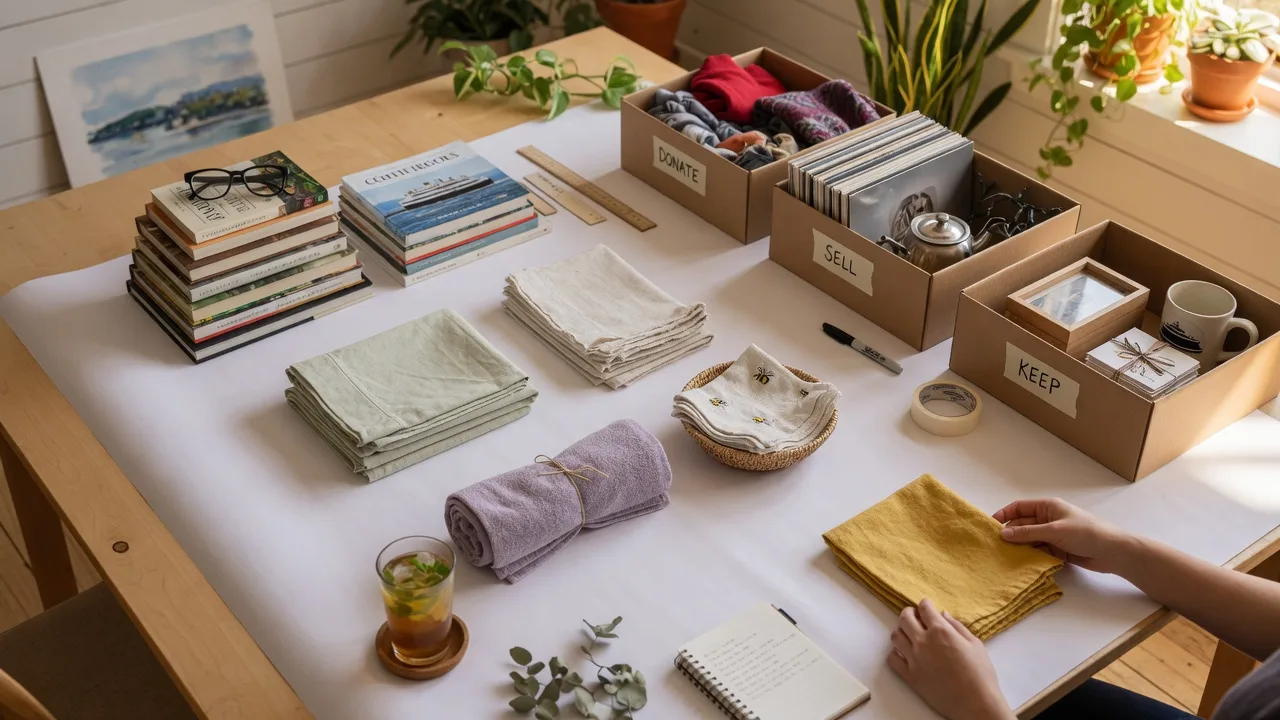
Decluttering is the most important — and often the most emotional — step in the downsizing process. It's where "I should really start thinking about this" becomes "I'm actually doing this." The challenge isn't usually knowing what to do; it's figuring out where to start, how to manage the emotions, and how to make consistent progress without burning out.
This room-by-room guide gives you a practical framework you can follow at your own pace, whether you have 6 months or a year to prepare.
Before you start: set up your system
Before diving into any room, set up a sorting system with four categories:
- Keep: Items that are going with you to your new home. Be realistic about space — you're moving to a smaller place.
- Sell: Valuable items you can sell through consignment, online marketplaces, or an estate sale.
- Donate: Good-condition items that can be given to charity. Victoria has excellent donation centres.
- Discard: Broken, expired, or unusable items that need to be thrown out or recycled.
Label boxes clearly and work one room at a time. Don't mix categories between rooms — it creates confusion and stalls progress.
Start with the easiest rooms
Counter-intuitively, don't start with the most sentimental room (that's usually the bedroom or family room). Begin with spaces where decisions are easier:
- Laundry room: Expired cleaning supplies, old rags, broken hangers — quick wins build momentum.
- Bathrooms: Expired medications, old toiletries, duplicate products. Most people have far more than they need.
- Pantry and kitchen: Expired food, duplicate gadgets, specialty items you haven't used in years.
The kitchen: where most people have too much
The kitchen is often the biggest surprise. Ask yourself honestly: how many spatulas do you need? When downsizing, plan for your new kitchen's actual dimensions and storage capacity. Key considerations:
- Keep daily-use items and your favourite specialty pieces
- Donate duplicate utensils, mismatched dishes, and appliances you rarely use
- Check if your new kitchen includes appliances — you may not need to bring everything
- Pots and pans: a quality set of 3–4 pieces handles most cooking
Living and family rooms
These rooms hold the most sentimental weight. Photos, art, collections, children's artwork — these items are emotionally significant. Here's how to approach them:
- Photos: Digitize them. Scan or photograph important pictures and create a digital album. You'll enjoy them more and take up zero space.
- Art and wall hangings: Choose your absolute favourites that suit your new space. Offer pieces to family members who love them.
- Collections: Display your best pieces in your new home; offer the rest to family or sell them.
- Furniture: Measure your new space before deciding what to keep. A couch that fits perfectly in a 300 sq ft living room may be all you need.
Bedrooms and closets
Most people wear 20% of their clothing 80% of the time. When downsizing your wardrobe:
- Keep clothes that fit well, are in good condition, and that you've worn in the past year
- Donate professional attire to organizations like Dress for Success Victoria
- Consider your new climate and lifestyle — a condo-dweller may not need as many heavy outdoor layers
- Spare bedrooms may become offices, hobby rooms, or guest spaces — plan furniture accordingly
The garage and outdoor spaces
Garages and sheds often become storage for items we've forgotten about. This is where some of the best decluttering wins happen:
- Old paint cans, expired chemicals, and broken tools: dispose of these properly through BC's household hazardous waste programs
- Patio furniture: measure your new outdoor space before keeping everything
- Power tools: if you're moving to a condo, you won't need most of them
- Seasonal decorations: keep your favourites, donate the rest
The basement and storage areas
The basement is often the last frontier. Items stored here are often there because you haven't decided what to do with them. Set a firm deadline and make those decisions. If something has been in a box in your basement for five years without being opened, you probably don't need it.
Where to donate in Greater Victoria
- Value Village — multiple locations, accepts clothing, household items, books
- Salvation Army Thrift Store — furniture, clothing, household goods
- Victoria Cool Aid Society — accepts household items and furniture
- Habitat for Humanity ReStore — building materials, furniture, appliances
- Mustard Seed Street Market — clothing and household essentials
Common decluttering mistakes to avoid
- Trying to do it all at once. Pace yourself. Working on one room per week prevents burnout.
- Starting with the hardest room. Build momentum with easy wins first.
- Keeping things "just in case." If you haven't used it in two years, you won't miss it.
- Ignoring the emotional component. Give yourself permission to feel nostalgic, then take a photo and let the object go.
- Not measuring your new space. Nothing stings more than hauling a beloved piece of furniture to your new home only to find it doesn't fit.
Need help with the decluttering process?
I help families across Greater Victoria navigate the entire downsizing journey — including connecting you with local decluttering professionals and resources.
Let's Talk