
Buying a Pre-Sale or New-Build Condo When Downsizing: What Greater Victoria Buyers Should Know

Andrew Holenchuk
Victoria Property Group · eXp Realty
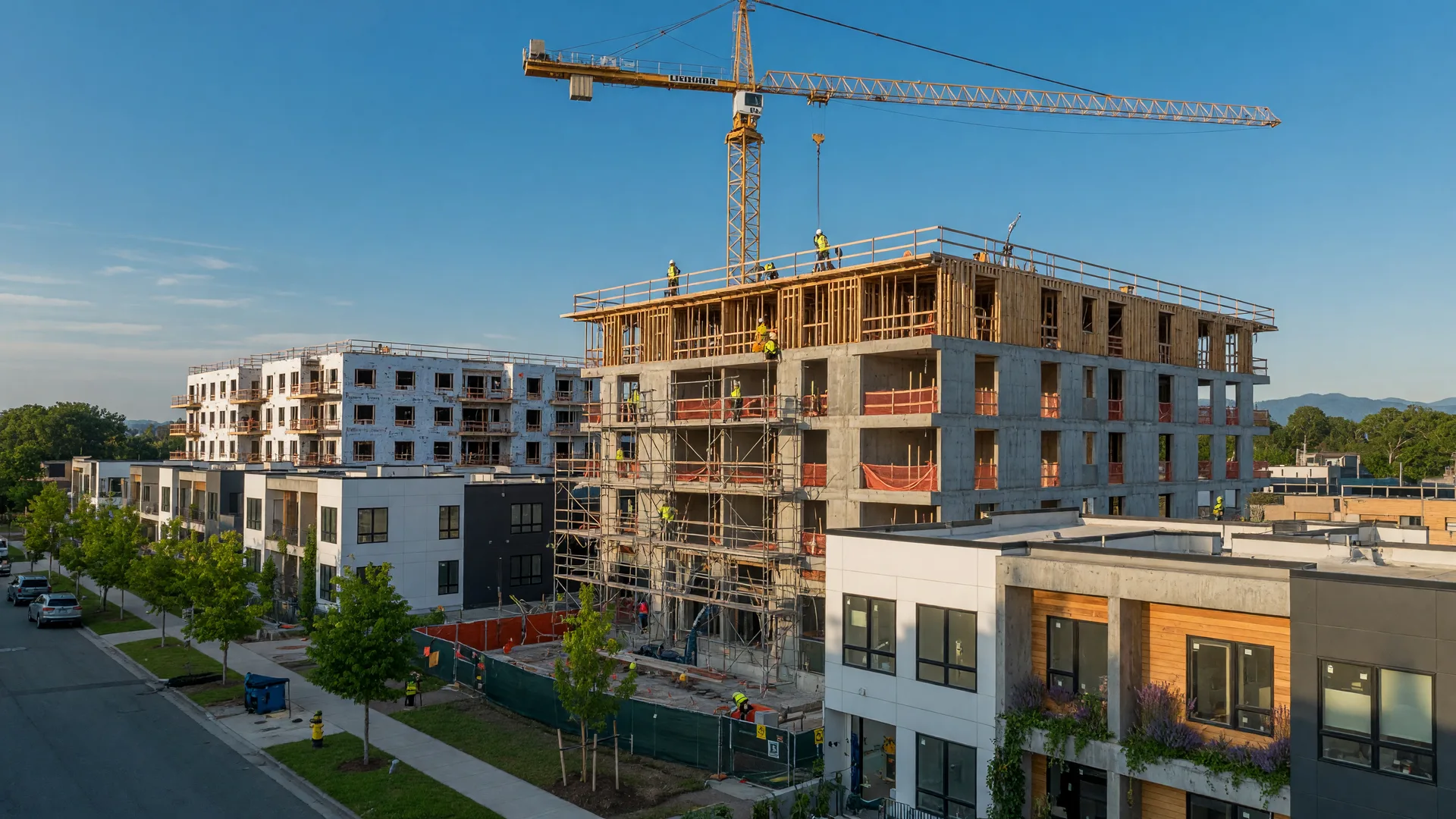
For many downsizers in Greater Victoria, a brand-new condo is an appealing option: no deferred maintenance, modern accessibility, and the chance to start fresh in a space built for how you want to live now. But buying a pre-sale unit is different from buying a resale home. You are committing to a property years before it is built, with deposits, timelines, and rules that deserve careful understanding before you sign. This guide walks through how pre-sale purchases work in British Columbia and what to weigh as part of a housing transition.
Pre-sale details change, so always review the developer's disclosure statement and confirm current rules with your lawyer, notary, or REALTOR before you commit.
What a pre-sale purchase actually is
A pre-sale is a purchase agreement you sign with a developer before the building is complete. You are agreeing today to buy a specific unit at a set price, and you take title and pay the balance when the project reaches completion. In Greater Victoria, that completion is typically three to five years from the date of purchase, and it is an estimate, as construction timelines can shift.
The appeal for downsizers is often the ability to lock in today's price and spread deposits over the construction period rather than needing the full down payment all at once. The trade-off is patience, uncertainty about the finished product, and the fact that you cannot move in right away.
How deposits work
Deposits on pre-sale condos are typically in the range of 10 to 20 percent of the purchase price, and they are usually paid in installments staged over the construction period. A common pattern is an initial payment on signing followed by further installments over the following 12 to 18 months. Your deposits are held in trust, often in the developer's lawyer's or brokerage's trust account, rather than spent by the developer, which helps protect your money if the project does not complete.
British Columbia also gives buyers a statutory rescission period, commonly seven days, to review the developer's disclosure statement and change your mind before the agreement becomes binding. That window exists precisely so you can read the documents properly with professional help.
The timeline you are signing up for
If your plan is to sell your family home and move directly into a new build, the timing gap can be significant. Because completion is often three to five years out, a pre-sale rarely works as a direct swap. Downsizers commonly pair it with a plan for the years in between, such as renting, moving in with family, or buying a resale first and selling the pre-sale later.
Think about whether you want to wait that long, and whether the price you lock in today will still make sense for your life in five years. For many people downsizing later in life, the wait itself is a real cost to weigh against the appeal of a brand-new home.
What happens if you want to sell the contract before completion
Selling a pre-sale contract before the building is complete is called an assignment. It is possible, but it is not automatic. You generally need the developer's written consent, and developers can refuse for any reason. There are usually assignment fees, often in the range of 1 to 3 percent of the original purchase price, plus an administration fee and GST.
There are also tax considerations. Assignments of pre-sale condos in British Columbia are reported through the Condo and Strata Assignment Integrity Register, and BC's home flipping tax has applied to certain assignment gains since January 2025. Because the rules are specific and changing, anyone considering an assignment should get professional advice before agreeing to one.
Property transfer tax on a new build
When you complete your purchase, you will generally pay BC property transfer tax, calculated on the total amount you pay for the home. For a newly built home that you use as your principal residence, the Newly Built Home Exemption may reduce or waive some of that tax, depending on the home's value and your circumstances. The rules are detailed, so it is worth confirming the exemption with your lawyer, notary, or tax professional rather than assuming it applies.
The things you cannot fully know yet
- Strata fees. Your future monthly strata fees are estimates at the pre-sale stage, and they can change before and after you move in.
- Depreciation reports and contingency funds. The financial health of the strata is not fully established until owners take over, so the long-term picture is uncertain.
- The finished finishings. You choose some upgrades, but the final quality of construction and finishes can vary from the show suite.
- Financing. Your financing will need to be re-confirmed closer to completion, and interest rates years from now are unknown.
Questions to ask before you sign
- What is the developer's track record for completing projects on time in Greater Victoria?
- Exactly how are my deposits structured, and where are they held in trust?
- What is the estimated completion date, and how are delays handled?
- What happens to my deposit if the project does not complete?
- Can I assign the contract later, and what are the fees and conditions?
- What are the estimated strata fees, and what do they cover?
- Does the Newly Built Home Exemption apply to my purchase?
A good REALTOR who works with pre-sale buyers can help you read the disclosure statement, compare developments, and understand how a new build fits into the timing of selling your current home.
Frequently asked questions
Can I move into a pre-sale condo right after selling my family home?
Usually not. Pre-sale condos typically complete three to five years after purchase. If your move is sooner, you will need a plan for the years in between, such as renting or buying a resale home first.
How much deposit do I need for a pre-sale in Victoria?
Deposits are commonly 10 to 20 percent of the purchase price, paid in installments over the construction period rather than all at once. Your deposit is generally held in trust.
What happens to my deposit if the building never completes?
Because deposits are held in trust, the arrangement is designed to protect buyers, but outcomes depend on the specific contract and circumstances. Review the disclosure statement and get legal advice to understand your protection before signing.
Is buying pre-sale cheaper than buying a resale condo?
Not necessarily. You lock in a price today, which can be an advantage, but you also wait years and accept uncertainty about strata fees, construction quality, and financing. Compare the total picture rather than just the sticker price.
Compare your options with someone who knows both sides.
I have guided Greater Victoria downsizers through new-build and resale decisions, including the timing between selling and moving. If you are weighing a pre-sale, I am happy to walk through it with you.
Reach Out AnytimeThis article is for general information only and is not legal or tax advice. Confirm all details with your lawyer, notary, and tax professional.