
What to Look for When Buying Your Next Home After Downsizing in Victoria

Andrew Holenchuk
Victoria Property Group · eXp Realty
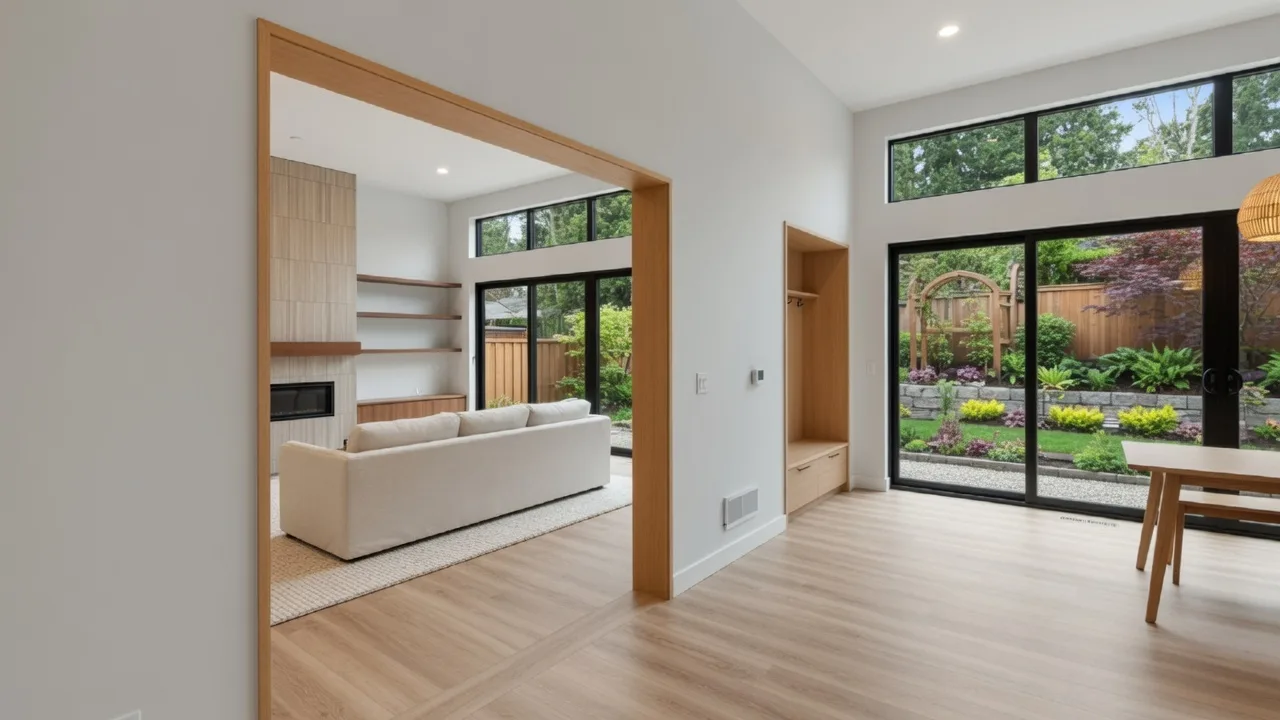
Selling your current home is only half the housing transition. The other half — finding and buying the right next home — is where many downsizers in Greater Victoria get stuck. After decades in a familiar house, the search for a new place can feel overwhelming. The options are different, the decision-making criteria have changed, and the stakes feel high because this needs to be the home that works for the next 10, 20, or 30 years.
This guide focuses on the buying side of a housing transition. It covers the practical features, neighbourhood factors, and financial considerations that matter most when you're choosing a home you plan to live in well into retirement. Whether you're looking at a condo in Victoria, a townhome in Langford, or a bungalow in Sidney, these are the questions worth asking before you commit.
Start with how you actually live
Before you start browsing listings, take an honest inventory of your daily life. Not the life you had five years ago with kids at home and a yard to maintain — the life you have now and the one you want for the next decade.
Consider these questions:
- Which rooms do you use every day? Most people in a two-person or one-person household spend the majority of their time in the kitchen, living room, primary bedroom, and one bathroom. Guest bedrooms and formal dining rooms may feel essential but often go unused for months.
- What activities matter to you? Do you garden, paint, woodwork, exercise at home, or work from a home office? Your new home needs to accommodate what you actually do, not what a traditional floor plan assumes you need.
- How often do you have guests? If grandchildren, adult children, or friends stay regularly, a guest room or convertible space is important. If visits are occasional, a well-located pullout couch or nearby hotel may be more practical than dedicating a permanent room.
- What's your outdoor tolerance? Some downsizers want a garden and outdoor space. Others are thrilled to never mow a lawn again. Know which camp you're in before you start looking.
Single-level living: why it matters more than you think
One of the most important features to prioritize — even if you don't think you need it today — is single-level living. Stairs become a significant issue for many people in their late 60s, 70s, and beyond. Even if you're fit and mobile now, a home that requires navigating stairs multiple times a day may become a limitation sooner than expected.
What to look for:
- A main-floor primary bedroom. This is the single most important feature for aging in place. If the bedroom and a full bathroom are on the same level as the kitchen and living room, you can live comfortably even if stairs become difficult.
- Single-level condos and townhomes. In Greater Victoria, many newer condo and townhome developments offer elevator access or single-story floor plans that eliminate stairs entirely.
- Bungalows and ranchers. If a detached home is what you want, prioritize single-storey properties. In areas like Saanich, Sidney, and the Westshore, bungalows are available and highly sought after — they sell quickly and hold their value.
- Raised ranchers with potential. Some older Victoria homes are raised ranchers with a lower level that could be finished as a future living space, hobby room, or in-law suite. These offer flexibility for evolving needs.
Even if you don't need single-level living right now, buying a home that has it protects you from needing to move again in 10 or 15 years. One thoughtful move now can be the last move you ever need to make.
Accessibility features that make a real difference
Beyond stairs, there are specific accessibility features that significantly impact livability as you age. Some are standard in newer construction; others may need to be added after purchase.
- Wider doorways (32 inches minimum, 36 inches preferred). Standard doorways are often 30 inches — just wide enough for a walker but tight for a wheelchair. Wider doorways are a simple feature that makes a home far more adaptable.
- Step-free entry. A zero-step entry from the parking area or street into the home eliminates one of the most common fall hazards. Many newer condos and townhomes in Greater Victoria offer this as standard.
- A walk-in or curbless shower. The bathtub is one of the first things that becomes difficult for aging homeowners. A walk-in shower with a bench and grab bars is far safer and more practical. If the home doesn't have one, it can often be added during a bathroom renovation.
- Lever door handles and rocker light switches. Small details that make a big difference when grip strength or dexterity changes. These are easy and inexpensive to install if they're not already present.
- Good lighting throughout. Bright, even lighting — especially in hallways, bathrooms, and stairways — reduces fall risk dramatically. Look for homes with ample overhead lighting and the ability to add task lighting where needed.
- Hardwood or laminate flooring. Smooth, firm flooring is safer and easier to navigate than thick carpet, which can be a tripping hazard and difficult for mobility devices.
Location: the non-negotiable that changes everything
When you've lived in one house for decades, the location is often the thing you'll miss most. You may not be able to replicate your exact neighbourhood, but you can prioritize what matters about it.
For most downsizers, the top location priorities are:
Walkability and transit access
As you age, the ability to walk to a coffee shop, pharmacy, grocery store, or medical appointment becomes increasingly valuable. It reduces dependence on driving, supports physical activity, and combats isolation. In Greater Victoria, the most walkable communities include:
- Victoria's core (downtown, Fairfield, James Bay): Highly walkable with excellent transit, shops, restaurants, and healthcare within easy reach.
- Oak Bay: A village-like atmosphere with walkable shops, a library, and medical offices. Popular with retirees for its quiet, established character.
- Sidney: A small-town feel with a walkable downtown, the Sidney pier, medical services, and a strong sense of community. Very popular with retirees.
- View Royal: Walkable to the Royal Jubilee Hospital and Thetis Lake, with a growing selection of condos and townhomes.
Proximity to healthcare
Access to medical care is a top priority for most downsizers. Victoria has several major medical facilities — Victoria General Hospital, Royal Jubilee Hospital, and numerous medical clinics throughout the region. Proximity to your doctor, specialists, and a hospital emergency department provides both practical convenience and peace of mind.
Proximity to family
Many downsizers want to be closer to children, grandchildren, or other family members. If family is a priority, factor their location into your search. A 15-minute drive is very different from a 45-minute drive when you're planning regular visits.
Community feel and social connection
Isolation is one of the greatest risks for retirees, and it often worsens after a move. Look for communities where you can naturally connect with others — through neighbourhood walks, community centres, recreation programs, religious organizations, or local interest groups. Victoria, Saanich, Oak Bay, and Sidney all have active seniors' centres and community programming.
Understanding strata: what you need to know before you buy
Many downsizers move from a detached home into a strata property — a condo, townhome, or duplex in a managed community. This is a significant lifestyle change, and understanding strata living before you buy will save you from surprises.
Strata fees: what they cover and what they don't
Strata fees are monthly payments that cover shared expenses — exterior maintenance, landscaping, building insurance, common area upkeep, and sometimes utilities. In Greater Victoria, typical strata fees range from $250–$600 per month for a modest condo, and $500–$1,000+ for larger buildings with extensive amenities.
What strata fees generally do not cover: interior maintenance and repairs in your unit (appliances, plumbing within your walls, flooring, paint). You're still responsible for your own unit's upkeep.
The strata depreciation report
Every strata corporation in BC is required to have a depreciation report — a professional assessment of the building's current condition and projected maintenance needs over 30 years. This is one of the most important documents you'll review as a buyer. It tells you whether the building is financially healthy or facing significant upcoming expenses (new roof, elevator replacement, exterior repairs) that could lead to special levies.
A healthy depreciation report shows:
- Adequate contingency reserve fund (CRF) relative to the building's age and size
- No major capital expenses expected in the near term
- Regular maintenance being performed on schedule
- No history of large special levies
Strata bylaws: know the rules before you buy
Strata properties operate under bylaws that govern everything from pet ownership to noise levels to rental restrictions. Before purchasing, review the bylaws to make sure they align with your lifestyle. Common restrictions include:
- Pet size and number limits
- Short-term rental restrictions (Airbnb may not be allowed)
- Noise quiet hours
- Renovation and modification rules (you may need strata approval for bathroom upgrades)
- Storage and parking assignments
Future-proofing: buying for where you'll be in 10 years
The home you buy today needs to work not just for your current lifestyle but for the one you're likely to have in a decade. This is the difference between buying a home and making a strategic housing decision.
Future-proofing considerations:
- Location adaptability: Is the neighbourhood likely to improve or decline? Are there development plans that will affect your quality of life? A neighbourhood that's adding amenities, transit, and services is a better long-term bet.
- Building financial health: A strata with a strong reserve fund, no upcoming major expenses, and reasonable fees is far less likely to surprise you with a costly special levy. Ask for the last three years of financial statements and meeting minutes.
- Transportation access: Even if you drive now, plan for the possibility that you may not always. Proximity to transit, walkable amenities, and ride-sharing services becomes increasingly important.
- Healthcare proximity: Living 10 minutes from a hospital is very different from living 40 minutes away. Prioritize access to medical services.
- Guest accommodation: If having family visit is important, look for homes with a guest bedroom, a den that converts, or a Murphy bed setup. Some condos offer guest suites that can be booked by residents.
- Storage: Downsizing doesn't mean getting rid of everything. Look for homes with adequate storage — closet space, a storage locker, garage, or basement — for the things you're keeping.
A neighbourhood snapshot: where to start looking
Greater Victoria offers a wide range of options for downsizers. Here's a quick guide to communities that are particularly well-suited for the transition:
- Victoria (downtown, Fairfield, James Bay): Best for walkability, urban lifestyle, and staying connected to the heart of the city. Condo options range from older, affordable buildings to luxury waterfront developments. Condo prices typically range from $400,000 to $1.5 million+.
- Oak Bay: Best for a village atmosphere, established character, and quiet residential living. Limited condo inventory but a strong sense of community. Prices tend to be higher due to demand.
- Saanich (Gordon Head, Royal Oak, Broadmead): Best for balance — proximity to Victoria, access to UVic amenities, a mix of condo and townhome options, and good healthcare access. Moderate price points.
- View Royal: Best for proximity to Royal Jubilee Hospital and Thetis Lake, with a growing selection of newer condo and townhome developments. Good value compared to Victoria proper.
- Langford and Colwood: Best for newer construction, modern amenities, and affordable price points. Rapidly growing communities with improving infrastructure. Popular with downsizers who want move-in-ready homes.
- Sidney: Best for a small-town lifestyle, walkability, and access to the ferry terminal and Gulf Islands. Strong retirement community with excellent medical services. A popular choice for those moving from the mainland.
- North Saanich and Central Saanich: Best for rural settings, larger lots, and proximity to the Peninsula. More space and quieter living, with a 20–30 minute drive to Victoria.
The inspection: even new homes need scrutiny
Whether you're buying a 40-year-old condo or a brand-new townhome, a professional inspection is essential. For strata properties, your own inspection covers the interior of the unit. The depreciation report and strata documents cover the building as a whole. Both are important.
Pay particular attention to:
- Water damage: Stains on ceilings, musty smells, or warped flooring can indicate hidden leaks — a common issue in older buildings.
- Plumbing and electrical: Older buildings may have original plumbing (galvanized pipes) or outdated electrical panels. These are expensive to replace and can affect insurance.
- Windows and insulation: In Victoria's mild but wet climate, energy-efficient windows and good insulation make a significant difference in comfort and utility costs.
- HVAC systems: Heat pumps are increasingly standard in newer buildings and offer efficient heating and cooling. Older buildings may rely on baseboard electric heat, which is less efficient and more expensive.
Frequently asked questions
Should I buy first or sell first?
This depends on your financial situation and risk tolerance. Selling first gives you certainty about your budget and avoids carrying two properties. Buying first gives you more time to find the right home but means you may need to carry two mortgages or bridge financing. Many downsizers in Victoria sell first with a longer closing period (3–4 months), giving themselves time to find the right next home without financial pressure.
How much should I spend on my next home?
A common guideline is to purchase a home that costs 60–70% of your current home's sale price, keeping the remaining equity as a financial cushion. But the right number depends on your specific situation — your other income sources, investment portfolio, healthcare needs, and lifestyle goals. A financial planner can help you model different scenarios.
What red flags should I watch for in strata documents?
Key red flags include: an underfunded contingency reserve fund (less than 10–15% of the annual budget for an older building), recent or pending special levies, deferred maintenance visible in the building, bylaws that seem overly restrictive or poorly enforced, and a history of disputes or litigation. Review the strata meeting minutes for the past two years — they reveal the real culture and condition of the building.
Is it worth buying a home that needs renovations?
It can be, if the renovations are manageable and the location and layout are right. A dated home in a great location can be updated cost-effectively over time. But be realistic about the scope: renovating while living in the space is disruptive, and contractor costs in Greater Victoria are significant. If you're choosing between a move-in-ready home at a higher price and a fixer-upper at a lower price, factor in the true cost of renovations — including your time, stress, and temporary housing.
Can I negotiate strata fees?
No — strata fees are set by the strata corporation and apply equally to all unit owners. However, you can choose a building where fees are reasonable relative to the services provided. Compare fees across similar buildings and look at what's included. A building with higher fees that cover heat, water, and cable may actually be cheaper overall than one with lower fees but separate utility costs.
How do I know if a strata building is financially healthy?
Request the depreciation report, the last two years of financial statements, and the current year's budget. Check the contingency reserve fund balance relative to the building's age and size. Review meeting minutes for discussions about maintenance, special levies, or disputes. A healthy building has a well-funded reserve, regular maintenance, and engaged owners. Your REALTOR® and lawyer can help you interpret these documents.
Ready to find the home that fits?
I've helped hundreds of Greater Victoria homeowners find their ideal next home — one that fits their life today and for the years ahead. Whether you know exactly what you want or you're just beginning to explore, I'd be honoured to help you find the right fit.
Start Your Search